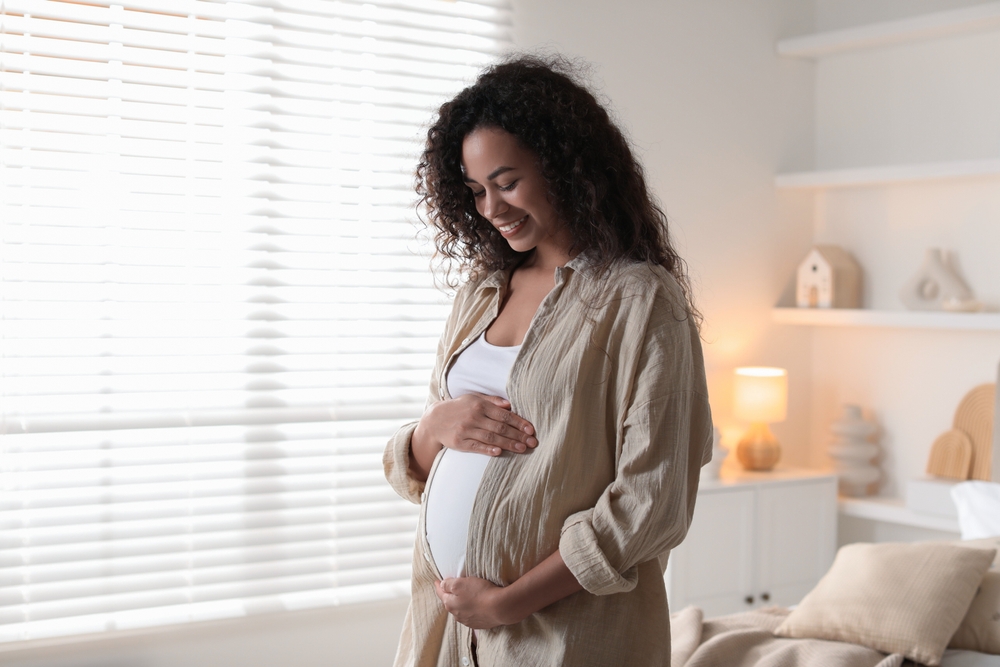
Getting pregnant after 35 is a reality that an increasing number of women are navigating, and the emotional and physiological complexity of that journey deserves honest and informed attention. Getting pregnant after 35 involves a real and well-documented fertility decline, and that decline accelerates in the mid-to-late thirties in ways that are biological rather than arbitrary. But age is one factor among several, and understanding the full picture gives women and their partners far more agency than the statistics alone might suggest.
The fundamental difference between female and male fertility aging is that women are born with all the eggs they will ever have. Unlike sperm, which the male body continues to produce throughout life, the egg supply is fixed at birth and diminishes in both quantity and quality with every passing decade. By the late thirties that decline becomes pronounced, affecting not only the likelihood of conception but also the risk of chromosomal abnormalities and pregnancy loss. That biological reality is the core reason that fertility specialists recommend earlier evaluation for women over 35 who have been trying to conceive without success.
What age does to fertility and why getting pregnant after 35 becomes harder
Conception requires a precise sequence of events. An egg must be released from an ovary, travel into a fallopian tube, encounter viable sperm, be fertilized, and then implant successfully in the uterine wall. At each of these steps, age introduces variables that reduce the probability of success.
Getting pregnant after 35 means working within a narrowing biological window. In the twenties and early thirties, roughly one in four menstrual cycles results in pregnancy for fertile couples trying to conceive. By age 40 that figure drops significantly, and by the late forties the probability per cycle is in the low single digits. Menopause, which typically arrives in the early fifties, marks the point at which the menstrual cycle stops permanently and pregnancy is no longer possible without assisted reproduction using donor eggs.
Male fertility also declines with age, though the trajectory is less predictable and less dramatic than the female pattern. Age-related changes in sperm quality, including shape, motility, and chromosomal integrity, begin to emerge for many men in their mid-to-late forties, carrying implications not only for conception rates but also for the developmental health of offspring.
The lifestyle and medical factors that compound age-related fertility decline
While age cannot be changed, several other factors that influence fertility can be addressed directly, and doing so can meaningfully improve the odds of conception even in the later reproductive years.
Body weight is one of the most modifiable fertility factors for both men and women. Excess body fat disrupts the hormonal environment that regulates ovulation in women and sperm production in men. Being significantly underweight carries its own fertility risks for women through a different hormonal pathway. Reaching and maintaining a healthy weight through consistent dietary and exercise habits addresses one of the most impactful reversible contributors to fertility challenges.
Smoking accelerates egg loss in women and damages sperm quality in men, compounding the effects of age on reproductive health in ways that make cessation one of the most straightforward fertility-supporting steps available. Heavy alcohol consumption and regular recreational drug use disrupt hormonal balance in both sexes, interfere with ovulation, and compromise sperm health in ways that frequently resolve when those behaviors are reduced or eliminated.
Several medical conditions also affect fertility and warrant evaluation when conception is proving difficult. Ovulation disorders, fallopian tube blockages, endometriosis, and polycystic ovary syndrome are among the most common female fertility contributors. In men, structural issues, hormonal imbalances, sperm production problems, and conditions affecting sperm transport all require assessment when fertility is a concern. Many of these conditions are treatable once identified.
How to maximize natural fertility when getting pregnant after 35
Timing intercourse to coincide with the fertile window is one of the most immediately actionable strategies available for improving conception odds when getting pregnant after 35. The fertile window encompasses the five days leading up to ovulation, the day of ovulation itself, and the day following, a span of approximately seven days during which conception is possible. Sperm can survive in the female reproductive tract for several days, making sex every one to two days during this period the approach most likely to result in fertilization.
Tracking ovulation helps identify that window with precision. Methods include monitoring basal body temperature for the subtle shift that occurs around ovulation, observing changes in cervical mucus consistency that signal approaching ovulation, and using over-the-counter ovulation predictor kits that detect the hormonal surge that precedes egg release. Each method has its advantages, and combining them provides the most complete picture of where a woman is in her cycle.
The choice of vaginal lubricant is worth considering for couples trying to conceive, as many conventional lubricants can impair sperm motility. Products specifically formulated to be compatible with sperm provide a practical solution for couples who use lubrication regularly.
When to seek professional evaluation and what it involves
For women over 35 who have been trying to conceive for six months without success, evaluation by a fertility specialist is a reasonable and recommended next step rather than a signal that something is seriously wrong. Fertility evaluation typically includes assessment of ovarian reserve, hormonal status, and structural factors in women, alongside semen analysis in male partners. Those results guide the conversation about whether and what kind of assisted reproduction might be appropriate.
Modern reproductive medicine has expanded the options available to women getting pregnant after 35 in ways that were not possible even a generation ago. Getting pregnant after 35 presents real challenges, but it does not close the door on parenthood for the majority of women who face it with the right information and support.