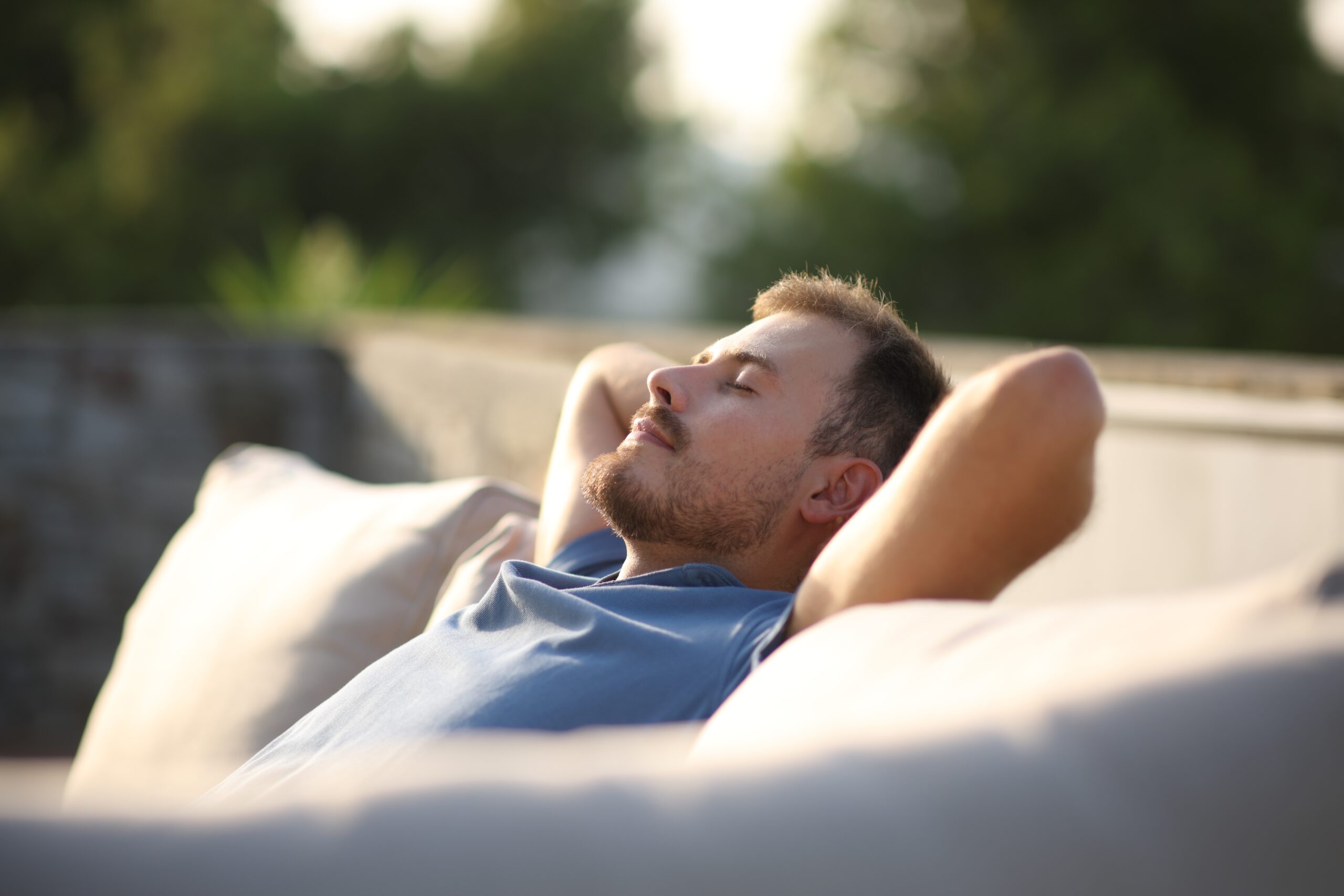
Rest is not the same as sleep, and it is not the same as doing nothing. It is an active, deliberate state of nervous system recovery that modern life has systematically eliminated, rebranded as laziness, and then sold back to people as a premium wellness service. The growing movement toward intentional rest represents something more fundamental than a lifestyle trend. It is a biological correction that the body has been requesting for a long time.
The case for rest has never been stronger or more clearly articulated by research. Studies examining the physiology of recovery consistently find that the body requires regular periods of genuine low-stimulation recovery, not just sleep at night, to regulate stress hormones, consolidate learning and memory, support immune function, and maintain the kind of emotional equilibrium that sustains both health and effective functioning. When these periods are absent, which is common for most people operating in high-demand environments, the cost accumulates in ways that feel personal but are deeply biological.
What genuine rest actually does for the body
The nervous system operates across two primary modes: activation, which governs alertness, stress response, and output, and recovery, which governs repair, digestion, immune function, and emotional regulation. These modes are meant to alternate. The problem is that most people in high-achieving, high-stimulation environments spend the vast majority of their waking hours in activation and almost none in genuine stillness. The nervous system, never fully downshifting, operates under constant low-grade stress even in the absence of any identifiable stressor.
Intentional downtime, which includes quiet, unstimulated time without screens, tasks, or demands, activates the parasympathetic nervous system in ways that passive distraction does not. Watching content, scrolling social media, and even some forms of entertainment maintain a level of cognitive and emotional engagement that prevents the deeper recovery the nervous system needs. True recovery requires genuine disengagement, and that has become genuinely rare.
Why high achievers are the worst at this
The people who most need intentional rest are often the people most resistant to it. High achievers tend to associate productivity with value, which means that periods of apparent inactivity generate a specific anxiety that can override the body’s signals for recovery. The irony is that rest makes everything else more effective. Cognitive performance, creative capacity, emotional regulation, and physical recovery all improve significantly with adequate downtime. The research on this is not ambiguous.
Elite athletic training offers a useful analogy. The field of sports science has understood for decades that performance gains happen not during training but during recovery from training. Applying load without adequate rest does not build fitness. It builds breakdown. The same principle applies to cognitive and emotional load, though most people have never been taught to think about their mental and emotional lives in those terms. Recovery is not the absence of effort. It is where the gains from effort are realized.
What intentional rest looks like in practice
Intentional rest does not require a retreat, a meditation cushion, or an extended vacation, though none of those things are obstacles. It requires short, regular periods of genuine disengagement woven into the structure of ordinary days. A ten-minute walk without headphones. Sitting outside without a phone. A meal eaten slowly and without a screen. These are not dramatic interventions. These small resets, practiced consistently, gradually shift the baseline tone of the nervous system.
The challenge is cultural as much as personal. Rest is not valued in most professional environments, not discussed as a performance factor, and rarely modeled by leadership. Changing that requires individual commitment before institutional change catches up, and the people who make that commitment tend to notice the difference faster than they expected.
The permission most people need
Perhaps the most useful thing that can be said about rest is also the simplest. The body is not asking for permission to recover. It is already attempting to recover, through fatigue, distraction, irritability, and the growing inability to sustain focus. What changes when this is made intentional is that the body can recover on its own terms rather than through breakdown. That is not a small distinction. It is the difference between choosing to slow down and being stopped.