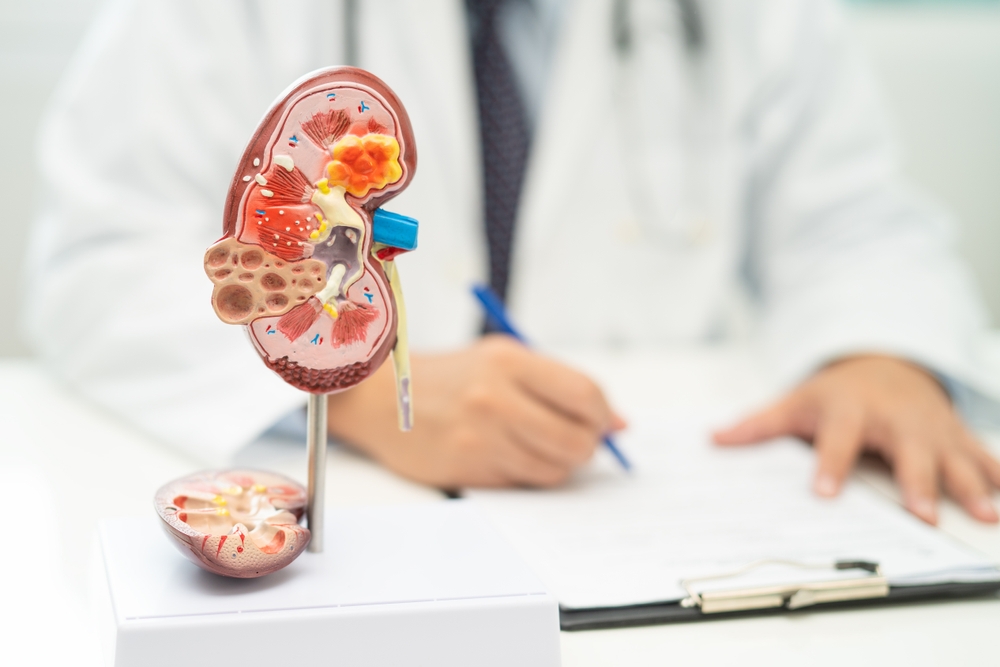
Kidney disease advances without announcement. They do their work silently, and that silence is one of the most clinically dangerous features of how this disease progresses. Together the two kidneys filter roughly 200 liters of blood per day, remove waste products, regulate fluid balance, control blood pressure, and produce hormones that manage red blood cell production and bone health. They perform this extraordinary work continuously, without sensation, without feedback to the conscious mind, and without complaint until a significant portion of their function has already been lost. By the time most people receive a diagnosis of declining renal function, they have been living with declining function for months or years without any awareness that anything was wrong.
This is the defining clinical challenge. The organs have so much reserve capacity that symptoms only emerge after the organs are functioning at a fraction of their normal capacity. Fatigue, fluid retention, changes in urination, and difficulty concentrating, the classic symptoms of this decline, appear relatively late in the disease course. What catches renal disease early, when intervention is still most clinically meaningful, is regular blood and urine testing in people who have established risk factors that make renal damage more likely.
What puts the organs at greatest risk
Diabetes and high blood pressure are the two leading causes of chronic renal failure, together responsible for the majority of cases globally. Elevated blood glucose damages the small blood vessels in kidney tissue, gradually impairing filtration function. Sustained high blood pressure exerts direct mechanical damage on the kidney’s delicate capillary networks. Both conditions can cause significant renal damage for years before function tests go outside the normal range, which is one reason why people with either condition require more frequent renal monitoring and a lower threshold for investigation when results change.
Certain medications also carry kidney risk that is not always communicated clearly. Nonsteroidal anti-inflammatory drugs, commonly taken for pain, reduce blood flow to the renal system when taken regularly, particularly in people who are older, dehydrated, or already have some degree of renal impairment. This risk is widely underappreciated because these medications are available over the counter. Long-term or high-dose use in vulnerable individuals can accelerate renal decline substantially.
Why hydration matters more than most people think
The organs depend on adequate hydration to dilute the waste products they filter and excrete. Chronic mild dehydration concentrates the urine in ways that increase the risk of renal stone formation and may contribute to tubular injury over time. Kidney stones, beyond their immediate painful presentation, can cause scarring and obstruction that permanently reduces function in the affected kidney. People with a history of renal stones, particularly those formed from calcium oxalate, benefit significantly from increasing fluid intake to reduce stone recurrence.
Drinking adequate water throughout the day, aiming for pale yellow urine as a practical measure, is one of the simplest and most accessible kidney protective behaviors available to anyone.
What proactive renal care looks like
Annual function testing through a basic metabolic panel or comprehensive metabolic panel checks creatinine levels from which estimated glomerular filtration rate is calculated. A urine albumin test detects protein leaking through damaged kidney filters, which is often the earliest detectable sign of kidney injury. For those with diabetes, hypertension, obesity, or a relevant family history, these tests should be a consistent part of routine care rather than an afterthought.
Controlling blood pressure, managing blood glucose, limiting sodium, avoiding routine NSAID use, and not smoking are the evidence-supported pillars of renal protection. These organs do not ask for much. What they ask for is consistency, and they tend to respond to consistency over the long term with a resilience that most people underestimate. These are not complex asks. They are the absolute minimum these organs deserve, and the evidence is clear that consistent attention to them preserves function in ways that reactive care after damage has occurred simply cannot match.