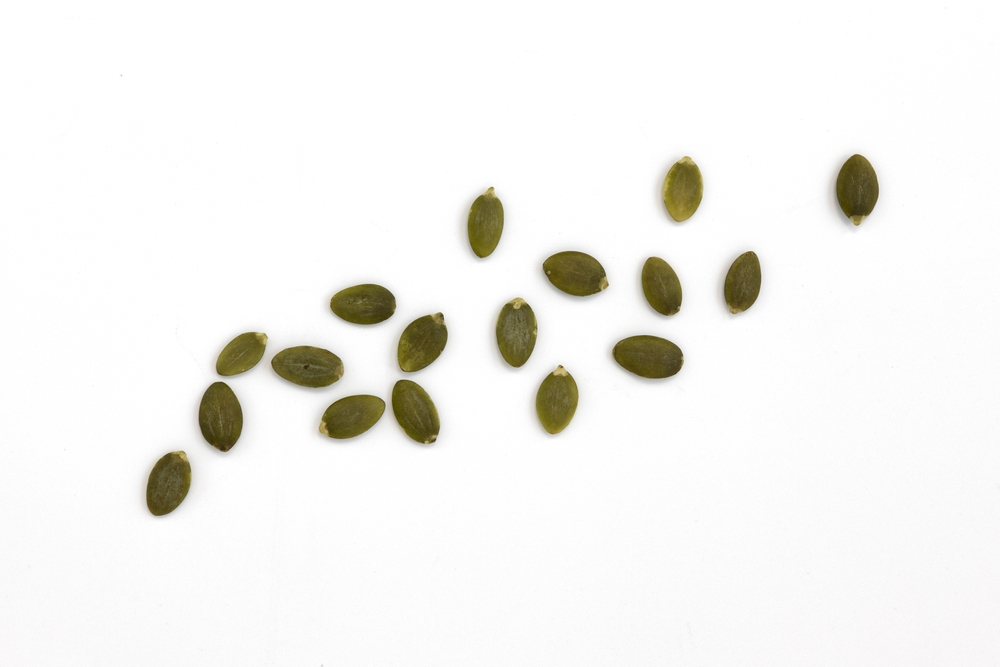
Pumpkin seeds rarely take center stage, yet they hold a quiet strength in the world of nutrition. Tucked inside a familiar fruit, these seeds offer more than a satisfying crunch. They carry a mix of nutrients that support the body in ways that feel both subtle and steady.
Often called pepitas, pumpkin seeds have long been part of traditional diets. Today, they are gaining renewed attention as people look for simple foods that deliver real value without complication.
Pumpkin and its nutrient depth
What sets this seeds apart is the density of what they contain. A small serving delivers magnesium, a mineral involved in hundreds of processes across the body. It supports muscle function, keeps the heartbeat steady, and plays a role in energy production.
The fat content in pumpkin seeds is another strength. These are mostly unsaturated fats, the kind associated with improved cholesterol levels and better heart health. They help reduce the buildup linked to cardiovascular issues.
Fiber is present in modest but meaningful amounts. It supports digestion and contributes to a sense of fullness after eating. Zinc, another key nutrient, supports immune function and cell growth. Together, these elements form a compact but effective nutritional profile.
Pumpkin and everyday health benefits
Regular consumption of pumpkin seeds can influence several aspects of health. One of the more noticeable effects relates to sleep. The seeds contain tryptophan, an amino acid that plays a role in producing compounds linked to rest and mood. This connection makes them a natural addition to an evening snack.
Heart health also benefits from their composition. The balance of fats, fiber, and antioxidants supports circulation and helps manage cholesterol levels over time. These effects build gradually, making consistency more important than quantity.
There is also growing interest in how pumpkin seeds may support male reproductive health. Zinc content appears to play a role in this area, contributing to improved function in some studies.
Research continues into their potential link to reduced cancer risk. Compounds found in the seeds may influence hormone related pathways, though findings remain under study.
Pumpkin in daily meals
Adding pumpkin seeds to a routine does not require much effort. Their mild flavor allows them to fit into both savory and sweet dishes. A handful can be scattered over salads or stirred into soups for added texture.
They can also be blended into smoothies or mixed into baked goods. Some prefer them roasted, bringing out a deeper flavor that works well as a snack on its own. Pumpkin seed butter offers another option, spreading easily on bread or pairing with fruit.
Their versatility makes them easy to include without changing eating habits too much.
Pumpkin and mindful consumption
Despite their benefits, portion size matters. Pumpkin seeds are calorie dense, with a small serving carrying a noticeable energy load. Eating them in excess may lead to digestive discomfort, including bloating.
Both shelled and unshelled varieties are available. Shelled seeds offer convenience, while whole seeds provide additional fiber. Drinking water alongside them can support digestion, especially when consumed in larger amounts.
Balance remains the guiding principle. A small, regular portion tends to offer the most benefit without unwanted effects.
A simple addition with lasting impact
Pumpkin seeds do not promise dramatic change overnight. Their strength lies in consistency. Over time, their nutrients contribute to a broader pattern of health that supports the body quietly.
They fit easily into daily life, require little preparation, and offer a reliable source of nourishment. In a space often filled with complex solutions, pumpkin seeds stand out for their simplicity.