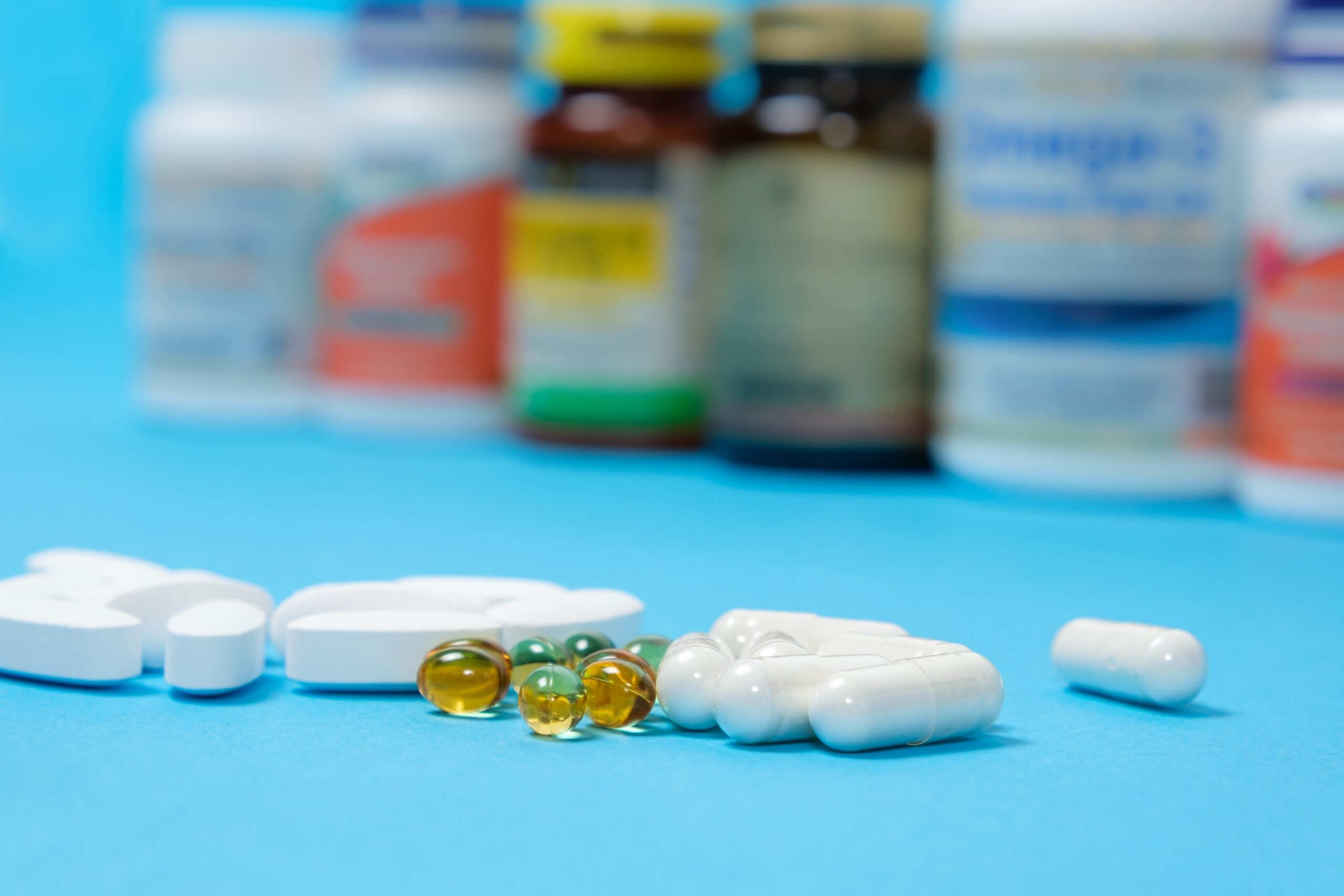
Supplements for women fill entire store aisles and social media feeds with promises that range from plausible to wildly overstated. Most women do not need a long list of daily supplements if they are eating a reasonably balanced diet. But specific life stages, health conditions, and nutritional gaps can make certain supplements genuinely valuable, and knowing which ones carry real scientific support is far more useful than following the latest wellness trend.
The seven supplements below represent the most consistently recommended options in women’s health, each supported by a meaningful body of research and each addressing a nutritional need that is particularly relevant to female biology across the lifespan.
1. Vitamin D supplements
Vitamin D supports calcium absorption, bone density, immune function, and overall hormonal health in ways that make it one of the most broadly important nutrients for women at every age. Women face higher rates of osteoporosis than men, and that risk accelerates significantly after menopause when bone loss speeds up. Vitamin D is also essential during pregnancy for healthy fetal bone development. Many women are deficient without knowing it, since symptoms of low vitamin D are vague and easily attributed to other causes. Vitamin D is best absorbed when taken with a fat-containing meal, and blood testing is the most reliable way to determine whether supplementation is genuinely needed.
2. Calcium supplements
Calcium is the primary mineral in bone tissue and plays essential roles in muscle function, nerve signaling, and cardiovascular health. Women’s calcium levels tend to decline at the onset of menopause as estrogen levels fall and bone turnover accelerates. Low calcium intake over time contributes to the weakening of bone density that underlies osteoporosis. The body absorbs calcium most efficiently in smaller amounts taken with meals, and since vitamin D is required for calcium absorption, the two are frequently recommended together. Women whose diets are low in dairy, leafy greens, and fortified foods are most likely to benefit from supplementation.
3. Iron supplements
Iron is essential for producing hemoglobin, the protein in red blood cells that carries oxygen throughout the body. Women of reproductive age need significantly more iron than men because of monthly menstrual losses, and pregnant women have even higher requirements as blood volume expands to support the growing fetus. Iron deficiency is one of the most common nutritional deficiencies among women globally, producing fatigue, cognitive fog, and shortness of breath when it becomes pronounced. Iron is best absorbed when taken alongside vitamin C and away from calcium, coffee, and tea, which interfere with its uptake. Blood testing that measures stored iron rather than circulating iron provides the most accurate picture of actual iron status.
4. Folic acid supplements
Folic acid is a B vitamin that plays a critical role in DNA synthesis and cell division, making it particularly important during the earliest stages of fetal development. Neural tube defects, among the most serious birth complications affecting the brain and spine, are significantly less common in women who maintain adequate folate levels before and during early pregnancy. Because the most critical window for fetal protection occurs in the first weeks of pregnancy, often before a woman knows she is pregnant, many health authorities recommend that all women of reproductive age maintain consistent folic acid supplementation regardless of whether pregnancy is actively planned.
5. Vitamin B12 supplements
Vitamin B12 supports the nervous system, red blood cell formation, and DNA synthesis. It is found almost exclusively in animal-derived foods, making women who follow plant-based diets particularly vulnerable to deficiency. Pregnant and breastfeeding women have elevated requirements because the developing child draws on the mother’s stores, and deficiency during these periods has been linked to developmental complications in infants. B12 stores in the body can take years to deplete, meaning deficiency can develop gradually and silently before producing noticeable symptoms. Blood testing is the most reliable way to identify deficiency, particularly in women whose diets may put them at risk.
6. Magnesium supplements
Magnesium supports hundreds of enzymatic processes in the body including muscle relaxation, bone metabolism, blood sugar regulation, and stress response. It is found in abundance in leafy greens, nuts, seeds, legumes, and whole grains, making dietary intake a realistic option for many women. Supplementation becomes more relevant for women experiencing perimenopause and menopause, a life stage frequently characterized by sleep disruption that magnesium may help address by supporting muscle relaxation and the physiological conditions favorable to sleep. Taking magnesium in the evening is a commonly recommended approach for women seeking its sleep-supporting effects specifically.
7. Protein supplements
Protein is not typically classified alongside vitamins and minerals in the supplement conversation, but the evidence for its importance in women’s health, particularly in midlife and beyond, is substantial enough to merit inclusion here. Muscle mass declines with age in both sexes, and hormonal changes during and after menopause accelerate that process in women. Adequate daily protein intake is the primary dietary tool for preserving muscle tissue, supporting metabolic health, and maintaining functional strength across the decades. Most people can meet their protein needs through food alone, but women with limited appetites, those recovering from illness, or those with highly active lifestyles may find protein supplementation a practical way to close the gap between need and intake.
What to look for before buying any supplement
Quality in the supplement market is not guaranteed by price, brand recognition, or natural origin claims. Third-party testing verification from established independent quality organizations is the most reliable indicator that a product contains what its label states at the potency it claims. Blood testing before starting any supplement is the most accurate way to identify genuine deficiencies and avoid supplementing nutrients the body already has in adequate supply. A conversation with a healthcare provider remains the most important first step for any woman navigating this landscape.