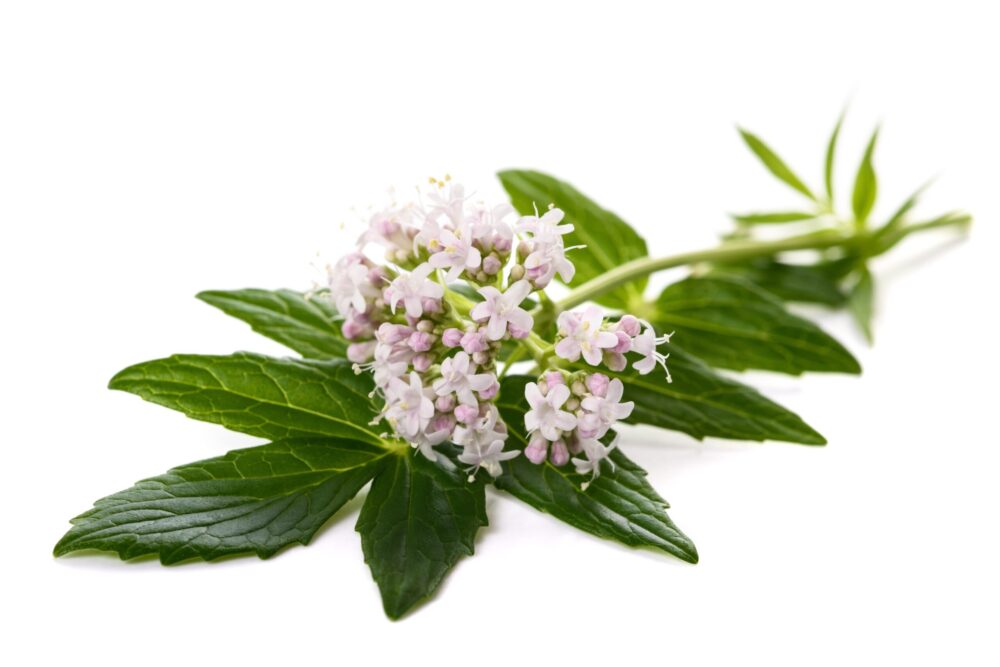
Valerian root has been trusted for millennia across traditional medical systems as a remedy for sleeplessness, anxiety, and nervous tension. In the modern wellness landscape it has found a new and enthusiastic audience among people looking for natural alternatives to pharmaceutical sleep aids. Walk into any health food store and the shelf space dedicated to valerian-based products tells its own story about how popular this supplement has become.
What the marketing rarely communicates as clearly as the promises is that the scientific evidence behind valerian root is genuinely mixed. Some studies show meaningful benefits for sleep, anxiety, and menopausal symptoms. Others have failed to replicate those findings or have concluded that the evidence is too limited and too inconsistent to support confident recommendations. Understanding both sides of that picture is essential for anyone considering whether this supplement belongs in their routine.
What valerian root is thought to do inside the body
Valerian root appears to work primarily by influencing the activity of a calming neurotransmitter in the brain that is also targeted by certain prescription medications used for anxiety and sleep disorders. By increasing the availability and activity of this inhibitory chemical messenger, valerian root produces a sedating and anxiolytic effect that explains both its traditional use and its continued popularity as a natural sleep aid.
This mechanism is plausible and supported by laboratory research. The challenge is that translating that biological plausibility into consistent clinical outcomes in human trials has proven more difficult than the mechanism alone would suggest. Sleep research in particular involves a complex interplay of subjective experience and objective measurement, and valerian studies have struggled to show consistent results on the objective side even when subjective reports are positive.
Sleep improvement
The most studied application of valerian root is as a sleep aid, and the evidence here is simultaneously the most encouraging and the most inconsistent. Some controlled studies have found meaningful improvements in the time it takes to fall asleep, overall sleep quality, and next-day alertness in adults with mild sleep difficulties who took valerian extract consistently over several weeks. Those findings have generated genuine scientific interest in the supplement as a low-risk option for people with mild insomnia.
However, reviews of the broader body of research have reached more cautious conclusions, noting that many valerian studies are small, methodologically limited, or have produced results that cannot be objectively confirmed through sleep monitoring independent of self-report. The consensus among researchers is that the jury is still out and that larger and more rigorously designed human trials are needed before valerian can be confidently recommended as a sleep treatment.
Anxiety and mood support
Some research has examined valerian root’s potential to ease mild anxiety and improve mood, with a handful of studies reporting positive effects particularly in people experiencing anxiety alongside sleep difficulties. The evidence base here is even thinner than for sleep, with most studies involving small and highly specific populations whose results cannot be broadly generalized. Valerian may offer some support for mild anxiety, but it is not a clinically established treatment for anxiety disorders and should not be approached as one.
Menopausal symptom relief
Several studies have looked at valerian root’s potential to reduce the frequency and severity of hot flashes in postmenopausal women, with some promising results emerging from controlled trials. These findings are preliminary and have come primarily from small studies in specific populations, meaning they require replication in larger and more diverse groups before they can support broad recommendations. For women navigating menopausal symptoms who are interested in natural approaches, valerian may be worth discussing with a healthcare provider as one option among several.
The risks and side effects that deserve honest attention
Valerian root is generally considered safe for most healthy adults when used short-term, but that does not mean it is without risks or considerations worth taking seriously.
Side effects, while uncommon, can include headache, digestive upset, dizziness, and paradoxically in some people, increased restlessness and agitation rather than the calming effect sought. Because valerian enhances sedation, combining it with alcohol or other sedative substances significantly amplifies that effect in ways that can be dangerous. It should not be used by pregnant or breastfeeding individuals given the absence of safety research in those groups, and it is not appropriate for very young children.
People who use valerian consistently over an extended period and then stop abruptly may experience withdrawal-like effects including anxiety, irritability, and sleep disruption. Gradual reduction is a more appropriate approach than sudden discontinuation for anyone who has been using the supplement regularly.
Interactions with prescription medications, particularly those that affect the central nervous system, are another meaningful consideration. Anyone taking prescription drugs should discuss valerian with a healthcare provider before adding it to their routine rather than assuming its natural origin makes it universally safe to combine with other treatments.
Choosing and using valerian root responsibly
For those who decide to try valerian root after appropriate consultation, product quality varies enormously in the unregulated supplement market. Third-party testing verification from recognized independent quality assurance organizations is the most reliable way to identify products that contain what their labels claim at the potency stated. Starting at a lower dose and adjusting gradually based on individual response is a more prudent approach than beginning at the higher end of the available range, as potency varies significantly across products and individual sensitivity differs widely.