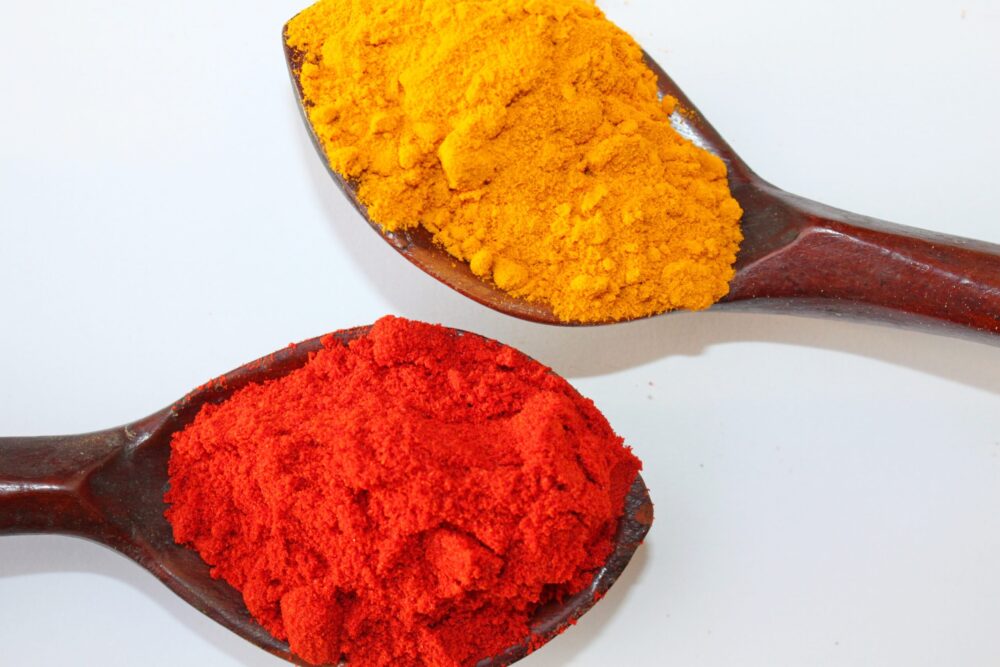
Turmeric and cayenne pepper have flavored foods across cultures for thousands of years, but their reputation has expanded well beyond the kitchen in recent decades. Both spices contain biologically active compounds that researchers have studied with increasing seriousness for their potential to reduce inflammation, support metabolic health, ease joint pain, and protect the cardiovascular system. The evidence accumulated so far is genuinely interesting, though not yet conclusive enough to position either spice as a medical treatment in its own right.
What makes turmeric and cayenne pepper particularly compelling in the broader nutrition conversation is that they represent something genuinely rare in the supplement and wellness world: ingredients with plausible biological mechanisms, a long history of safe culinary use, and a growing scientific literature that is beginning to validate at least some of the health claims long associated with them.
What turmeric does and what the research shows
Turmeric is the golden yellow spice most associated with South Asian cuisine and traditional medicine systems. Its primary active compound is a natural substance with potent antioxidant and anti-inflammatory properties that has become one of the most studied plant compounds in nutritional science.
The most consistently supported benefit of turmeric in the research literature is its ability to reduce inflammatory markers in the body. Chronic low-grade inflammation is now understood to underlie a wide range of serious health conditions, making the anti-inflammatory activity of this compound relevant across multiple disease areas. Research has found that turmeric supplementation may help reduce the oxidative stress that drives cellular damage and contributes to the aging of tissues throughout the body.
Joint health is another area where turmeric has accumulated meaningful evidence. Studies comparing the pain-relieving effects of concentrated turmeric extract with those of common over-the-counter anti-inflammatory medications have found comparable results for people with knee pain from osteoarthritis, a finding that has generated substantial interest among researchers and clinicians alike. While turmeric is not a replacement for established arthritis treatments, the evidence for its supportive role is stronger than for most herbal remedies studied in this context.
A more preliminary and emerging area of turmeric research involves its potential role in mental health. Depression has biological connections to inflammation in the brain, and some studies have found that turmeric supplementation may help alleviate symptoms of anxiety and depression in people with major depressive disorder alongside standard treatment. This research is early and the findings should be interpreted cautiously, but the direction of the evidence is generating genuine scientific interest.
One important note for anyone using turmeric as a supplement rather than a culinary spice is that its active compound is fat-soluble and poorly absorbed on its own. Consuming it alongside a source of dietary fat and pairing it with black pepper, which contains a compound that dramatically increases its absorption, significantly improves the body’s ability to access its benefits.
What cayenne pepper does and what the research shows
Cayenne pepper derives most of its studied health benefits from capsaicin, the compound responsible for its characteristic heat. Capsaicin has been the subject of extensive research across several health domains, and the findings are promising enough to take seriously even if they are not yet definitive enough to translate into clinical recommendations.
Metabolic health is one of the areas where capsaicin research has shown the most consistent results. Studies examining its effect on body weight, body composition, and waist circumference have found modest but measurable improvements in people with overweight or obesity, likely through its influence on metabolic rate and fat oxidation. The effects are not dramatic in absolute terms, but they are reproducible across multiple studies, which lends the finding credibility.
Digestive health represents a more complicated picture for cayenne pepper. Some research suggests capsaicin supports gut function and microbiome health, while other studies have found irritating effects, particularly at higher doses or in people with sensitive digestive systems. The current evidence does not support confident conclusions in either direction, and individual tolerance varies considerably.
Cardiovascular health may be one of the most exciting areas of capsaicin research. The compound appears to support healthy blood circulation, reduce vascular inflammation, and contribute to blood pressure regulation through mechanisms that researchers are still working to fully characterize. Population research examining chili pepper consumption and heart disease risk has produced findings compelling enough to draw serious scientific attention.
What happens when turmeric and cayenne pepper are combined
The idea that combining these two spices might produce effects greater than either achieves alone is biologically plausible and has generated some preliminary research interest. One small study found that a spice mixture containing both turmeric and cayenne along with several other spices improved gut microbiome diversity in healthy adults, a change that could theoretically enhance the anti-inflammatory activity of both compounds through the gut’s production of beneficial short-chain fatty acids.
The evidence for a specific synergistic effect between these two spices alone is not yet established in human trials, and claims that the combination dramatically amplifies either ingredient’s benefits go beyond what current science supports. What does appear reasonable is that incorporating both into the diet regularly, through cooking rather than necessarily through supplementation, is both safe for most people and consistent with the broader dietary pattern research associates with better health outcomes.
People with sensitivities to either compound, or those with gallstones, kidney stones, or liver conditions, should approach turmeric in particular with some caution, as higher doses have been associated with adverse effects in those contexts. As with any supplement, consulting a healthcare provider before adding concentrated forms of either spice to a daily routine is the most responsible approach.