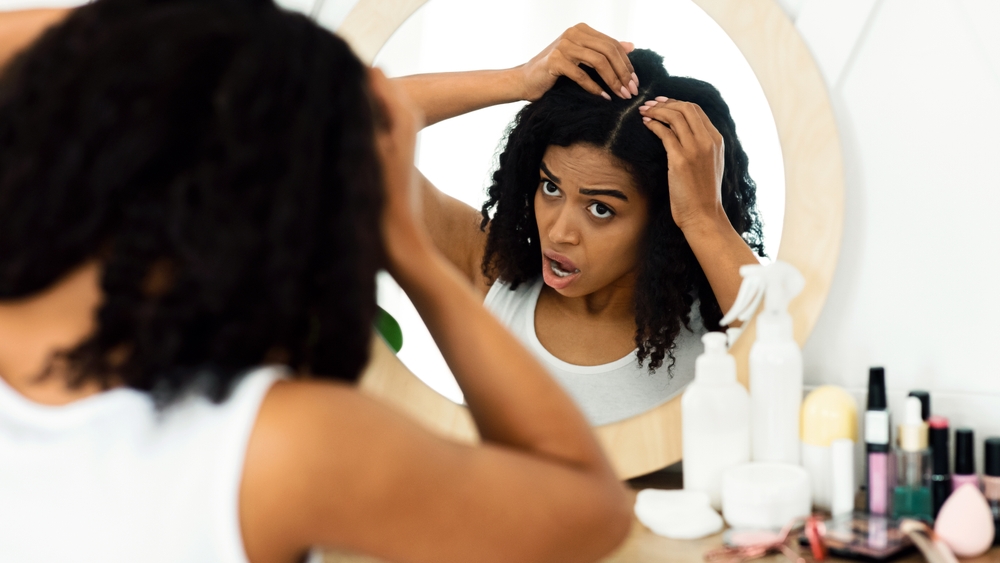
Dandruff is one of the most common scalp conditions, affecting a significant portion of the population at some point in their lives. It is characterized by the shedding of dead skin cells, typically accompanied by itching and irritation. On its own, dandruff does not cause hair loss. The more indirect pathway is the problem.
When the scalp itches persistently, scratching becomes difficult to resist. That repeated friction can damage hair follicles over time, contributing to thinning and breakage. Beyond the mechanical damage, some of the underlying conditions that produce dandruff also trigger scalp inflammation, which can interfere with the normal hair growth cycle and increase the likelihood of shedding.
What causes dandruff in the first place
A yeast called Malassezia is the most common driver of dandruff. This organism lives naturally on most scalps, but when it overgrows, often in response to excess sebum production, it sets off a cycle of flaking and irritation. Malassezia is not the only factor. Hormonal shifts, stress, cold or dry weather, certain hair products, and nutritional deficiencies, particularly in zinc and B vitamins, can all contribute to or worsen dandruff.
The scalp is also susceptible to several conditions that produce dandruff as a symptom while carrying their own distinct risks for hair health.
Scalp conditions that go beyond ordinary dandruff
Seborrheic dermatitis is a chronic inflammatory condition that affects oily areas of the skin, with the scalp being one of the most common sites. It produces scaly patches, white or yellow flakes, redness, and itching. In more severe cases, the ongoing irritation can weaken hair follicles and lead to noticeable thinning.
Scalp psoriasis works differently. As an autoimmune disorder, it accelerates the rate at which skin cells are produced, resulting in thick, scaly buildup. The inflammation associated with psoriasis can cause temporary hair loss, and some of the treatments used to manage the condition may dry the hair shaft, raising the risk of breakage.
Scalp ringworm, a fungal infection, produces a red and itchy rash and can cause hair loss in the areas it affects. Without treatment, it can spread and create larger patches of thinning. A separate yeast, Candida, can also disrupt the scalp environment and lead to increased flaking and irritation.
Folliculitis, which involves inflammation of the hair follicles often caused by bacterial or fungal infection, presents as small bumps on the scalp. In more advanced cases it can lead to scarring, which permanently damages follicles and results in patchy hair loss.
Treating dandruff at home
Most cases of dandruff respond well to over-the-counter medicated shampoos. Products containing zinc pyrithione, ketoconazole, selenium sulfide, coal tar, or salicylic acid are the most commonly recommended. Each targets dandruff through a slightly different mechanism, so finding the right one may take some experimentation.
For best results, the shampoo should be left on the scalp for five to ten minutes before rinsing rather than washed out immediately. Consistency matters more than occasional use; maintaining the routine even when symptoms improve helps prevent flare-ups.
Habits that support a healthier scalp
A few straightforward practices reduce the risk of dandruff-related hair damage over time. Avoiding scratching protects follicles from mechanical injury. Keeping the scalp adequately moisturized with lightweight, non-comedogenic products prevents the dryness that can worsen flaking. Hairstyles that place significant tension on the scalp are worth avoiding, as is prolonged sun exposure without protection.
Diet also plays a role. Adequate intake of biotin, zinc, iron, and omega-3 fatty acids supports both scalp health and the broader conditions that hair growth depends on.
If dandruff persists despite consistent home treatment, or if symptoms include swollen lymph nodes, painful areas, or substantial hair loss, a dermatologist can assess whether an underlying condition requires a more targeted approach.