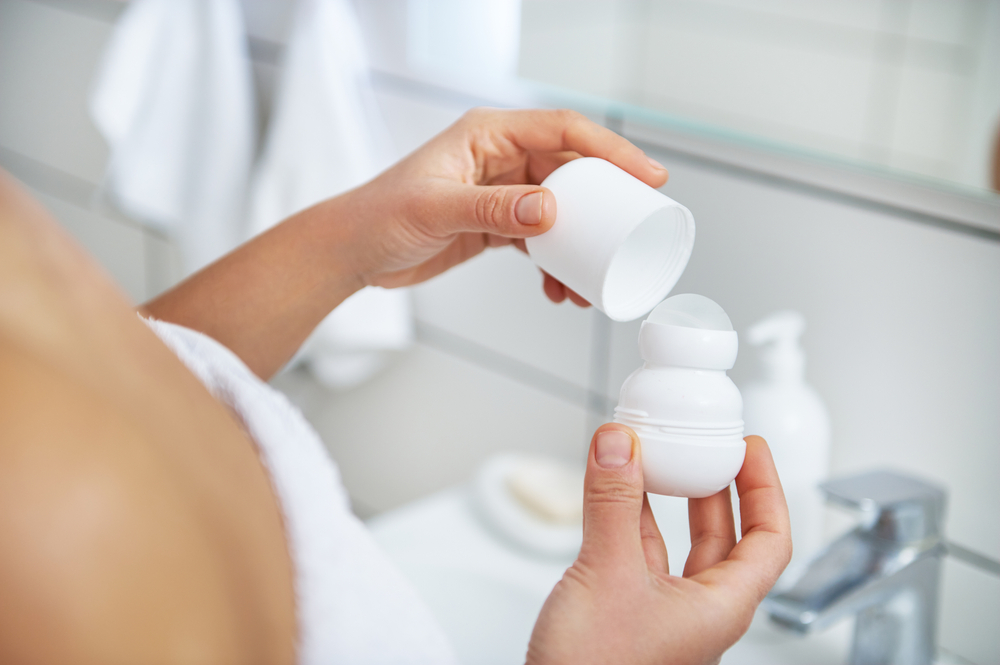
Deodorants and antiperspirants are not the same product, and the ingredients inside them have been generating real scientific debate. Here’s what the research actually shows.
Most people grab whatever is on the bathroom shelf without thinking much about what’s in it. Deodorant, antiperspirants, some combination of the two, applied and forgotten. But the formulas inside these products have attracted genuine scientific scrutiny over the past two decades, and understanding the distinction between them is more useful than it might seem.
The Deodorants and Antiperspirants do fundamentally different things. Knowing which one you’re using, and what’s inside it, is a reasonable starting point for anyone paying attention to what goes on their body every day.
What each product actually does
Deodorants target odor. Body odor is largely produced by bacteria on the skin breaking down compounds in sweat, and deodorants address that process through antimicrobial agents and fragrances. They do not reduce sweating. They make the environment less hospitable to the bacteria responsible for the smell.
Antiperspirants work differently. Their active ingredients, almost always aluminum salts, physically block sweat ducts and reduce the amount of perspiration the body releases. The FDA classifies antiperspirants as over-the-counter drugs rather than cosmetics, which reflects the fact that they are altering a bodily function rather than simply masking one.
Many products on shelves combine both functions, which is where the labeling can get confusing.
The aluminum question
Aluminum is where most of the health conversation lands, and it is worth separating what the evidence actually shows from what gets repeated online.
The concerns center on two things. First, aluminum salts are absorbed through the skin in small amounts, and their proximity to breast tissue raised questions about a potential link to breast cancer. Second, aluminum has been classified as an endocrine-disrupting chemical by the U.N. Environment Programme, meaning it may interfere with hormone regulation, particularly estrogen.
The FDA’s current position is that antiperspirants are safe for general use, and the existing body of research does not establish a direct link between antiperspirant use and breast cancer risk. That said, the endocrine disruption classification is not nothing, and researchers continue to study the cumulative effects of low-level exposure over time.
There is one group for whom aluminum warrants specific caution. People with compromised kidney function may have difficulty filtering aluminum efficiently, which can allow it to accumulate in the body. At elevated levels, aluminum has been associated with bone weakening and, in long-term exposure studies, with increased risk of neurological effects. For most people with healthy kidney function, everyday antiperspirant use is not considered a meaningful source of risk. For those with kidney disease, a conversation with a physician before using aluminum-based products is advisable.
Other ingredients worth knowing
Aluminum tends to absorb most of the attention, but several other common ingredients in deodorants and antiperspirants carry their own questions.
Parabens, used as preservatives, can mimic estrogen in the body. Research has detected parabens in breast tissue, though a causal relationship with cancer has not been established. Many brands have moved away from parabens in response to consumer pressure, and paraben-free options are now widely available.
Triclosan, an antimicrobial agent found in some deodorants, has raised concerns about hormone disruption and its potential contribution to antibiotic resistance. The FDA banned triclosan from certain soap products in 2016, though its use in other personal care products continues in some formulations.
Phthalates, added to help fragrance last longer, are also classified as endocrine disruptors. They appear frequently under the general label of ‘fragrance’ on ingredient lists, which is a term that can legally cover dozens of undisclosed chemical compounds. For people with sensitivities or specific health concerns, fragrance-free products remove a significant layer of uncertainty.
What natural deodorants actually offer
Natural deodorants have grown substantially as a category, and they vary considerably in what they contain and how well they work. Most rely on cornstarch, baking soda, or essential oils like tea tree oil to reduce bacterial activity and manage odor. They do not block sweating, which means they function more like a traditional deodorant than an antiperspirant.
For people who sweat heavily or need reliable odor control through long days, natural deodorants may require an adjustment period and may not perform comparably to aluminum-based products. For people whose primary concern is reducing chemical exposure rather than controlling sweat, they represent a straightforward trade-off.
Reading the label
The most practical takeaway from all of this is simple. Ingredient lists exist, and reading them takes less than a minute. If aluminum, parabens, triclosan, or phthalates are on your list of ingredients to avoid, checking the label before buying costs nothing. The personal care aisle has expanded enough that alternatives exist in almost every category.