When you sit down with your doctor for an annual checkup, the conversation usually covers familiar ground what you’re eating, how often you’re moving, how you’re feeling mentally.
That gap in routine care matters more than most people realize. Sleep apnea, one of the most common and consequential sleep disorders, affects an estimated 1 billion people worldwide, and that number is still climbing. Despite its reach, the condition remains widely underdiagnosed particularly in women and people of color leaving millions without treatment for a disorder that can quietly damage the heart, brain and overall quality of life.
What actually happens during sleep apnea
Obstructive sleep apnea, the most prevalent form, occurs when the airway becomes repeatedly blocked during sleep. These interruptions called apneas and hypopneas can happen more than 100 times per hour and typically last around 20 seconds each. During each episode, oxygen levels in the brain and body drop, forcing the heart to work harder and blood pressure to spike.
Most people with sleep apnea wake briefly after each episode but have no memory of it by morning. What they do notice is the aftermath: persistent fatigue, morning headaches or a partner complaining about loud snoring.
Left untreated, those nightly disruptions can cause lasting harm. Research links sleep apnea to serious cardiovascular conditions including hypertension, heart failure and stroke. The disorder has also been associated with an increased risk of Alzheimer’s disease and other forms of dementia. Beyond health consequences, sleep apnea is connected to a higher rate of motor vehicle accidents, reduced quality of life and significantly greater medical costs for individuals and for healthcare systems alike.
Why so many cases go undetected
The perception that sleep apnea mainly affects older, overweight men has created a blind spot in diagnosis. Women with the condition often experience a different set of symptoms headaches, insomnia and depression that standard sleep apnea screening tools aren’t designed to flag. Hormonal shifts throughout a woman’s life, differences in airway anatomy and variations in how the body responds to carbon dioxide all point to the need for updated diagnostic standards.
Racial disparities compound the problem further. The pulse oximeters used during sleep studies devices that measure blood oxygen levels by clipping onto a finger have been shown to be less accurate in people with darker skin tones, which can cause sleep apnea severity to appear milder than it actually is. At the same time, Medicaid beneficiaries, who are disproportionately from racial minority communities, face a higher rate of insurance denials for long term CPAP coverage, even though research has found that Black men tend to experience more severe cases of sleep apnea than their white counterparts.
Treatments are expanding, but access isn’t equal
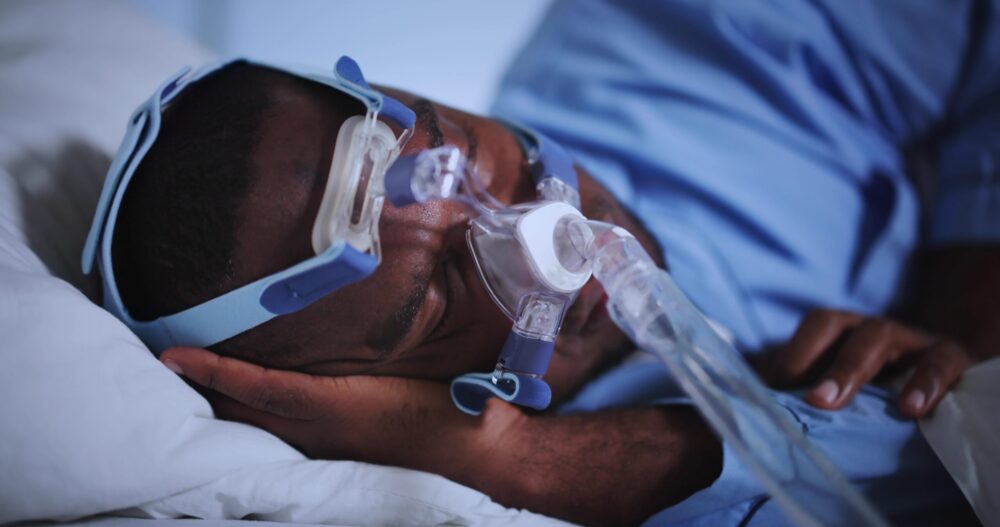
The standard treatment for sleep apnea remains continuous positive airway pressure therapy, or CPAP, which delivers a steady stream of air through a mask worn during sleep to keep the airway open. It is effective, but compliance is a persistent challenge many people find the device cumbersome or outright intolerable.
For those who can’t tolerate CPAP, alternatives exist. Implantable nerve stimulation devices have proven effective in certain patients. Oral appliances that shift the jaw forward to open the airway, positional therapies to discourage sleeping on the back, and myofunctional training exercises targeting the tongue and throat muscles are all recognized options.
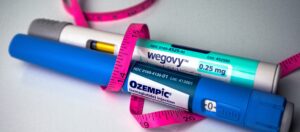
In late 2024, the U.S. Food and Drug Administration approved tirzepatide, the active ingredient in the GLP-1 medications Mounjaro and Zepbound, as a treatment for obstructive sleep apnea. The drug works by promoting weight loss, which can reduce the anatomical pressure that contributes to airway blockage.
What you can do right now
The good news is that one simple conversation can make a significant difference. Research shows that simply asking a primary care provider about sleep apnea increases the likelihood of receiving a specialist referral by ninefold. And getting evaluated no longer requires an overnight hospital stay at home sleep studies are now widely available and can provide an accurate diagnosis.
If you or someone you sleep near has noticed frequent snoring, gasping, daytime exhaustion, morning headaches, waking up short of breath, or unusually frequent nighttime urination, it’s worth raising with a doctor. Sleep is foundational to nearly every aspect of health and treating it as optional may come at a cost that goes well beyond a groggy morning.