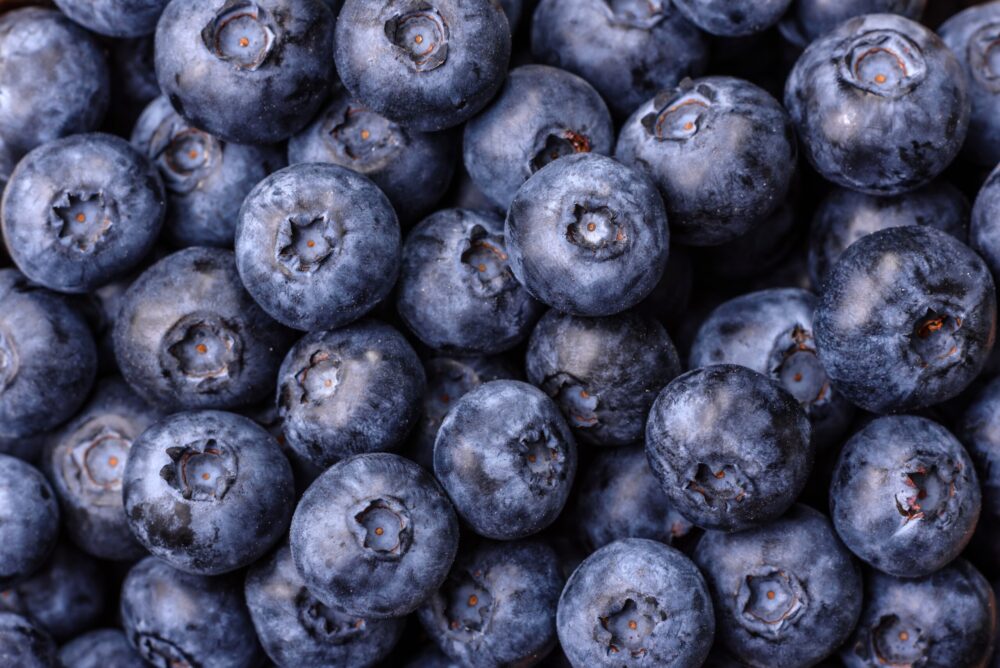
Anxiety is one of the most common mental health challenges in the world, affecting roughly one in three adults at some point in their lives. While therapy and medication remain important tools for managing the condition, nutrition is increasingly recognized as a meaningful piece of the puzzle — and one fruit in particular keeps coming up in conversations with dietitians: blueberries.
These small berries have earned serious attention from nutrition experts for their dense concentration of antioxidants, fiber and key vitamins that appear to influence how the brain and body handle stress. Whether fresh or frozen, wild or cultivated, blueberries offer a low-effort, high-reward way to support mental well-being through everyday eating.
Why food matters for anxiety in the first place
Before zeroing in on blueberries specifically, it helps to understand the connection between diet and anxiety. Nutrients directly shape several biological systems that regulate mood including inflammation levels, blood sugar stability, gut health and the production of neurotransmitters like serotonin and dopamine. When those systems are out of balance, the nervous system can become more reactive and harder to calm.
Dietary changes alone are unlikely to eliminate anxiety entirely, but building meals around whole, nutrient rich foods can help create a more stable baseline over time. Fruit, in particular, plays a central role in a mood supportive diet, and blueberries have emerged as one of the most beneficial options available.
3 ways blueberries help with anxiety
They fight inflammation linked to mood disorders
Blueberries are exceptionally rich in antioxidants especially a group called anthocyanins, which give the berries their deep blue-purple color. These compounds help combat oxidative stress and inflammation, both of which have been closely linked to anxiety and other mood disorders. A 2025 study published in Nutritional Neuroscience found that people with lower antioxidant intake were more likely to be diagnosed with generalized anxiety disorder. Participants who took antioxidant supplements for six weeks reported measurable reductions in anxiety symptoms.
For an even more potent antioxidant boost, nutrition experts point to wild blueberries, which typically contain a higher concentration of these protective compounds than conventionally farmed varieties.
They support brain function and neurotransmitter production
The same antioxidants responsible for fighting inflammation also appear to benefit the brain more directly. Research suggests that regular blueberry consumption may improve blood flow to the brain, supporting focus, emotional regulation and mood stability particularly during stressful periods. One cup of blueberries also delivers roughly 15 percent of the daily recommended value of vitamin C, a nutrient that plays a direct role in the body’s production of serotonin and dopamine, the neurotransmitters most closely tied to mood and stress response.
They nourish the gut brain connection
One of the most compelling reasons dietitians recommend blueberries for anxiety has to do with the gut. A single cup of regular blueberries contains about 3.6 grams of fiber and a cup of wild blueberries nearly doubles that, contributing between 13 and 22 percent of the daily recommended intake. That fiber, combined with blueberries’ natural polyphenols, feeds beneficial gut bacteria and strengthens the gut-brain axis a two way communication network between the digestive system and the brain. Emerging research increasingly shows that a healthier gut is associated with better mood regulation and lower anxiety levels.
How to actually eat more blueberries
The best approach is also the most straightforward: find a way to eat blueberries consistently, in whatever form works best for your lifestyle. If fresh berries tend to spoil before you get through them, frozen blueberries are an equally nutritious and far more convenient option that work well in smoothies, oatmeal and pancake batter.
Wild blueberries, often found in the frozen food aisle, are worth seeking out specifically. Because they are smaller than cultivated berries, they have a higher ratio of skin to flesh, which means more fiber and antioxidants per serving.
Beyond snacking on them plain, blueberries can be stirred into yogurt, layered onto cereal, folded into chia pudding or tossed into salads for a quick nutritional upgrade. Pairing them with protein-rich foods like Greek yogurt or nuts helps balance blood sugar, which further supports a steadier mood throughout the day.
The goal is not perfection it is consistency. However blueberries fit naturally into your routine is the right way to eat them.