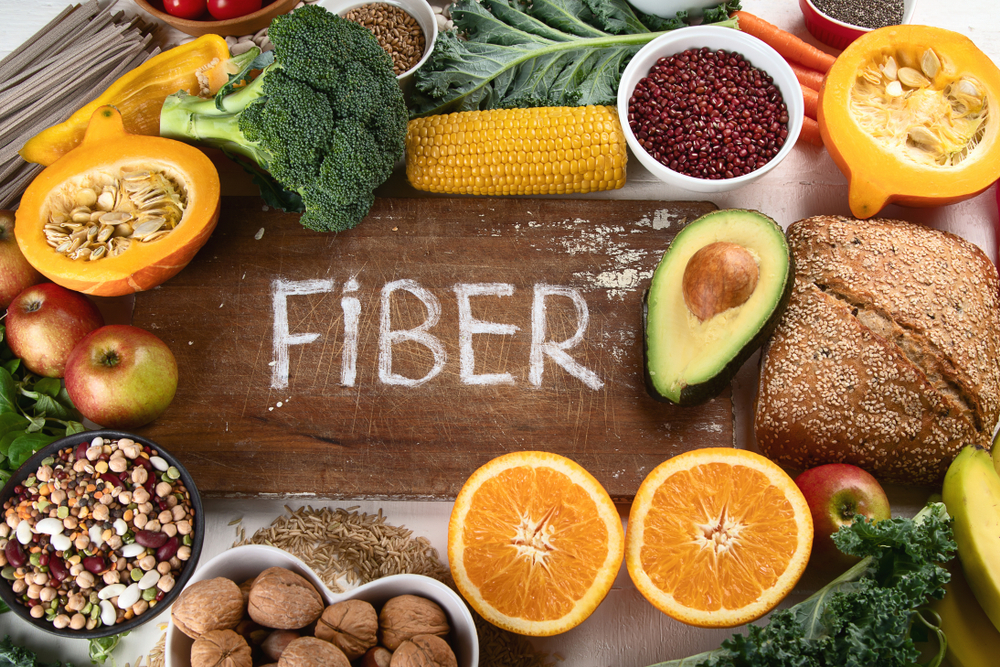
This overlooked powerhouse steadies blood sugar, lowers cholesterol, feeds the gut, keeps you fuller
Fiber is suddenly the nutrient everyone is talking about, and for good reason. Searches and grocery shelves have exploded with high-fiber everything this year, yet most people still fall dramatically short of what their bodies actually need. This humble nutrient does far more than keep things moving. It quietly protects the heart, steadies blood sugar, feeds a healthy gut, and helps you feel full longer, making it one of the simplest upgrades you can make to your plate.
Why fiber deserves the hype
The health payoff is impressive. Soluble types dissolve into a gel that helps lower LDL cholesterol and slow how fast sugar enters the bloodstream, which supports steadier energy and stronger long-term heart health. That same gel feeds the friendly bacteria in your gut, fueling a microbiome now linked to better immunity and even mood. On top of that, high-fiber meals tend to be more filling, so they can naturally curb overeating and support a healthy weight.
For anyone watching their waistline, that built-in fullness can make portion control feel less like willpower and more like a happy side effect of eating well. Some research also ties a well-rounded intake to a lower risk of certain cancers. Getting enough fiber has even been connected to healthier blood pressure and cholesterol ratios over time. Few nutrients deliver this many wins at once, which is exactly why dietitians keep pushing it to the front of the plate.
Soluble and insoluble, and why you need both
There are two main kinds, and both matter. Soluble fiber, found in oats, beans, apples, citrus, and barley, dissolves in water and is the one that helps most with cholesterol and blood sugar. Insoluble fiber, common in whole grains, wheat bran, nuts, and the skins of fruits and vegetables, does not dissolve and instead adds bulk that keeps digestion regular and comfortable. Aiming for a decent share of soluble fiber each day, roughly 5 to 10 grams, tends to give the biggest heart and blood-sugar payoff. Most plant foods carry a natural mix of the two, so a varied plate covers both without any math or guesswork on your part.
The best foods to load up on
Reaching your daily target is easier than it sounds when you lean on the right foods. A few standouts pack a serious punch.
- Beans, lentils, and split peas, some of the richest sources per serving.
- Berries, pears, and apples eaten with the skin left on.
- Oats, quinoa, brown rice, and other hearty whole grains.
- Chia and flax seeds stirred into smoothies, yogurt, or oatmeal.
- Avocado, nuts, and plenty of leafy and cruciferous vegetables.
Building meals around these staples makes hitting your fiber goal feel effortless rather than like a chore. Even small additions, like a spoonful of seeds or an extra handful of berries, quietly stack up across the day.
How to get more without the bloat
Here is the catch. Most adults take in only about 15 grams a day, while women should aim for roughly 25 grams and men closer to 38, and studies suggest around 95% of us miss the mark entirely. Jumping straight to that goal can backfire with gas and cramping, so add just a few grams each week and let your gut slowly adjust. Drink plenty of water as you go, since it helps all that extra fiber move smoothly through your system.
Simple swaps do most of the work, like trading white rice for brown, snacking on vegetables instead of chips, or tossing beans into a soup or salad. Consistency matters more than perfection here, so focus on steady progress week by week. Over time, that fiber habit becomes second nature and your body will thank you for it in the long run. If you live with a digestive condition or another health concern, checking with a doctor or a registered dietitian first is always the smart move.