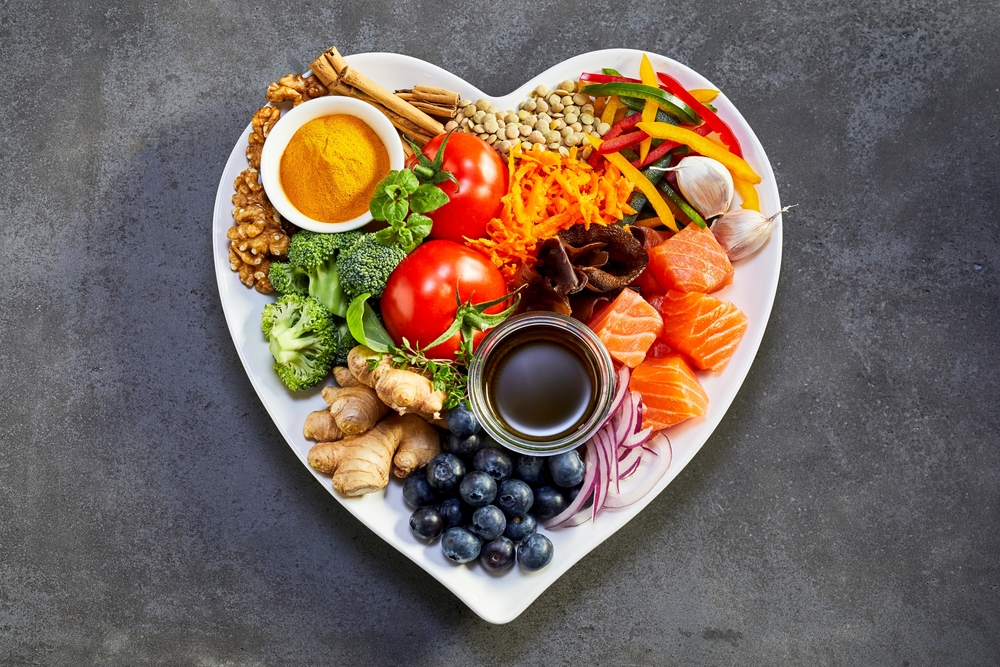
Every cell in the human body is under constant low-level assault from molecules called free radicals, unstable compounds produced through normal metabolism and accelerated by factors like pollution, stress, and poor diet. Antioxidants are the body’s primary defense against this process, neutralizing free radicals before they trigger the oxidative stress linked to inflammation, cellular damage, and the progression of chronic diseases including heart disease and certain cancers. The body produces some antioxidants on its own, but diet remains the most significant external source, and the range of antioxidant capacity across different foods is wider than most people expect.
Antioxidants are compounds that neutralize free radicals before they cause lasting damage. The body produces some on its own, but diet is the most significant external source, and the range of antioxidant capacity across different foods is wider than most people expect.
One benchmark researchers use to compare foods rich in antioxidants is the Oxygen Radical Absorbance Capacity score, or ORAC, which measures how effectively a food neutralizes free radicals in a controlled setting. The scores do not translate perfectly to what happens inside the body, but they offer a useful way to understand relative antioxidant density across different foods.
The foods that consistently rank highest
Prunes sit at the top of most antioxidant rankings and rarely get the recognition that reflects it. A 3.5-ounce serving carries an ORAC score of 5,770, driven largely by a high concentration of polyphenols. They also provide fiber, potassium, and vitamin K, making them useful for heart health and bone density beyond their antioxidant content.
Raisins follow the antioxidants listwith an ORAC score of 2,830 per 3.5-ounce serving. Like prunes, the drying process concentrates both nutrients and antioxidant compounds, particularly flavonoids and polyphenols associated with cardiovascular support.
Blueberries as antioxidants score 2,400 and have become the most widely recognized antioxidant food in popular nutrition discourse. Their anthocyanins, the pigments responsible for the deep blue color, are linked to reduced inflammation and support for eye health. A single serving also delivers meaningful amounts of vitamin C and dietary fiber.
Blackberries come in at 2,036 ORAC units per serving and carry the added advantage of being low in calories and high in fiber, a combination that makes them useful for blood sugar management and satiety alongside their antioxidant profile.
Kale reaches 1,770 and draws its antioxidant activity from a combination of polyphenols and carotenoids, compounds also associated with immune function and protection against age-related eye conditions. Strawberries, while not scored here with an ORAC figure, deliver over 100% of the daily recommended vitamin C intake in a single cup alongside anthocyanins that support arterial health.
Spinach provides carotenoids and polyphenols and has been associated in research with reduced risk of certain cancers and improved cardiovascular markers. Raspberries score 1,220 and are notable for combining high antioxidant content with one of the highest fiber-to-sugar ratios of any commonly eaten fruit.
Brussels sprouts round out the picture at 980 ORAC units, with chlorophyll and flavonoids contributing to their link with reduced cancer risk in epidemiological studies. Beets, at 840, offer a different class of antioxidants called betalains, which give them their distinctive color and have shown anti-inflammatory properties in research settings.
Getting more of these foods without overhauling your diet
The most practical approach to increasing antioxidant intake is variety rather than volume. Rotating between different colored fruits and vegetables across meals covers a wider range of antioxidant compounds than eating large amounts of any single food, because different pigments correspond to different classes of protective molecules.
Eating the skins of fruits where possible, choosing frozen over no produce at all when fresh is not available, and adding leafy greens to meals that already exist in a regular rotation are low-effort adjustments that accumulate meaningful nutritional value over time. The goal is not a dramatic overhaul but a consistent pattern of exposure to foods that the body can draw on in ways that processed alternatives simply cannot replicate.