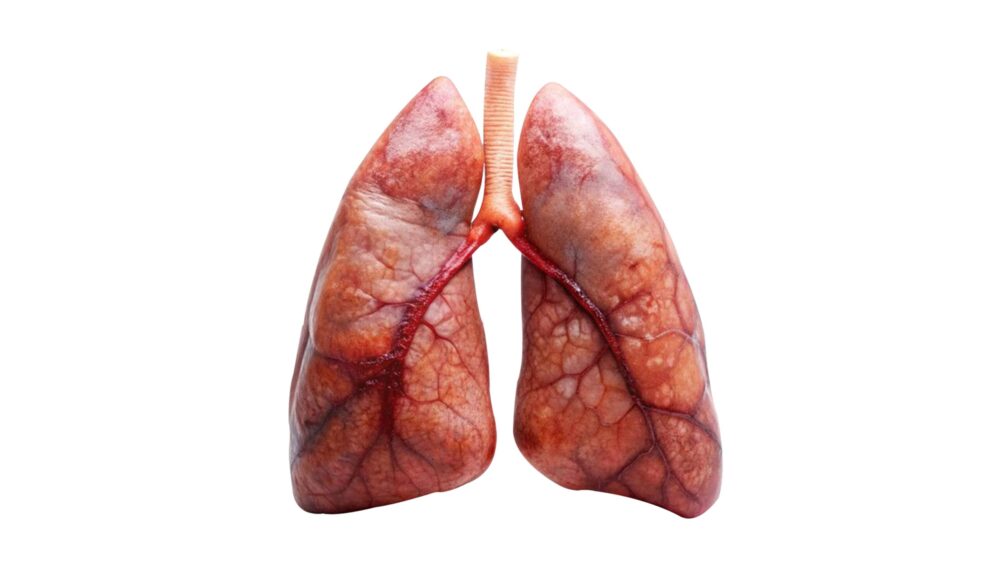
Lung function declines naturally with age, but the rate and eventual long-term trajectory of that decline is not fixed. It is shaped substantially by the air breathed across a lifetime, the environments inhabited, the habits practiced, and the inflammatory exposures accumulated without awareness. What clinicians in this field are increasingly documenting is that serious respiratory disease is no longer the exclusive domain of longtime smokers. It is expanding into populations that have never smoked, driven by decades of exposure to indoor pollutants, outdoor air quality degradation, occupational dust and chemical inhalation, and the complex respiratory consequences of conditions like untreated sleep apnea and chronic acid reflux.
Chronic obstructive pulmonary disease, or COPD, affects hundreds of millions of people globally and remains massively underdiagnosed. A significant percentage of cases occur in people who never smoked, particularly women in low and middle-income settings who have experienced decades of indoor smoke exposure from cooking fires or poorly ventilated biomass fuel use. But the non-smoker COPD phenomenon is also documented in populations with high levels of outdoor pollution exposure, occupational inhalation hazards, and a growing body of evidence connecting lung function decline to childhood respiratory illness and early-life air quality.
Why the lungs signal disease so late
The respiratory system has a remarkable reserve capacity. Significant deterioration in respiratory function can occur before exercise tolerance decreases noticeably, before breathlessness appears at rest, or before spirometry results fall outside the technical range of normal. By the time someone notices they are winded climbing familiar stairs or wakes with persistent coughing at night, the underlying structural changes to airway architecture and alveolar tissue have often been accumulating for years.
This reserve capacity, while biologically useful, creates a diagnostic gap. COPD screening through simple spirometry is not routinely performed as part of standard preventive care in most health systems, meaning that the majority of people with meaningful early COPD are undiagnosed until the disease has progressed substantially. The same pattern applies to interstitial lung diseases, which produce fibrosis and stiffening of lung tissue through inflammatory processes that may present only as mild exertional breathlessness for years before becoming clinically severe.
What air quality exposure does over decades
Long-term exposure to these particles, the tiny airborne particles produced by vehicle exhaust, industrial emissions, wildfire smoke, and household cooking, penetrates deep into lung tissue where it drives a persistent inflammatory response that progressively damages alveolar walls. The association between long-term particulate matter exposure and accelerated respiratory decline, lung cancer risk, and cardiovascular disease is among the strongest environmental health findings available.
Indoor air quality is a dimension of respiratory health that most people do not monitor and few think about as a chronic health exposure. Cooking emissions, particularly from gas stoves without adequate ventilation, produce nitrogen dioxide and fine particles at levels that would trigger air quality alerts if measured outdoors. Volatile organic compounds from synthetic furnishings, paints, and cleaning products accumulate in poorly ventilated spaces and contribute to cumulative airway irritation and chronic low-level inflammation that the occupant of the space has no sensory awareness of.
Why tobacco remains the single most powerful modifiable lung risk
Despite all the complexity of modern respiratory health exposures, smoking remains the most potent single modifiable risk factor available. It causes COPD, accelerates function decline several times faster than aging alone, and is the leading cause of this malignancy. Stopping smoking at any age produces measurable improvements in lung function trajectory and substantially reduces disease risk relative to continued smoking. The lungs begin recovering within weeks of cessation, and the benefit compounds across years.
For non-smokers, advocating for clean air policies, improving home ventilation, using air filtration in high-pollution environments, and staying current with vaccinations against respiratory illness are the most evidence-supported strategies available. It is worth advocating loudly for the kind of air the body was designed to breathe. Providing it is harder than it should be, but far from impossible.