The key difference between matcha and conventional green tea is that with it, the entire leaf is consumed rather than discarded after steeping. That distinction means the body is exposed to a greater concentration of the plant’s beneficial compounds per serving, which is part of why researchers have been paying closer attention to it.
Three ways matcha may affect blood sugar
The most studied compounds in matcha for blood sugar purposes are a class of antioxidants called catechins, with epigallocatechin gallate, commonly abbreviated as EGCG, drawing the most attention. Studies involving people with type 2 diabetes found that those who consumed green tea extracts showed improved insulin response and lower fasting blood sugar levels compared to those who did not, suggesting that EGCG plays a meaningful role in how the body processes glucose.
The second pathway involves carbohydrate absorption. When carbohydrates are digested, they break down into simple sugars that enter the bloodstream. Research suggests EGCG may slow that process, allowing sugar to enter the blood more gradually rather than in a single spike. This effect is particularly relevant after meals that are high in carbohydrates, where blood sugar rises most sharply.
The third area is inflammation. Chronic low-grade inflammation interferes with the body’s ability to regulate blood sugar effectively, and catechins are known to carry anti-inflammatory properties. Some animal studies have found that it can reduce liver inflammation and improve blood sugar markers, though researchers note that further human trials are needed before drawing firm conclusions in that area.
How to add matcha to a daily routine
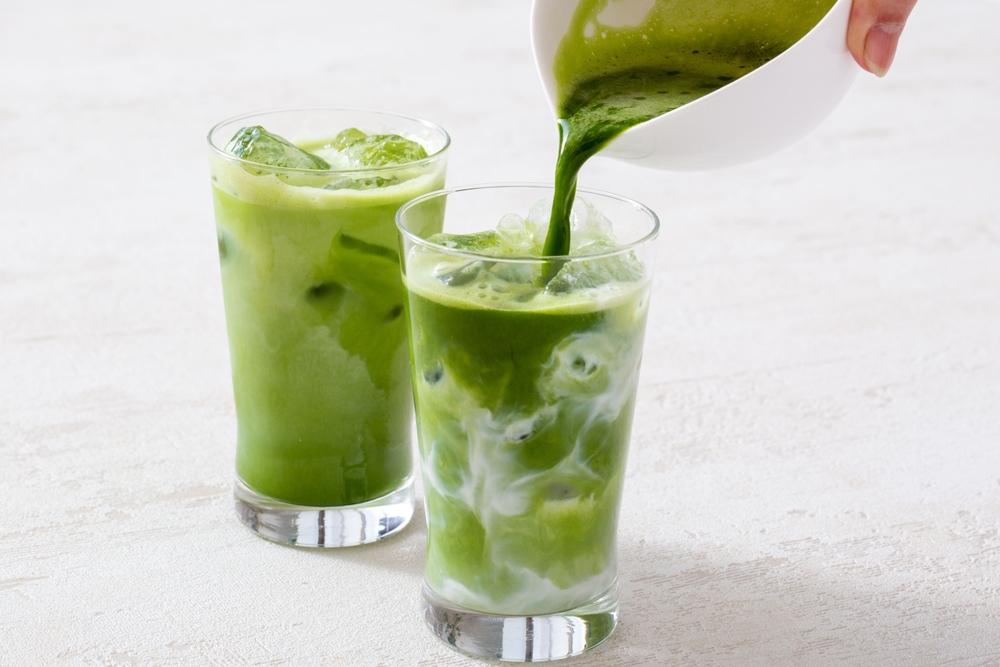
The most straightforward method is mixing a teaspoon of this powder into hot water to make a traditional preparation. It can also be blended into smoothies or whisked into unsweetened milk or a plant-based alternative to make a latte. Culinary-grade matcha works well in cooking and baking, while ceremonial-grade matcha is generally recommended for drinking because of its smoother flavor and higher quality processing.
Moderation is a reasonable approach for anyone new to this powder. The caffeine content is higher than in steeped green tea, which is worth accounting for when deciding how much to consume and at what time of day.
Who should check with a doctor first
Matcha is considered safe for most adults, but several groups should consult a healthcare provider before making it a regular part of their routine. People who are sensitive to caffeine may find that matcha worsens anxiety or disrupts sleep. Those with iron-deficiency anemia should be aware that compounds in green tea can reduce iron absorption when consumed close to meals.
Matcha may also interact with certain medications, including blood thinners and stimulants. People with liver conditions should be cautious, as high doses of concentrated green tea extracts have been associated with liver-related concerns in some cases.
What to look for when buying matcha
Quality varies considerably across the matcha market. Products labeled ceremonial grade tend to be smoother in flavor and more suitable for drinking, while culinary grade is more appropriate for mixing into recipes. High-quality matcha has a vivid, saturated green color, and packaging that is airtight helps preserve freshness. Products that specify the origin, typically a region in Japan, tend to be more reliable in terms of sourcing and processing standards.
The research on matcha and blood sugar is still building, but what is already known suggests it carries genuine potential as a dietary addition for people looking to support metabolic health through food rather than supplements alone.