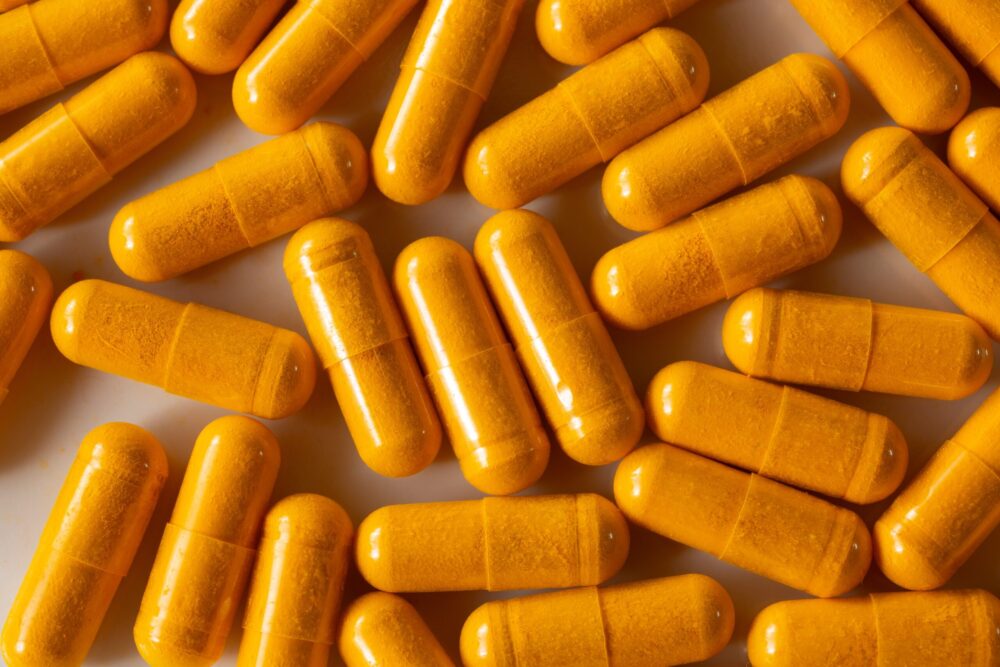
For centuries, turmeric has had a place in traditional medicine cabinets and kitchen spice racks alike. Now, modern science is catching up and what researchers are finding about this golden spice’s ability to combat chronic inflammation is turning heads in the nutrition world.
The secret lies in curcumin, turmeric’s primary active compound. Beyond its well known anti-inflammatory reputation, curcumin has also shown promise for improving insulin sensitivity, supporting healthy blood pressure and helping to balance cholesterol levels. It may also play a role in managing conditions like inflammatory bowel disease, arthritis and psoriasis.
Here is a closer look at the four key ways turmeric takes on inflammation in the body and what to know before adding a supplement to your routine.
It blocks the body’s main inflammatory switch
Curcumin targets the NF-κB protein complex, which functions as the master regulator of inflammation in the body. When NF-κB is activated, it sets off a chain reaction of inflammatory signals including tumor necrosis factor alpha, interleukin-1 beta and interleukin-6 that promote widespread inflammation in tissues. By preventing this complex from switching on, curcumin can help reduce that inflammatory cascade before it takes hold.
It regulates enzymes that drive inflammation
Certain enzymes in the body particularly COX-2, LOX and iNOS are linked to inflammation when they become overactive. Over time, their dysregulation has been associated with inflammatory diseases and may even contribute to cancer development. Curcumin helps keep these enzymes in check. In doing so, it may also help manage osteoarthritis by reducing the joint swelling and stiffness those enzymes trigger, working similarly to some common arthritis medications but potentially with a more favorable side effect profile.
It lowers a key inflammation marker in the blood
The liver produces a protein called C-reactive protein (CRP) in response to inflammation, and elevated CRP levels are a common indicator of chronic inflammatory conditions. Research suggests that taking 1,000 milligrams or less of curcumin daily for at least 10 weeks may significantly bring down CRP levels offering a measurable sign that inflammation in the body is easing.
It strengthens the body’s antioxidant defense system
Curcumin has a dual role as an antioxidant: it neutralizes harmful free radicals directly while also boosting the body’s own antioxidant enzymes. This combination helps protect cells from oxidative stress, a process closely tied to both aging and chronic disease. Because oxidative stress and inflammation tend to feed each other, reducing one can help calm the other.
What to know before taking turmeric supplements
Turmeric supplements are generally well tolerated, with mild digestive discomfort such as nausea, acid reflux or an upset stomach being the most commonly reported side effects. Serious reactions are rare, though high doses or contaminated products have, in isolated cases, been linked to liver damage or reduced iron absorption. People already at risk for kidney stones should also be aware that turmeric can increase urinary oxalates.
Most health organizations consider a daily intake of 0 to 3 milligrams of curcumin per kilogram of body weight to be safe, though research studies often use higher doses. Pregnant or breastfeeding individuals, and those with gallstones, kidney stones or certain cancers, are generally advised to avoid turmeric supplements. People taking blood thinners or diabetes medications should consult their doctor first, as curcumin can amplify the effects of both.
For the best absorption, look for a supplement that includes black pepper extract (piperine), which may boost curcumin absorption by as much as 2,000%. Since curcumin is fat soluble, taking it with a meal that contains healthy fats will also help.
Turmeric is not a cure all, but the science behind its anti-inflammatory properties is compelling. As part of a broader healthy lifestyle one that includes a nutritious diet, regular movement, stress management and quality sleep it may offer meaningful support for people dealing with chronic inflammation. As always, a conversation with a healthcare provider is the best starting point.