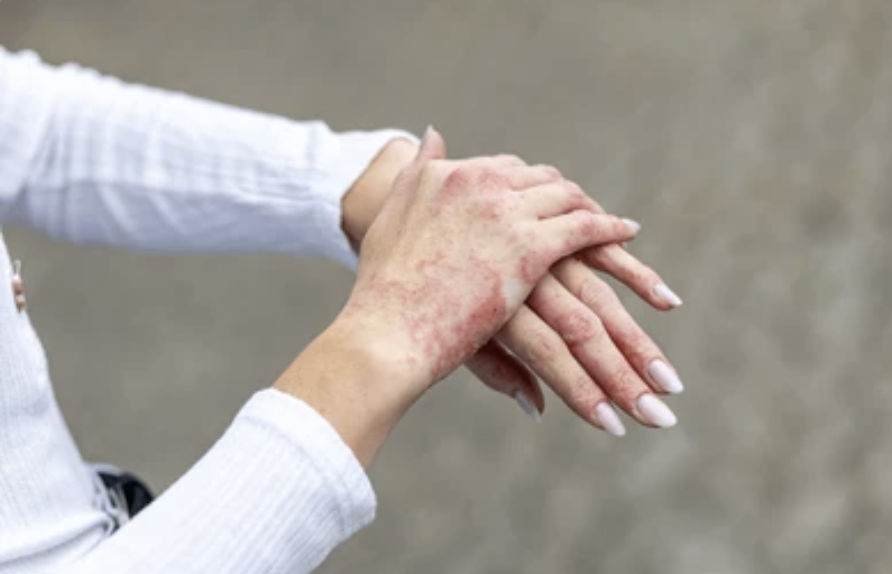
Eczema is the condition that most people who have it manage with a combination of moisturizers, avoidance strategies, and the particular resignation that comes from having tried many things that worked partially and briefly before the skin decided it had other plans. The cultural understanding of this condition as a skin problem, while technically accurate in terms of where its most visible manifestations appear, has historically understated what is actually happening at an immunological level and why topical management alone is insufficient for a significant proportion of sufferers.
New immunological research examining eczema across its full biological profile confirmed four systemic mechanisms that are operating in people with the condition well beneath the surface of the skin that is flaring. The findings are producing a meaningful shift in how dermatologists and immunologists approach treatment, with systemic interventions now recognized as appropriate for a much larger proportion of patients than the topical-first framework historically accommodated.
Eczema and the skin barrier dysfunction that begins the cascade
The foundational mechanism in this condition is a genetic and acquired dysfunction in the skin barrier that allows environmental allergens, irritants, and microbial organisms to penetrate the skin surface at rates that intact barrier function prevents.
The filaggrin protein, which is encoded by the FLG gene and is essential for maintaining the skin’s structural integrity and moisture retention capacity, is deficient or functionally impaired in a significant proportion of people with atopic dermatitis. The resulting barrier dysfunction allows trans-epidermal water loss that produces the chronic dryness characteristic of affected skin, and simultaneously allows the environmental penetration that initiates the immune activation cycle that produces the inflammatory response visible as the rash.
Research finds that addressing skin barrier dysfunction through regular emollient application, beginning in infancy in high-risk children, can reduce development rates, supporting the understanding that the barrier failure precedes and drives the immune activation rather than being a consequence of it.
Eczema and the Th2 immune pathway driving chronic inflammation
The second mechanism involves the specific immune pathway that this condition activates, which is a type 2 helper T-cell mediated response that produces the characteristic inflammatory cytokine profile of atopic dermatitis.
Interleukin-4 and interleukin-13, which are the primary inflammatory signaling molecules in this immune response, drive the skin inflammation, itching, and barrier damage in a self-reinforcing cycle. The scratching that the itch produces further damages the skin barrier, which increases allergen penetration, which amplifies the immune response, which intensifies the itch.
This specific cytokine pathway is the target of biologic medications including dupilumab that have produced the most significant advances in treatment in decades, with research confirming that blocking these pathways produces dramatic symptom reduction in moderate to severe cases where topical treatment has been insufficient.
Eczema and the skin microbiome disruption amplifying immune activation
The third mechanism involves the skin microbiome disruption that research finds is both a feature and a driver of flares, specifically the overgrowth of Staphylococcus aureus on affected skin that amplifies the immune activation beyond what environmental allergen exposure alone produces.
Research finds that S. aureus produces toxins that directly activate the immune cells responsible for this inflammation and that damage the skin barrier further, creating a bacterial amplification of the underlying immune dysregulation. Adults and children with the condition show S. aureus skin colonization rates significantly higher than those without it, and interventions that reduce bacterial load including dilute bleach baths and targeted antimicrobial treatment have been found to reduce flare frequency in colonized individuals.
Eczema and the systemic atopic march connecting skin to airways and gut
The fourth finding involves the systemic nature of atopic disease and the well-documented progression from this skin condition to other atopic conditions that research terms the atopic march. Children with atopic dermatitis show significantly elevated rates of food allergy, allergic rhinitis, and asthma development compared to those without the condition, a progression that reflects the underlying immune dysregulation rather than the skin condition itself causing the subsequent problems. Research finds that aggressive early treatment that reduces skin inflammation and barrier dysfunction may interrupt the atopic march by reducing the sensitization to food and environmental allergens that occurs through the disrupted skin barrier.