Everyday snacks and bedtime bottles do more damage than any candy jar
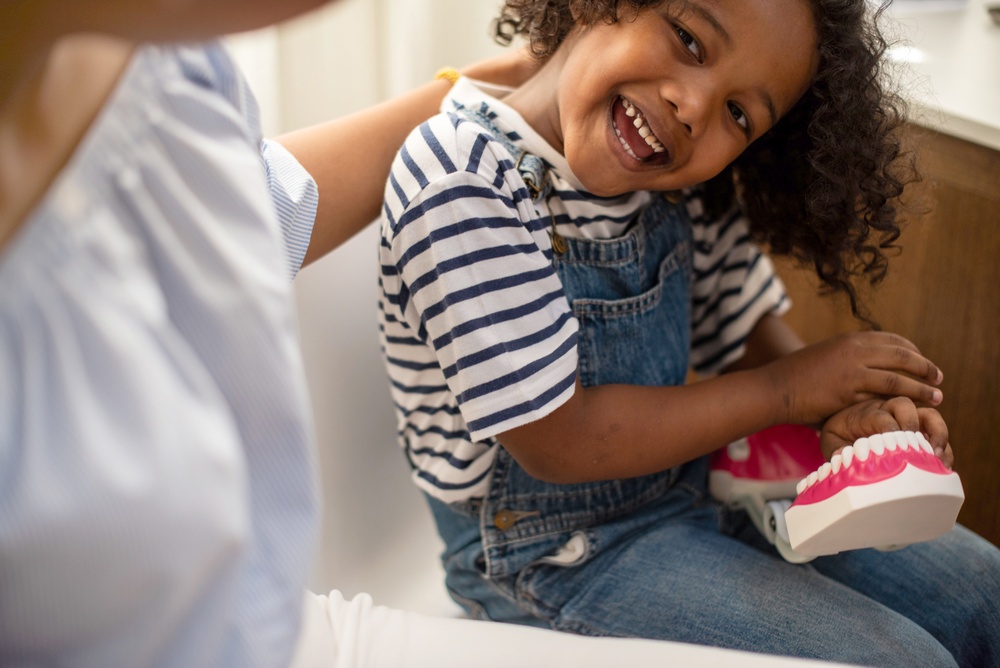
A giggling toddler clutching a model set of teeth makes for a sweet picture, yet that same little mouth is often where trouble begins. Cavities are one of the most common chronic conditions in childhood, and they rarely announce themselves until a tooth already aches. The good news is that almost every one of them is preventable with habits a family can build in a week.
Parents tend to assume baby teeth matter less because they fall out anyway. That assumption is costly. Early cavities can spread infection, cause pain that disrupts sleep and eating, and even shape how adult teeth come in later. Protecting a first smile protects everything that follows.
Cavities begin long before a child can spell them
Decay is a slow process powered by sugar and bacteria. Every time sweet foods coat the teeth, bacteria feast and release acid, and that acid chips away at enamel. Do this often enough without cleaning, and cavities take hold. The earlier a routine starts, the harder it is for that cycle to gain a foothold.
Wiping a baby’s gums with a soft cloth before teeth even appear sets the stage. Once the first tooth arrives, a tiny smear of fluoride toothpaste becomes the daily shield against cavities.
The sneaky foods feeding decay
Sugar hides in places parents rarely suspect. Juice, flavored yogurt, dried fruit, and crackers all linger on teeth far longer than a piece of candy. The problem is not a single treat but constant grazing that keeps the mouth bathed in sugar all day. Timing matters as much as the food itself. Teeth need breaks between meals to recover, so a steady drip of snacks never gives enamel a chance to rebuild. Setting clear meal and snack windows, then closing the kitchen in between, does gentle work that no rinse can match.
Watch for these common triggers.
- Sipping juice or milk slowly from a cup for hours on end
- Falling asleep with a bottle, which pools liquid against the teeth
- Sticky snacks like fruit leather that cling to grooves
- Frequent grazing rather than set meal and snack times
Swapping constant sipping for water between meals starves the bacteria that cause cavities and gives enamel time to recover.
Building a routine that sticks
Consistency beats intensity. Two minutes of brushing, twice a day, does more than any single heroic scrub. Making it playful helps, whether that means a favorite song, a colorful brush, or a chart with stickers for each success.
A simple daily rhythm keeps cavities at bay.
- Brush every morning after breakfast
- Brush again right before bed, never skipping this one
- Help with brushing until a child can tie their own shoes
- Introduce gentle flossing once two teeth touch
- Book a first dental visit by the first birthday
That first visit surprises many families, but early checkups let a professional spot weak spots long before cavities become painful holes. Fluoride treatments and sealants add another layer of defense during those appointments. Older children can take the wheel gradually. Letting a kid brush first, then checking the missed spots afterward, builds independence without sacrificing thoroughness. A quick swipe of the tongue across clean teeth becomes its own reward once the routine sinks in.
Turning prevention into a family habit
Children copy what they see. When brushing becomes a shared moment rather than a chore forced on a reluctant kid, the lesson lasts. Standing at the sink together, making silly faces in the mirror, turns dental care into connection instead of conflict.
The payoff stretches for decades. A child who grows up viewing cavities as avoidable, rather than inevitable, carries that mindset into adulthood and passes it to the next generation. Strong habits protect far more than a single set of teeth.
None of this demands a fortune. A soft brush, a dab of fluoride paste, water instead of endless juice, and a steady bedtime routine cover most of the battle against cavities. The rest is patience, repetition, and the willingness to make a two-minute habit something no one skips.