Cancer and the signals hiding in plain sight
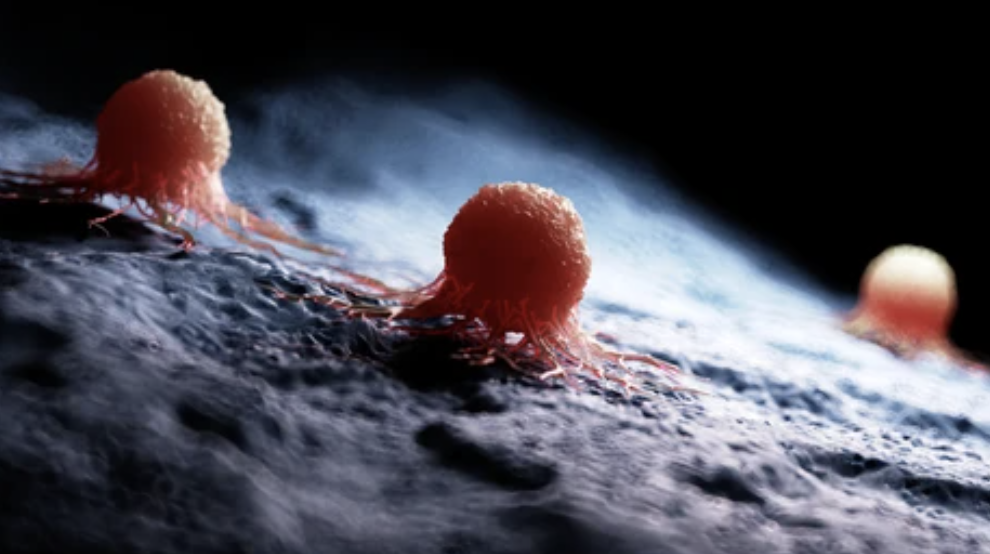
Cancer begins with a single cell. Somewhere inside the body, a genetic error accumulates to the point where normal growth controls fail, and that cell begins dividing without the regulation that keeps tissue orderly, organized, and functional. That process is happening in bodies across the world at this moment, in people who feel entirely well, who have no symptom that would prompt a medical visit, and who are unaware that a population of abnormal cells is quietly establishing itself.
The gap between when the disease begins and when it produces a noticeable symptom is one of its defining features. It is also the gap where the most consequential opportunity for intervention lives. Catching the disease during that silent period, before it has grown large enough to press on structures or shed cells into the bloodstream, is consistently associated with the highest survival rates, the least aggressive treatment requirements, and the broadest range of options available to the patient.
Understanding risk without catastrophizing
Risk is shaped by a combination of factors that include genetics, environmental exposures, lifestyle choices, and biological processes that are not yet fully understood. Having risk factors does not mean developing the disease. Not having them does not guarantee protection. That nuance gets lost in the way cancer is often discussed, which tends toward either dismissal or alarm without much useful middle ground.
Age is the single strongest risk factor for most malignancy types. The longer cells have been dividing and the longer the body has been exposed to potential mutagens, the greater the accumulated probability of an error that evades normal repair mechanisms. This is why cancer incidence rises sharply with age and why screening programs are typically targeted at middle-aged and older adults.
What cancer screening actually does
Screening is designed to find the disease or its precursors before symptoms develop. The logic is simple. A two-centimeter tumor is easier to treat than a ten-centimeter one. A precancerous polyp removed during a colonoscopy never becomes a malignancy. A melanoma identified at stage one has a very different prognosis than one identified at stage four.
Mammography, colonoscopy, low-dose CT scanning for high-risk individuals, cervical cytology, and prostate-specific antigen testing all have different evidence bases, different recommended starting ages, and different conversations worth having with a healthcare provider. None of them is perfect. All of them improve on the alternative of waiting for symptoms to appear.
Lifestyle and cancer prevention
Several lifestyle factors have a well-established relationship with the risk of developing this disease. Tobacco use is responsible for roughly thirty percent of all oncology-related deaths and is the most significant modifiable contributor across all demographic groups. Obesity is the second-largest preventable contributor, associated with at least thirteen malignancy types through mechanisms including chronic inflammation, hormonal dysregulation, and altered immune function.
Physical activity is consistently associated with reduced risk for several types including breast, colon, and endometrial malignancies. The mechanisms are multiple, involving effects on sex hormone levels, inflammatory markers, insulin sensitivity, and immune surveillance. A person does not need to be an athlete for the protective association to apply. Consistent moderate activity produces meaningful differences in cancer risk compared to a sedentary baseline.
Living with the uncertainty
One of the most psychologically demanding aspects of a cancer journey is the uncertainty that surrounds it, both before diagnosis for those who fear they may have it and after treatment for those who have been through it. That uncertainty is real and deserves genuine acknowledgment rather than clinical dismissal or false reassurance.
What evidence consistently supports is that people who engage with their health proactively, maintain regular screening, make the lifestyle choices that reduce modifiable risk, and communicate openly with their providers are better positioned across every measure than those who avoid the conversation entirely. That engagement is itself a form of cancer prevention. Showing up before a symptom demands it is almost always the better path medically, and in most cases the more affordable one.