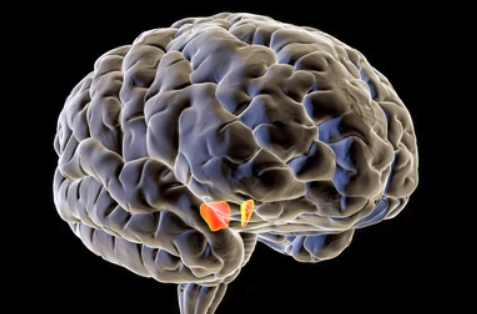
The Impact of Circadian Rhythms on Brain Health raises growing concern as new research connects disrupted daily patterns with structural changes in the brain. Scientists are paying closer attention to how sleep, wake cycles and routine timing may influence cognitive aging over time. What once seemed like a lifestyle detail now appears closely tied to long term brain health.
Circadian rhythms are the body’s internal timing system. They run on a roughly 24 hour cycle and help regulate sleep, alertness and other biological functions. These rhythms respond to external signals like light exposure and daily activity. When they fall out of sync, the effects can extend beyond fatigue.
Circadian and the brain connection
Recent findings published in Alzheimer’s & Dementia The Journal of the Alzheimer’s Association highlight a possible link between fragmented daily rhythms and changes in brain structure among older adults. The research focused on areas tied to memory and emotion, including the hippocampus and amygdala.
The concern is not limited to sleep quality alone. Instead, it centers on how consistent or irregular a person’s overall daily rhythm appears over time.
How the research was conducted
Participants in the study wore wrist based activity trackers for several days to measure rest and movement patterns. Researchers then used brain imaging to compare structural differences in key regions associated with cognitive function.
The goal was to identify whether irregular daily patterns aligned with measurable changes in brain volume. This approach allowed scientists to move beyond self reported sleep habits and examine physical data tied to long term brain health.
What the findings suggest
The results pointed toward a clear pattern. Individuals with more stable daily rhythms tended to show greater brain volume in memory related regions. Those with more fragmented patterns showed greater shrinkage in areas linked to cognition and emotional regulation.
Researchers noted that disrupted rhythms may appear before structural changes become visible. That raises the possibility that circadian instability could act as an early indicator rather than a late stage outcome.
While the study does not claim direct causation, it strengthens the connection between routine stability and brain preservation over time.
Why circadian rhythm matters in aging
As people age, maintaining cognitive health becomes a central concern. Memory changes, slower processing and emotional shifts are often associated with aging, but researchers are now exploring how lifestyle factors may influence those changes.
Medical experts involved in the study emphasized that preserving brain volume is closely tied to quality of life. Memory, mood and daily functioning all rely on healthy brain structure.
The findings suggest that circadian patterns may be one of several modifiable factors that can support healthier aging.
How daily rhythm can be supported
Maintaining a steady circadian rhythm does not require complex interventions. Consistency plays a central role. Waking up and sleeping at similar times each day helps anchor the body’s internal clock.
Morning light exposure strengthens alertness signals. Regular physical activity supports energy balance throughout the day. Stable meal timing also reinforces daily rhythm patterns.
Limiting late caffeine intake and avoiding irregular naps can further reduce disruption. For some individuals, addressing sleep conditions such as insomnia or sleep apnea may also be important in restoring balance.
These habits work together to stabilize the body’s timing system over time.
A broader view of brain health
The research adds to a growing understanding that brain health is influenced by everyday patterns rather than isolated factors. Sleep is not just rest. It is part of a larger system that includes movement, light exposure and routine structure.
While more research is needed to understand the full relationship, the current evidence points toward consistency as a protective factor. Small disruptions repeated over time may carry more weight than previously thought.
Conclusion on circadian health
The connection between circadian rhythms and brain health is becoming harder to ignore. Emerging studies suggest that fragmented daily patterns may be linked to changes in brain regions responsible for memory and emotion.
While aging cannot be avoided, daily rhythm may offer one area where small habits make a meaningful difference. Stability in sleep and activity patterns could help support cognitive health well into later life.