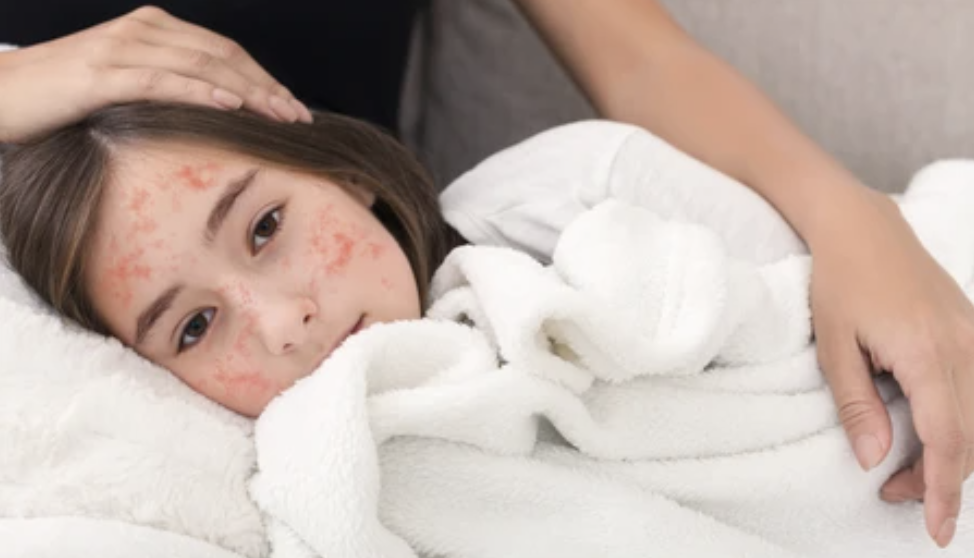
A growing measles outbreak in Pennsylvania has sickened 767 people so far this year and is now shaping everyday decisions for families across the Philadelphia region, from when to vaccinate a newborn to whether a trip to a nearby county is worth the risk. Four deaths have already been tied to the outbreak, including two infants in Lancaster County, and health officials say the true number of cases is likely higher than what has been confirmed.
Why are parents changing their daily routines over this outbreak?
For a lot of families, the shift started small. One nurse from Delaware County began asking friends and relatives whether they had recently traveled to Lancaster before letting them near her one year old son. A mother in Chester County who visited Lancaster while nine months pregnant now avoids the area entirely and thinks twice before taking her children to crowded local events. These are not extreme reaction for measles. They reflect a broader pattern among parents trying to protect children too young to be fully vaccinated in a region where crossing county lines for work, shopping or family visits is simply part of daily life.
How dangerous is measles for young children specifically?
Measles remains one of the most contagious diseases known, capable of infecting nine out of ten unvaccinated people who are exposed. In severe cases it can cause pneumonia, permanent hearing or vision loss, and swelling of the brain that leads to lasting damage. None of the four Pennsylvanians who died this year of measles were vaccinated, a detail state health officials have emphasized repeatedly as they push families toward earlier immunization.
Is the Philadelphia region actually at risk right now?
Chester County remains the only county in the immediate Philadelphia area with confirmed cases, but the picture underneath that number is more complicated. An Inquirer analysis found that roughly 40% of kindergartens across Philadelphia and its four surrounding suburban counties fell below the 95% vaccination threshold needed for herd immunity during the last school year, up sharply from about a third the year before. That decline matters because it leaves pockets of vulnerable children scattered throughout a densely populated region where the virus can travel easily.
What are health officials recommending for infants and toddlers?
Pennsylvania is now urging a so called dose zero vaccination for children as young as six months old in counties touched by the outbreak, followed by additional doses at one year and again between four and six years old. Pediatricians say fully vaccinated, healthy children generally do not need to change much about their daily routines, but families with immunocompromised, pregnant or too young to vaccinate members are being told to think more carefully about exposure risk in public spaces like daycare centers, festivals and community pools.
Why are some parents rethinking daycare and school altogether?
Several mothers interviewed said they have delayed daycare enrollment entirely, choosing to quit jobs or restructure their work schedules rather than risk exposure in a setting they cannot fully control. One parent said the measles outbreak has her reconsidering homeschooling down the line, while another described the current moment as forcing families to weigh basic freedoms, like socialization and normal childhood milestones, against a disease many assumed had been solved decades ago.
Pediatricians say the underlying message has not changed even as anxiety grows. Measles vaccination remains the most reliable way to protect both individual children and the broader community, particularly the infants and immunocompromised residents who cannot get vaccinated themselves.
This is a developing public health situation, and if you or someone you know has questions about vaccination status or possible exposure, contacting a pediatrician or local health department directly remains the most reliable source of guidance.