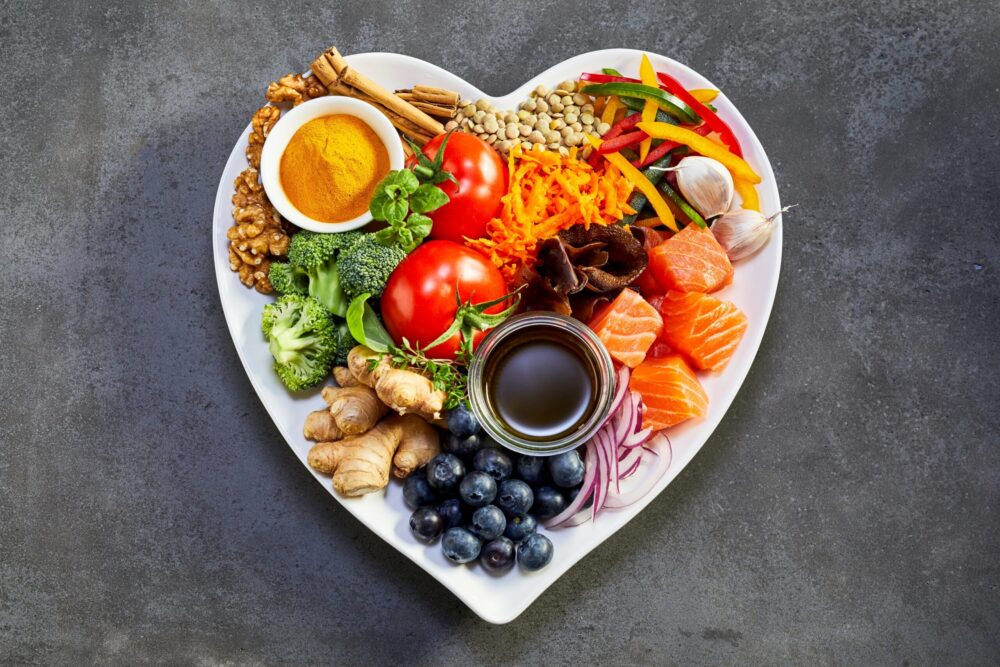
Small daily habits, not extreme diets, are what actually protect your heart over time, according to updated 2026 guidance from the American Heart Association. Heart disease remains the leading cause of death in the United States, but doctors say most cases are preventable through consistent lifestyle choices rather than dramatic overhauls.
Why does heart health matter right now?
More than half of American adults currently live with some form of cardiovascular disease, driven in part by high rates of health factors including high blood pressure, diabetes and obesity that are often linked to lifestyle behaviors, particularly poor dietary habits and physical inactivity. That statistic sounds alarming, but researchers point to a more hopeful side of the data. The American Heart Association’s newest dietary guidance notes that early and consistent adoption of healthy eating, alongside other healthy lifestyle behaviors, could help prevent up to 80% of heart disease and stroke, which means the outcome is largely within a person’s control.
What habits actually protect the heart?
Physicians across multiple cardiology practices point to seven core habits that consistently show up in heart health research. None of them require a gym membership or a complicated meal plan.
- Eat mostly whole foods including vegetables, fruits, whole grains and lean protein, while limiting sodium, added sugar and ultraprocessed snacks.
- Move your body throughout the day, aiming for at least 150 minutes of activity a week, which can be broken into short walks rather than one long workout.
- Avoid smoking and vaping, since tobacco use raises disease risk by two to four times.
- Maintain a healthy weight, since losing just 5% of body weight can meaningfully lower blood pressure and cholesterol.
- Prioritize 7 to 9 hours of sleep a night, since poor sleep is tied to higher rates of hypertension and heart attack.
- Manage stress through activities like walking, prayer, music or time with family, since chronic stress keeps blood pressure elevated.
- Practice good oral hygiene, since gum inflammation has been linked to higher rates of heart attack and stroke in multiple studies.
Is there a new twist on this advice for 2026?
Yes. The American Heart Association’s updated dietary statement shifts the focus away from counting individual nutrients and toward sustainable eating patterns a person can keep for life. The guidance leans heavily on plant based proteins like beans, lentils and nuts, and it encourages swapping saturated fats for unsaturated ones found in olive oil and avocados. Doctors involved in the update describe it as a long game rather than a quick fix, and they stress that small swaps made consistently outperform short bursts of extreme dieting.
Do small changes really make a difference?
Cardiologists say yes, and the data backs it up. A diet centered on fruits, vegetables, whole grains and lean protein has been shown to lower heart disease risk by roughly 31%, while a Western style diet heavy in red meat and refined carbs raises risk by about 14%. Sleep habits matter too. People who get 7 to 8 hours a night show measurably lower rates of heart disease compared with people who consistently sleep less.
What should someone do next?
Anyone managing risk factors like high blood pressure, high cholesterol or a family history of heart disease should talk with a primary care doctor or cardiologist before making major changes. A yearly cardiovascular checkup remains one of the simplest ways to catch problems early, and most of these seven habits can be layered into an existing routine without requiring a complete lifestyle reset.