Physically demanding jobs carry health risks that often go unaddressed for years
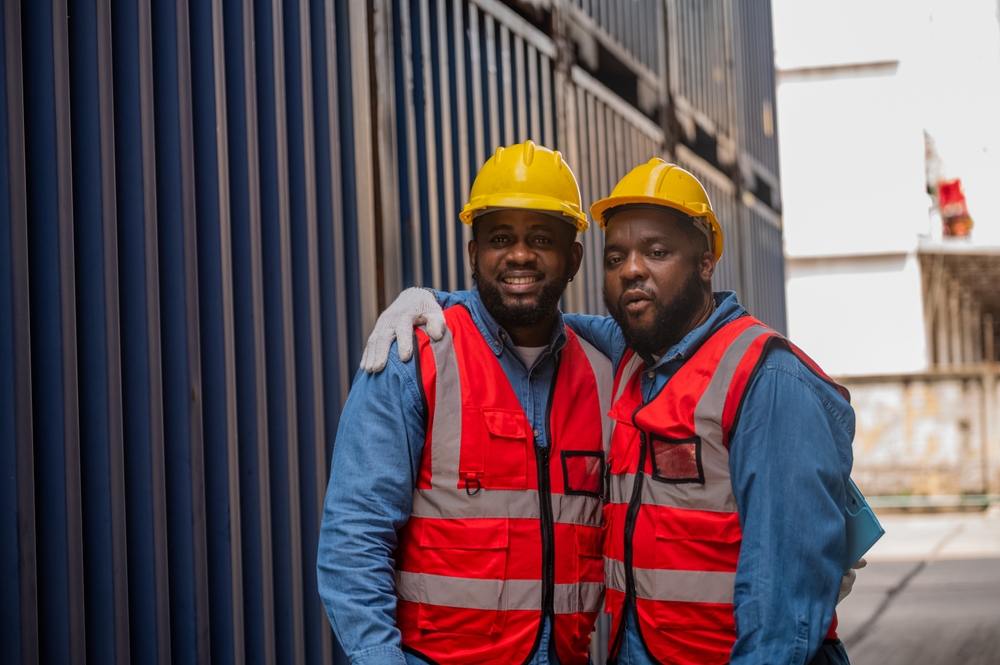
Black men remain heavily represented in physically demanding fields, including construction, warehousing, manufacturing and transportation. These essential workers keep the country running, but the jobs also carry health risks that often go unaddressed for years. Understanding those risks, along with the safety habits that protect employees over the long run, can make a lasting difference across an entire career.
The health risks facing workers in demanding jobs
1. Chronic back and joint strain
Repetitive lifting, bending and standing for long shifts place steady pressure on the spine and joints of employees in these roles. Over years, this strain can develop into chronic pain that many workers accept as routine rather than seeking treatment early.
2. Hearing damage from workplace noise
Constant exposure to loud machinery, especially without consistent use of protective gear, gradually causes hearing loss that many employees notice too late to fully reverse.
3. Respiratory issues from dust and chemical exposure
Manufacturing, construction and warehouse environments frequently expose workers to dust, fumes or airborne particles daily, raising long-term respiratory risk that can take years to fully surface.
4. Elevated blood pressure tied to job stress
Physically demanding roles often come paired with high stress, a combination linked to elevated blood pressure and greater cardiovascular risk, particularly for employees already facing documented disparities in heart health.
5. Heat-related illness
Outdoor and poorly ventilated indoor environments raise real risk of heat exhaustion or heat stroke, especially when workers push through peak summer heat without adequate breaks.
6. Sleep disruption from shift work
Rotating or overnight shifts frequently disrupt normal sleep cycles for employees, a pattern tied to long-term risks including obesity, diabetes and heart disease among those who stay on irregular schedules for years.
Why these risks hit Black workers particularly hard
Black men are statistically overrepresented in the country’s most physically demanding industries, jobs that carry higher injury rates and greater long-term health risk than many white-collar fields. That overrepresentation, paired with well-documented disparities in access to preventive healthcare, means these employees often face job-related risks with fewer resources to catch problems early.
Workers in these fields are also less likely to have flexible schedules or paid time off for medical appointments, a barrier that frequently delays treatment until symptoms become harder to ignore. Addressing these disparities requires attention both from healthcare providers and from workplaces themselves, since neither piece alone fully solves the problem for the employees most affected.
Safety habits that make a real difference
1. Use protective equipment consistently
Hearing protection, respiratory masks and proper lifting gear only protect workers when used every shift, not just when supervisors are actively checking.
2. Schedule regular checkups
Many of these health risks develop quietly over years. Regular checkups give employees an early warning system, catching elevated blood pressure or reduced lung function before they progress into serious conditions.
3. Prioritize proper lifting technique
Using legs rather than the back to lift heavy loads significantly reduces long-term strain on the spine, a small habit change that pays off for workers over a full career.
4. Stay hydrated and take heat breaks seriously
Scheduled hydration and shade breaks during hot shifts meaningfully reduce heat-related illness risk for employees, even when a job’s pace feels rushed.
Why proactive care matters most
Workers who speak up about pain, fatigue or breathing issues early, rather than waiting for symptoms to worsen, give doctors the best chance to catch problems while they remain manageable. That kind of proactive communication matters even more for employees already facing barriers to consistent healthcare access.
Employers also carry real responsibility here, from providing proper safety equipment to building in rest periods during extreme conditions. But workers who stay proactive about their own health, through regular checkups and consistent use of protective gear, put themselves in the strongest position to have long, healthy careers in demanding fields.