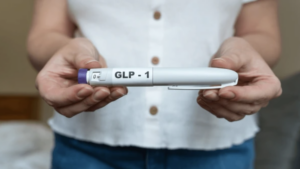
GLP-1 medications have transformed the way many people manage Type 2 diabetes, helping improve blood sugar while supporting meaningful weight loss. Drugs such as semaglutide and tirzepatide have become widely used because they address multiple aspects of the condition at the same time, making them valuable tools for long term care.
Even so, many patients discontinue treatment within the first year. Side effects including nausea, vomiting and fatigue can make staying on the medication difficult. Others stop because of the financial burden, especially if insurance coverage changes or medication costs become too expensive.
Health experts say ending GLP-1 therapy involves more than simply stopping a prescription. Without the medication’s ongoing effects, some people experience weight regain along with worsening blood sugar control and other metabolic changes that may increase the risk of long term health complications.
Weight loss supports better diabetes management
Maintaining a healthy weight is one of the most effective ways to improve Type 2 diabetes. Even modest weight loss can help reduce excess abdominal fat, which is closely linked to inflammation and insulin resistance.
As body weight decreases, many people become more responsive to insulin, allowing glucose to move more efficiently from the bloodstream into cells. This often results in improved A1C levels and more stable blood sugar throughout the day.
Weight loss can also contribute to lower blood pressure, healthier cholesterol and triglyceride levels and a reduced risk of cardiovascular disease, which remains one of the leading concerns for people living with Type 2 diabetes.
For some individuals, improved metabolic health may even allow physicians to reduce other diabetes medications while continuing to monitor blood sugar closely.
Weight regain is common after stopping treatment
Medical experts say weight regain is one of the most frequently observed changes after discontinuing GLP-1 medications.
These drugs help regulate appetite, slow stomach emptying and improve feelings of fullness. Once treatment ends, those effects gradually disappear. Hunger signals often become stronger, digestion returns to its previous pace and calorie intake may naturally increase.
Research has found that many people regain a significant portion of the weight they lost within the first year after stopping therapy, while others continue regaining weight over the following months.
Because obesity is considered a chronic condition, specialists note that long term management often requires continued treatment or other strategies designed to maintain weight loss.
Blood sugar levels may begin rising again
GLP-1 medications help regulate blood glucose through more than weight loss alone.
They stimulate insulin release when blood sugar rises while also reducing glucagon, a hormone that can increase glucose levels. These effects work together to improve blood sugar control throughout the day.
After treatment stops, this medication support is removed. Blood sugar levels may increase even before substantial weight regain occurs because the body is no longer receiving the same hormonal assistance.
Experts describe this response as a metabolic rebound, which has become increasingly recognized among people discontinuing GLP-1 therapy.
Heart and kidney risks may increase
Maintaining healthy blood sugar and body weight plays an important role in protecting the heart and kidneys.
As weight returns and blood glucose becomes harder to control, some of the cardiovascular and metabolic improvements achieved during treatment may gradually decline. Blood pressure, cholesterol and other markers associated with heart health may also move back toward previous levels.
Because people with Type 2 diabetes already face elevated risks of heart disease and kidney complications, maintaining these improvements remains an important part of ongoing care.
Physical activity becomes even more important
Experts recommend regular exercise as one of the most effective ways to help maintain weight after stopping GLP-1 medications.
Most adults benefit from aiming for 200 to 300 minutes of moderate physical activity each week. Walking, cycling, swimming and other enjoyable activities can all contribute to long term success.
Strength training is equally valuable because it helps preserve muscle mass, supports metabolism and improves overall health during weight maintenance.
Healthy habits can slow weight regain
Lifestyle habits remain essential whether someone continues taking a GLP-1 medication or stops treatment.
Choosing nutrient dense foods, limiting heavily processed meals and monitoring eating habits may help prevent gradual weight gain. Regularly checking body weight and activity levels can also make it easier to recognize small changes before they become more difficult to reverse.
Although researchers continue studying the best strategies for people discontinuing GLP-1 therapy, consistent healthy habits remain widely recommended.
Treatment plans should be personalized
Experts emphasize that stopping a GLP-1 medication should not always be an all or nothing decision.
For some patients, adjusting the dosage or switching to another medication may provide similar health benefits while reducing side effects. Others may benefit from a gradual transition rather than stopping abruptly.
Healthcare providers generally recommend monitoring body weight, appetite, blood sugar, physical activity and muscle strength throughout the process. Patients who discontinue treatment because of cost may also qualify for manufacturer assistance programs or other financial support that can reduce medication expenses.
As GLP-1 medications continue reshaping diabetes care, specialists stress that they work best as part of a comprehensive, long term treatment plan. For people living with Type 2 diabetes, maintaining healthy lifestyle habits and working closely with a healthcare provider can help reduce the chances of weight regain and preserve the progress achieved during treatment.