Dietary guidelines around protein have stayed largely unchanged for decades, but a new perspective paper is pushing experts to reconsider what optimal intake actually looks like. Published in Frontiers in Nutrition, the paper argues that many adults could benefit from consuming meaningfully more protein than current recommendations suggest, with some researchers pointing to a target as high as 1 gram per pound of body weight for certain individuals.
Why the current guidelines may fall short
Existing federal guidance recommends roughly 0.75 to 0.8 grams of protein per kilogram of body weight daily, or about 0.34 to 0.36 grams per pound. Researchers behind the new paper, including a nutrition scientist from the University of Cambridge, note that this baseline was designed primarily to prevent deficiency rather than to support optimal health or longevity. That distinction matters, they argue, because avoiding deficiency and thriving long term are not the same goal.
The paper suggests that certain groups stand to benefit most from higher intake. Physically active adults, older adults and pregnant individuals are highlighted as populations that may need more protein to support muscle recovery, preserve strength and maintain bone density as they age.
Three benefits linked to higher protein intake
The paper outlines several reasons increased protein consumption may be worth prioritizing. First, higher intake can speed muscle recovery after exercise, a factor especially relevant for athletes and active adults. Second, protein plays a role in weight management, helping the body maintain fat loss and preserve lean muscle mass during calorie restriction. Third, adequate protein supports bone health, with research linking sufficient intake to stronger bone density and a lower risk of fractures later in life.
Registered dietitians say these benefits underscore why a one size fits all recommendation may not serve everyone equally. Individual needs vary based on age, activity level and overall health status, meaning older adults or those managing chronic conditions may require intake levels tailored specifically to their circumstances.
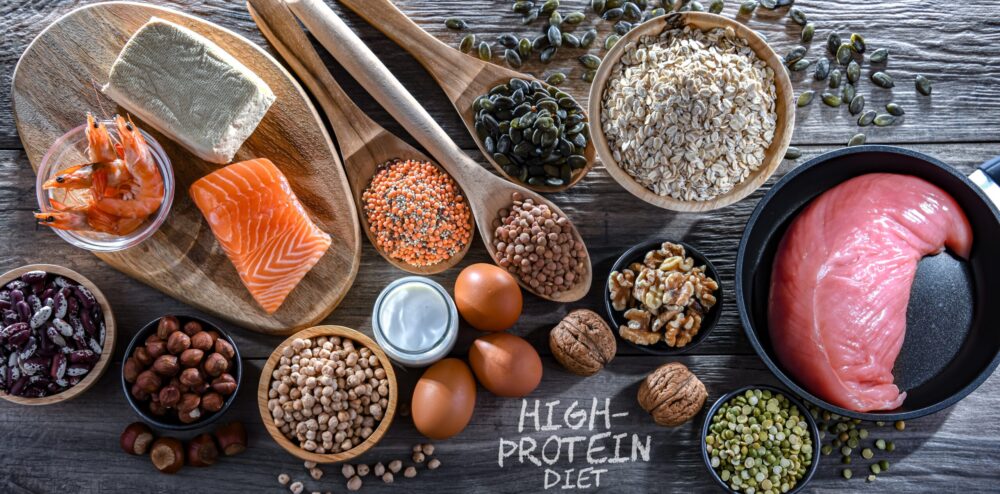
For those looking to increase intake, dietitians generally suggest a range of 1.2 to 1.6 grams per kilogram of body weight, depending on activity level. Translating that guidance into daily meals does not require a dramatic overhaul. Breakfast options like eggs or Greek yogurt offer an easy starting point, while lunch and dinner can incorporate lean proteins such as chicken, fish, beans or lentils. Snacks including cottage cheese with berries, hummus with vegetables or a quality protein bar can help close any remaining gap.
Nutrition experts caution that protein should not come at the expense of other nutrients. A diet overly focused on its risks crowding out the vitamins and minerals found in fruits, vegetables and whole grains, all of which remain essential for overall health.
Quality matters as much as quantity
Not all protein sources are created equal, according to the paper’s authors. Processed meats and foods high in saturated fat can raise cardiovascular risk even as they boost its numbers on a label. Instead, experts recommend prioritizing lean meats, fish, legumes, nuts and seeds as primary sources. Fiber rich foods are also important additions, particularly for supporting gut health as protein intake rises.
Exercise remains part of the equation
Protein alone is not the full picture. Researchers emphasize that pairing higher intake with regular physical activity, particularly resistance training, produces the greatest benefit for muscle maintenance and long term health. Without exercise, additional protein may do less to support strength and mobility over time.
The paper’s broader message is that dietary guidelines built decades ago to prevent deficiency may no longer reflect what’s needed for people aiming to age well and stay active. As more research emphasizes longevity alongside basic nutrition, experts say individualized guidance, rather than a single blanket number, may better serve people’s long term health goals.
Anyone considering a significant increase in protein intake is encouraged to consult a registered dietitian or health care provider to determine an approach suited to their specific needs.