The secret may be sitting right in your living room
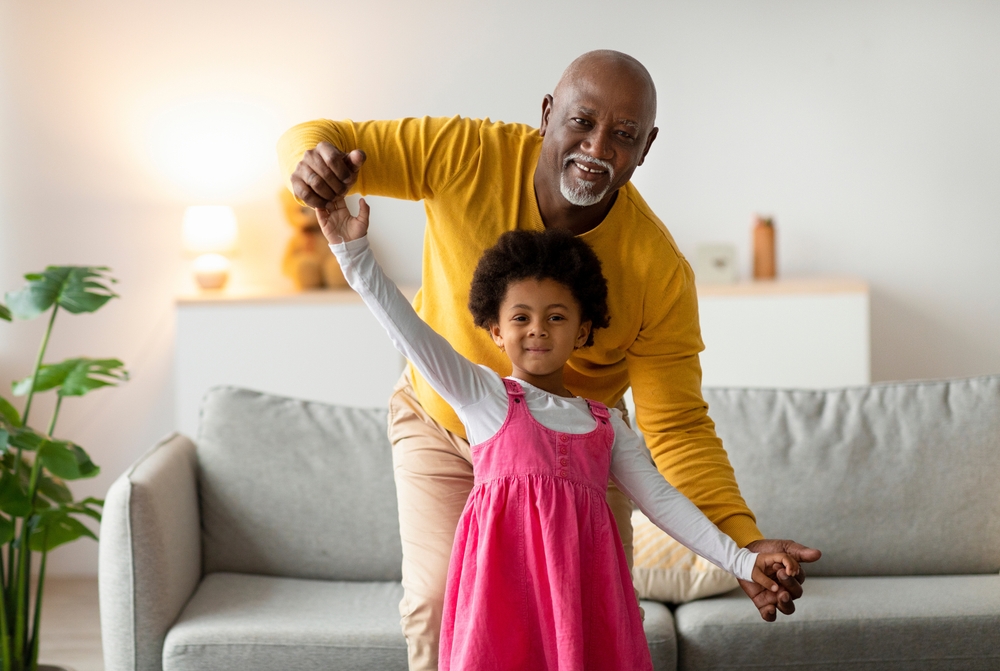
Every afternoon around four, a familiar scene plays out in living rooms far beyond one household — a grandparent kneels down, arms open, ready to spin a small child across the carpet. It looks like nothing more than play. Scientists studying aging say it might be one of the most powerful health interventions no one ever prescribed.
A growing body of research into longevity has zeroed in on an unexpected variable — the presence of purpose that comes from caring for younger generations. Older adults who regularly spend time with grandchildren, whether through daily pickups, weekend visits or simple shared routines, report lower rates of depression, sharper cognitive function and, in several long-term studies, measurably longer lifespans than peers who live in isolation.
The Purpose Prescription
Researchers have long known that loneliness accelerates decline in older adults, raising the risk of heart disease, dementia and early death by as much as 30%. What is newer is the counterweight — a documented protective effect tied specifically to purpose. Having someone who depends on you, even for something as small as a bedtime story, appears to activate the same psychological resilience that keeps working professionals sharp well into their later years.
One widely cited Boston-area study followed retirees over two decades and found those who provided regular childcare for grandchildren lived, on average, longer than those who did not, even after adjusting for income, health history and mobility. The effect held whether the grandparent lived nearby or simply spoke by phone every few days.
More Than Just Babysitting
The benefits are not limited to the older generation. Children raised with consistent grandparent involvement tend to show stronger emotional regulation and higher self-esteem, developmental psychologists who track family structures over time have found. The relationship, in other words, runs both directions.
What makes the bond so effective, researchers argue, is its low stakes and high warmth. Unlike parenting, grandparenting rarely carries the daily pressure of discipline or provision. That freedom allows for a kind of unhurried attention that many working parents simply cannot offer, and it gives older adults a reason to get up, get dressed and stay engaged with the world.
Doctors who study healthy aging point to a short list of habits that consistently show up in people who live well into their 90s.
- A defined sense of purpose tied to another person’s wellbeing
- Regular light physical activity, often disguised as play
- Frequent, low-pressure social contact
- A daily routine anchored to someone else’s schedule
Grandparenting checks nearly every box on that list without requiring a gym membership or a strict diet.
A Longer, Fuller Life
None of this means isolated older adults are destined for decline, and family structures vary widely across communities. But the pattern is consistent enough that geriatric specialists now recommend intentional intergenerational contact the same way they recommend exercise or a balanced diet. A weekly video call, a standing Sunday dinner or a shared hobby with a younger relative can serve the same protective function as a formal purpose-driven program.
The dance in the living room, then, is not just a sweet moment to capture. It may be a quiet form of medicine, one built on connection rather than prescription. For families looking for a simple way to support an aging parent or grandparent, the advice from researchers is refreshingly low-tech — show up, stay close and let purpose do the rest.