Hearing loss was once considered an inevitable feature of aging, something that arrived quietly in the later decades of life and was simply accepted as part of getting older. That picture has shifted considerably. Audiologists and public health researchers are now tracking a troubling rise in noise-induced hearing loss among people in their twenties and thirties, a trend they attribute largely to the way modern life surrounds people in sound.
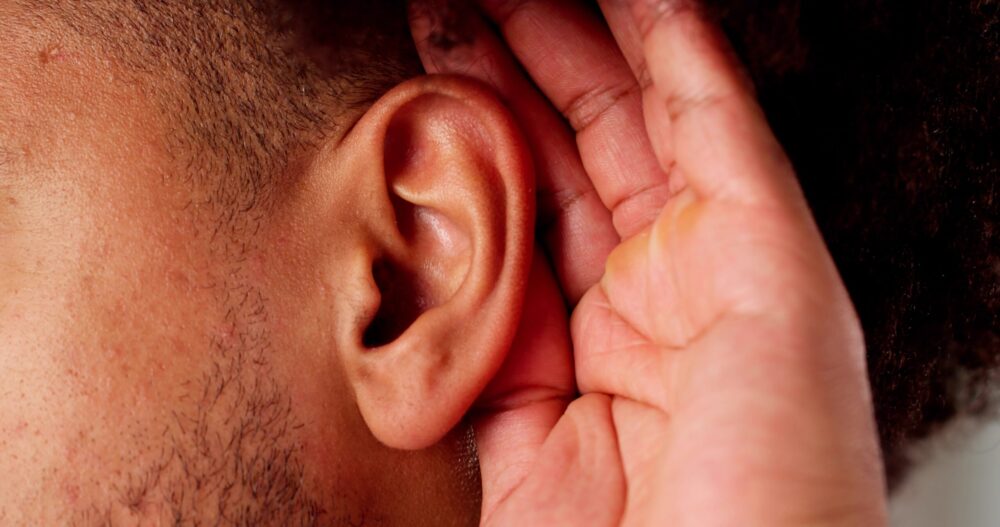
The ear is a remarkably precise instrument, but it has limits. Prolonged or intense exposure to loud noise damages the delicate hair cells inside the cochlea, the spiral-shaped structure deep in the inner ear responsible for converting sound waves into the electrical signals the brain interprets. Once those cells are damaged, they do not regenerate.
What counts as too loud
Sound is measured in decibels, and the risk of damage rises steeply with intensity. Normal conversation sits around sixty decibels and poses no threat. A lawn mower operates near ninety decibels, which can cause harm after sustained exposure. Live music concerts, crowded nightclubs, and power tools can push well past one hundred decibels, a level where damage can occur within minutes.
The emergence of wireless earbuds and headphones has created a new category of risk. People frequently listen at volumes that exceed safety thresholds without realizing it, particularly in noisy environments where they compensate by turning the volume up to hear clearly over background sound.
Recognizing the early warning signs
Hearing loss does not always announce itself dramatically. A ringing or buzzing sound in the ears after loud noise exposure, known as tinnitus, is often the first indication that damage has occurred. Many people experience temporary tinnitus after a concert or a night out and dismiss it as fleeting. Repeated episodes, however, signal that cumulative damage is building.
Difficulty following conversations in noisy rooms, frequently asking people to repeat themselves, and needing higher television volume than others in the room are all common early signs of hearing decline.
Protecting what you have
The simplest and most effective protection against noise-induced hearing loss is limiting exposure duration and volume. Following what audiologists call the sixty-sixty rule, keeping earphone volume at no more than sixty percent of maximum for no longer than sixty minutes at a time, provides a reasonable baseline for safer listening habits.
Earplugs remain an inexpensive and effective tool for high-exposure environments. Custom-fitted options available through audiologists offer even better protection at concerts or on job sites with sustained noise above safe levels.
Regular hearing assessments, particularly for people over forty or those with significant noise exposure histories, provide an early baseline that makes it easier to track changes over time.