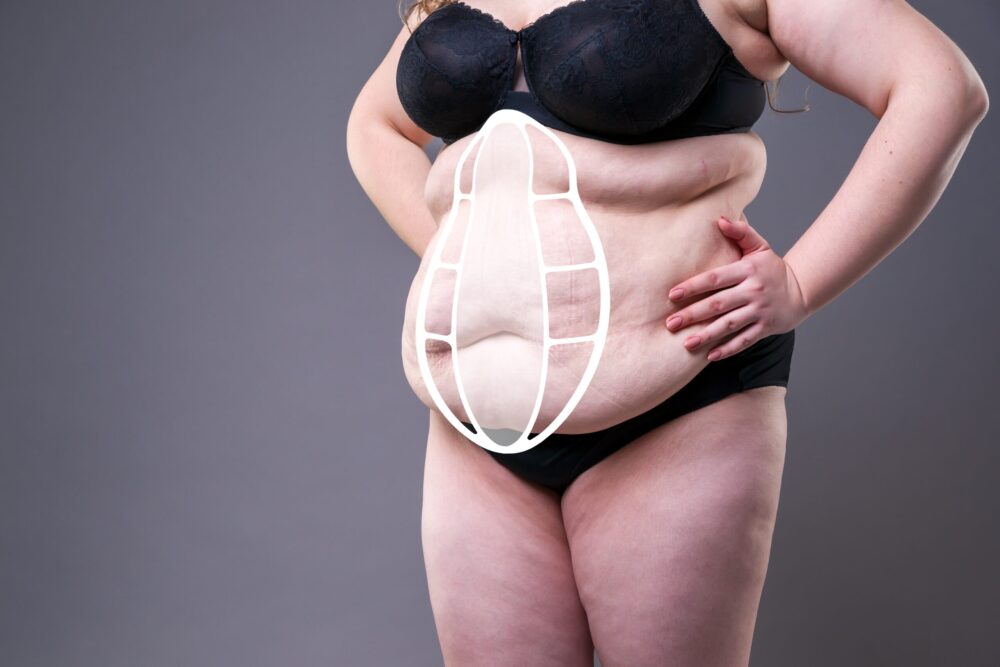
Obesity is widely associated with serious internal health conditions including heart disease, diabetes, and sleep disorders, but its effects on the skin are far less discussed despite being equally significant. The skin is the body’s largest organ, and carrying excess weight creates a cascade of physical changes that make it more vulnerable to irritation, infection, and chronic conditions that can meaningfully affect quality of life.
Understanding how obesity affects the skin and which specific conditions are most likely to develop gives patients and their care teams a clearer picture of what to monitor and address proactively.
How obesity changes the skin barrier
As body weight increases, skin folds develop in areas where skin presses and rubs against itself. The armpits, groin, the area beneath the breasts, and the inner thighs are among the most commonly affected locations. These folds trap moisture, heat, and bacteria in ways that create an ideal environment for irritation and infection to take hold.
Over time, obesity can structurally alter the skin barrier, which is the outermost layer of skin that functions as a protective shield against pathogens and environmental irritants. A compromised barrier results in skin that is drier, less able to heal from minor wounds, and significantly more susceptible to bacterial and fungal invasion. The depth and number of skin folds directly correlates with the level of risk, making consistent hygiene and early treatment of any irritation critical components of skin health management in people with obesity.
Stretch marks and the breakdown of skin elasticity
Stretch marks are among the most visible obesity related skin changes and develop when the skin expands more rapidly than its underlying proteins can accommodate. The proteins collagen and elastin, which give skin its strength and flexibility, can rupture under the pressure of rapid expansion. As the skin heals in those areas, stretch marks form.
They most commonly appear around the stomach, breasts, hips, buttocks, and thighs, which are the areas where excess fat tends to accumulate and shift the shape of the body most dramatically. Stretch marks are not painful, but they can be distressing in appearance and do not always fade substantially with time or with weight loss. They may present as irregular bands, parallel strips of thinned reddened skin, or over time take on a paler, scar-like appearance.
Skin darkening linked to insulin resistance
A condition called acanthosis nigricans is a skin change closely associated with obesity and insulin resistance. It produces dark, velvety patches of discoloration in the folds and creases of the skin, most commonly appearing in the armpits, groin, and neck. As the condition progresses, the affected skin can thicken, become itchy, and develop an unpleasant odor.
Insulin resistance, which occurs when the body cannot effectively use insulin to process blood sugar, is a significant driver of this condition. Obesity increases the likelihood of insulin resistance developing, and the resulting hormonal disruption can trigger excess skin cell growth and abnormal pigmentation. Managing blood sugar levels and addressing underlying insulin resistance can sometimes reduce the appearance of these patches, though they do not always clear completely. Treatment options include topical prescription agents to address pigmentation, antibiotic creams to reduce odor and discomfort, and retinoid treatments introduced gradually to help normalize skin cell turnover.
Skin infections and the risk of cellulitis
Bacterial skin infections are disproportionately common among people with obesity, driven by a combination of impaired barrier function, reduced lymphatic drainage, chronic low-grade inflammation, and the warm, moist conditions created by skin folds. The bacteria most often responsible belong to the streptococcal and staphylococcal families and typically enter the skin through small cracks or breaks.
Cellulitis, a deeper bacterial infection of the skin and underlying tissue, is one of the more serious infection risks associated with obesity. It most frequently develops across the lower legs but can spread to the face or arms. When left untreated, it can advance into the bloodstream and lymphatic system, with potentially life-threatening consequences in severe cases.
Beyond bacterial infections, obesity increases the risk of fungal overgrowth, particularly candida yeast infections, which thrive in the warm and moist environment of deep skin folds. Inflammatory skin conditions including psoriasis and eczema are also more prevalent in people with obesity, likely compounded by the chronic systemic inflammation that excess weight produces throughout the body. Keeping affected areas clean, dry, and treated at the first sign of irritation remains the most effective preventive strategy available.