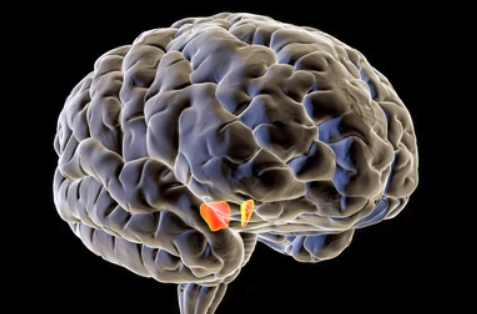
Cognitive health is not something most people think about seriously until they notice something is wrong. A word that will not come. A name that slips away. A thought that feels slower than it should. By the time those moments appear, the biological processes behind them have typically been underway for years, sometimes decades, operating silently beneath the surface of an otherwise functional life. This is what makes proactive brain protection one of the most important and most neglected dimensions of preventive health.
The brain changes continuously throughout life in response to sleep, nutrition, physical activity, stress, social engagement, and the cumulative effects of inflammation. Neuroplasticity, the brain’s capacity to reorganize itself and form new connections, remains active well into older age, which means the habits a person builds today are actively shaping the cognitive landscape they will inhabit decades from now.
What happens inside the brain during deep sleep
The glymphatic system, a waste-clearance network that operates primarily during deep slow-wave sleep, flushes metabolic byproducts from brain tissue, including amyloid beta and tau proteins strongly associated with Alzheimer’s disease pathology. When sleep is poor, fragmented, or chronically insufficient, this clearance system is significantly impaired. Toxic proteins accumulate, cognitive performance declines, and the structural changes that precede dementia proceed more rapidly than they would in a brain receiving adequate rest.
Research tracking people over long periods consistently finds that chronic sleep deprivation in midlife is one of the strongest modifiable predictors of cognitive decline later in life. The brain does not simply recover from accumulated sleep debt. It carries the biological cost of it in measurable structural and functional ways.
Why inflammation is the cognitive brain’s silent enemy
Neuroinflammation, chronic low-grade inflammation inside brain tissue, is now understood to be a central mechanism in Alzheimer’s disease, Parkinson’s disease, and a range of other neurodegenerative conditions. The sources that drive neuroinflammation are largely lifestyle-related: poor diet, physical inactivity, chronic stress, disrupted sleep, and social isolation all increase inflammatory signaling that over time damages neurons and disrupts cognitive function in ways that are measurable before any clinical symptom appears.
Rather than waiting for symptoms, the most effective strategy involves reducing systemic inflammation through dietary choices, physical activity, and stress regulation. Omega-3 fatty acids, polyphenol-rich plant foods, and regular aerobic exercise all reduce neuroinflammatory markers in ways that directly support long-term cognitive resilience.
What physical exercise does for the brain
Exercise is arguably the most well-supported cognitive intervention available. Aerobic activity consistently promotes the release of brain-derived neurotrophic factor, a protein that supports neuron growth, survival, and connection. Regular exercise increases hippocampal volume, the brain region most critical for memory and spatial navigation, in ways that neither diet nor mental training alone replicates.
Research on cognitively active older adults finds that those who maintained regular physical activity across midlife retain significantly more brain volume, processing speed, and executive function compared to sedentary peers. Thirty minutes of moderate aerobic activity most days of the week produces meaningful cognitive benefits that compound across years and decades.
What your brain needs that most diets miss
The brain consumes roughly twenty percent of total body energy while representing only two percent of its weight. It is specifically sensitive to the availability of omega-3 fatty acids, particularly DHA, choline, magnesium, B vitamins, and antioxidant compounds. Deficiencies in any of these, common in diets high in ultra-processed foods, are associated with accelerated cognitive aging and impaired neuroplasticity.
Building a diet deliberately oriented toward brain protection means prioritizing fatty fish, eggs, leafy greens, nuts, seeds, and colorful vegetables. These are not exotic recommendations. They are the nutritional foundations the cognitive system requires to sustain the repair, connection, and cleanup processes that keep it functioning well across a lifetime.