Cognitive health is no longer a concern reserved for people approaching their seventies. The research on how the brain ages and what accelerates or slows that process has shifted the conversation decisively into earlier decades of life, and the findings carry implications for how people in their thirties, forties, and fifties make decisions every single day. The brain does not suddenly begin declining in old age. It begins showing the effects of accumulated choices much sooner, and by the time symptoms surface, the underlying changes have typically been building for years.
Sleep is where cognitive maintenance happens most visibly and most profoundly. During deep sleep, the brain’s glymphatic system activates, clearing metabolic waste products including amyloid beta and tau proteins, the same compounds associated with Alzheimer’s disease when they accumulate. People who chronically interrupt or shorten their sleep are essentially skipping the brain’s cleaning cycle. Research tracking participants over many years consistently finds that poor sleep quality in midlife is among the strongest predictors of later cognitive impairment, more predictive in some studies than family history alone.
What chronic stress does to the brain over time
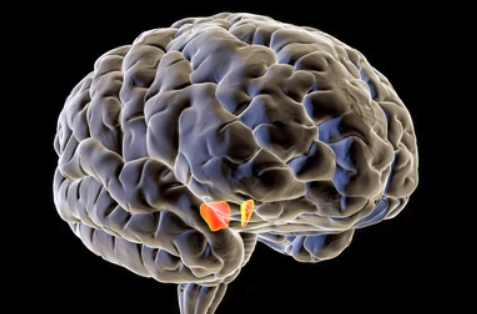
The brain under chronic stress does not simply feel overloaded. It undergoes measurable structural changes. The hippocampus, the region most critical for memory formation and emotional regulation, is particularly vulnerable to the corrosive effects of sustained cortisol elevation. Long-term stress has been associated with hippocampal volume reduction, which is not a theoretical risk but a documented consequence seen in imaging studies of chronically stressed populations. The protection against this kind of damage is not purely pharmaceutical. Exercise, social connection, sleep, and meaningful engagement all demonstrate neuroprotective effects that operate through biological pathways, not just psychological comfort.
Physical activity consistently stands out in the cognitive research as the single most broadly effective intervention available. Aerobic exercise promotes the release of brain-derived neurotrophic factor, a protein that supports neuron growth and resilience. Even moderate, consistent movement, including brisk walking for 150 minutes per week, produces measurable improvements in memory, processing speed, and executive function across age groups.
Why what you eat reaches the brain directly
The relationship between diet and brain health has become one of the most compelling areas in neuroscience. Ultra-processed foods consumed regularly are associated with accelerated cognitive decline independent of other lifestyle factors. Diets rich in omega-3 fatty acids, polyphenols, leafy greens, and whole grains, the pattern sometimes called the Mediterranean or MIND diet, consistently show protective associations for cognitive function in long-term population studies.
The gut-brain axis adds another dimension to this picture. The microbiome produces compounds that influence neuroinflammation, serotonin availability, and the integrity of the blood-brain barrier. Dietary choices that support microbiome diversity therefore reach the brain through multiple interconnected pathways that researchers are only beginning to fully map.
The social brain that most people underestimate
Among the cognitive protective factors that research most consistently validates, strong social connection ranks near the top, and it is the one most frequently underestimated. Cognitive stimulation through genuine human interaction, the kind that requires language, emotional reading, and improvised response, provides a form of mental exercise that no app or puzzle fully replicates. Social isolation, particularly in the decades between fifty and seventy, is associated with cognitive decline rates comparable to those seen with physical inactivity or poor diet.
The brain is remarkably plastic across the lifespan. The habits built in middle age determine not just how sharp a person feels today but how much cognitive reserve they carry into the years when biological aging accelerates. Cognitive reserve, the accumulated capacity of the brain to withstand damage before it manifests as decline, is built through decades of mental engagement, social connection, physical activity, and nutritional investment. It is not a fixed inheritance. It is a fund that can be grown. The window is open, and it stays open longer than most people believe. The question is simply what to do with the time that remains inside it.