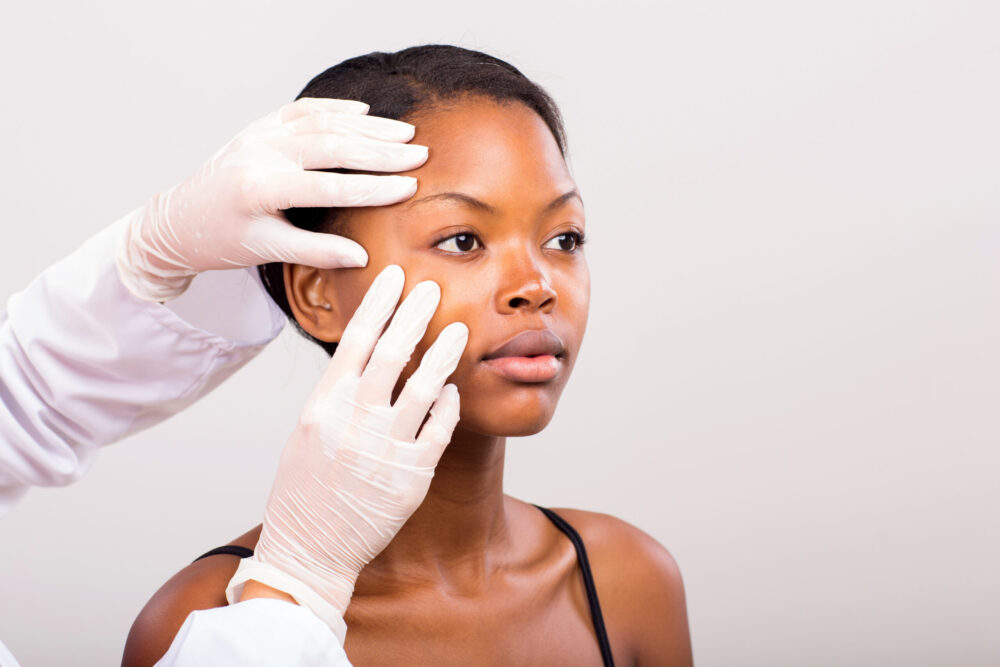
Skin is the body’s largest organ and primary physical barrier against environmental threat, and one of the most diagnostically informative surfaces any clinician or attentive person can observe. Changes in color, texture, hydration, healing capacity, and the appearance of new lesions all carry biological meaning that ranges from the cosmetically irrelevant to the medically urgent. It does not simply respond to what touches it from the outside, and treating it only as a cosmetic surface misses most of what it is and does. It reflects what is happening on the inside, with a visibility and immediacy that most internal conditions cannot match.
The relationship between gut health and dermal health, sometimes called the gut-skin axis, has emerged as one of the more compelling areas in dermatological research. Conditions including acne, eczema, psoriasis, and rosacea show consistent associations with gut microbiome composition suggesting a bidirectional relationship between intestinal and dermal inflammation. People with inflammatory bowel conditions have higher rates of dermal inflammatory conditions than the general population. Dietary changes that improve microbiome diversity, including increased fiber intake, fermented food consumption, and reduction of ultra-processed foods, show promising effects on inflammatory dermatological conditions in both observational and interventional studies.
Why sun protection is the most important dermal decision most people underperform
Ultraviolet radiation is the most studied and most preventable cause of premature aging and dermal malignancy. It damages DNA in the outer layer’s cells, promotes the breakdown of collagen and elastin that give it structural integrity, and drives the chronic low-level inflammation that accelerates the visible signs of aging. The effects are cumulative, meaning that every unprotected sun exposure adds to a lifetime total of UV damage that reveals itself decades later in the form of wrinkles, pigmentation, texture changes, and, most seriously, skin cancers.
Melanoma is one of the most preventable malignancies available given the directness of its primary risk factor and the effectiveness of daily broad-spectrum sunscreen in reducing UV exposure. Despite this, melanoma rates continue to rise, particularly among middle-aged and older adults who grew up in an era when tanning was actively promoted and sun protection minimized. The window for reversal of damage has passed for many of these individuals, but the window for prevention of further damage and early detection of existing changes remains open for everyone.
What skin changes deserve clinical attention
The ABCDE criteria for evaluating skin lesions provide a practical framework for identifying changes that warrant professional assessment. Asymmetry, irregular border, color variation within a lesion, diameter greater than six millimeters, and evolution over time are each features that individually or in combination increase the clinical suspicion for melanoma. Any lesion that itches, bleeds, or changes in appearance should be evaluated rather than monitored independently at home.
Beyond cancer surveillance, changes including new patches of hyperpigmentation, sudden eyebrow loss, persistent rash, or significant adult acne can all indicate underlying hormonal, thyroid, or autoimmune conditions that the body is expressing through this organ before other systems have produced detectable symptoms.
What skin actually needs to function as the barrier it is meant to be
The barrier depends on adequate hydration, lipid replenishment, and freedom from repeated harsh chemical disruption. Over-cleansing with products that strip the skin’s natural oils impairs barrier function, increasing transepidermal water loss and reducing the skin’s resistance to environmental irritants and pathogens. A gentle cleanser, a moisturizer containing humectants and occlusives, and daily broad-spectrum SPF 30 or higher represent the evidence-supported foundation of dermal maintenance that dermatologists recommend consistently across all skin types. Retinoids, the vitamin A derivatives with the most robust anti-aging evidence base in dermatology, remain the single most validated topical intervention for long-term improvement available without a prescription. For the organ in constant contact with the world, they represent a straightforward investment with decades of clinical evidence behind them. The skin rewards genuinely consistent care with a resilience and long-term appearance that no reactive or intermittent approach to its protection can replicate.