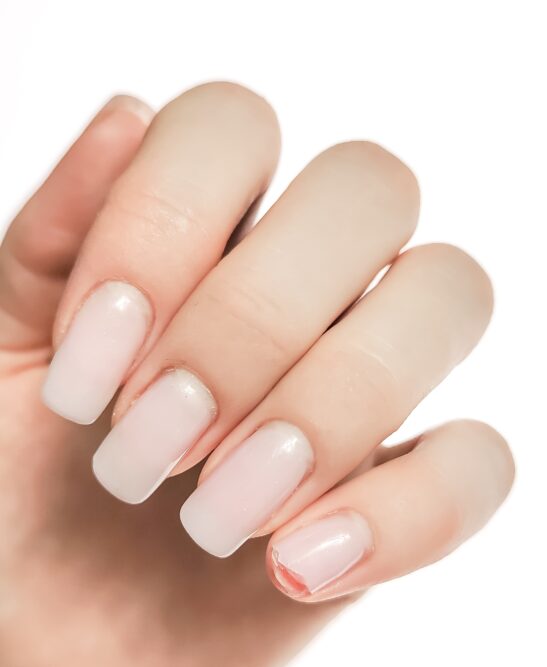
Nails are not simply a cosmetic detail at the ends of fingers and toes. They are keratinized structures produced by the nail matrix, a region of actively dividing cells at the base of each nail, and the quality of that production is directly influenced by the nutritional environment, hormonal status, circulatory health, and systemic inflammatory state of the body producing it. Changes in nail texture, color, shape, and growth rate are among the earliest visible physical signs of several internal conditions, and clinicians trained in their recognition use them routinely as diagnostic cues.
Brittle, easily broken nails that split horizontally or longitudinally are among the most common nail complaints. Their causes range from the entirely benign, including excessive water exposure or harsh chemical contact, to the clinically significant, including iron deficiency anemia, hypothyroidism, and nutritional deficiencies in biotin, zinc, or silica. The pattern of brittleness can provide additional information: nails that peel in layers tend to suggest a different cause than nails that break cleanly across the nail plate, and nails that are thin and soft often reflect a different nutritional gap than those that are thick and crumbly.
What vertical and horizontal ridges mean
Longitudinal ridging, the appearance of fine vertical lines running from the cuticle to the nail tip, is extremely common and in most cases represents nothing more than the natural aging of the nail matrix. As the nail matrix ages and cell division becomes less perfectly uniform, slight irregularities appear in the keratinized structure that produce these ridges. In isolation, they are a normal part of aging. When they become prominent, numerous, or associated with color change, they may warrant attention as a potential indicator of inflammatory arthritis, lichen planus, or nutritional insufficiency.
Horizontal ridges, known as Beau’s lines, carry more clinical significance. These deep transverse grooves that cross the entire width of the nail represent a period during which nail growth was temporarily halted or severely slowed. The nail matrix pauses its production in response to major physical stress on the body, including serious illness, high fever, surgery, or severe nutritional disruption. Because nail grows at a predictable rate, the position of a Beau’s line on the nail plate can help identify approximately when the triggering event occurred.
What nail discoloration signals
Nail color changes provide some of the most diagnostically rich information available through nail examination. White spots, often attributed to calcium deficiency by popular myth, are more accurately explained by minor trauma to the nail matrix that disrupts the keratinization process briefly. They are almost never a sign of nutritional deficiency in people eating a varied diet.
Yellow nail syndrome, in which nails become thick, slow-growing, and yellow, is associated with lymphedema, respiratory conditions, and thyroid disease. Dark streaks running longitudinally through a nail, particularly in a single nail of a person with lighter skin tone who has not experienced nail trauma, may represent a benign accumulation of melanin or, in some cases, subungual melanoma, which is among the most serious and most frequently missed dermal malignancies. Any streak under a nail that is new, widening, or associated with pigment spreading onto the surrounding skin deserves professional evaluation.
What nails actually need to grow well
Adequate protein intake is the most fundamental requirement for nail health because nails are predominantly composed of keratin, a structural protein. Biotin, despite its widespread marketing for hair and nails, only produces measurable improvement in nail hardness in people with true biotin deficiency, which is uncommon. Iron, zinc, silica, and vitamins A, C, and D all contribute to nail integrity through various mechanisms. The most effective nail health strategy is a varied, protein-adequate, nutrient-dense diet rather than a specific supplement. The nails tend to reflect dietary sufficiency or insufficiency with an honesty that no cosmetic product can conceal indefinitely. When they look consistently poor despite adequate care from the outside, the question worth asking is what is happening on the inside, and whether the answer might be found more quickly in a blood panel than in a better moisturizer.