For decades, dietary fat wore the villain’s hat in nutrition conversations. Doctors, food labels, and public health campaigns all pointed in the same direction: eat less fat, go low fat, choose the processed alternative instead. What science has since made undeniably clear, however, is that the category of fat matters far more than the quantity. Some fats, it turns out, may be among the most powerful tools available for protecting the heart as the body ages.
Understanding why that distinction matters starts with understanding what actually happens inside the cardiovascular system over time.
What aging does to the heart and arteries
Arteries naturally become stiffer with age, and the heart muscle stiffens alongside them, making it progressively harder to pump blood efficiently. Plaque accumulation, high blood pressure, and rising cholesterol levels all intensify with every passing decade, compounding into the cardiovascular conditions that affect so many older adults.
The encouraging reality is that diet plays a measurable role in how quickly those changes take hold and the quality of fat in the diet is one of the most significant levers a person can pull.
The fats that actually help
Not every fat behaves the same way inside the body. Research published shows that replacing saturated fatty acids with unsaturated fats measurably improves blood lipid profiles and reduces the risk of coronary heart disease two outcomes that matter enormously for aging cardiovascular systems.
The two key categories to know are:
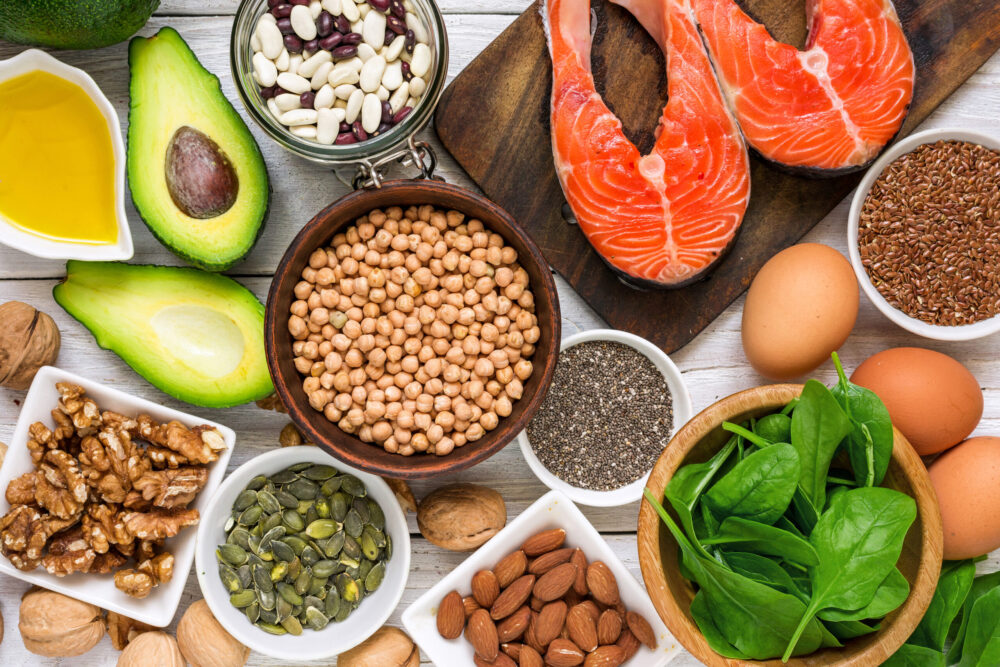
Monounsaturated fats, found in high concentrations in olive oil and avocados.
Polyunsaturated fats, particularly omega 3 fatty acids from fatty fish like salmon, sardines, and mackerel.
Mass General Brigham highlights that both types actively help lower LDL cholesterol and triglycerides, which are primary contributors to arterial plaque formation. Swapping out butter or heavily processed cooking oils for extra virgin olive oil, a handful of walnuts, or a portion of grilled salmon is not a trend it is a physiologically meaningful choice with real clinical backing.
Why omega 3s deserve extra attention
Among all the heart healthy fat options, omega 3 fatty acids make the strongest case for special consideration in older adults. MedlinePlus explains that omega 3s slow the buildup of arterial plaque, help lower blood pressure, reduce triglycerides, and lower the risk of both stroke and heart failure.
The American Heart Association recommends at least two servings of omega 3-rich fish per week as a baseline for cardiovascular protection. For older adults specifically, the evidence goes further. Research found that omega 3s have particular potential in reducing co morbidities in older adults by modulating inflammation, high blood lipids, platelet aggregation, and hypertension conditions that all tend to worsen with age and rarely operate in isolation.
The Mediterranean diet gets the science right
No framework has consistently demonstrated the heart protective power of healthy fats more convincingly than the Mediterranean diet. One of the most cited nutrition trials in cardiovascular research found that people assigned to a Mediterranean diet supplemented with either extra virgin olive oil or nuts experienced significantly lower rates of major cardiovascular events compared to those assigned to a reduced fat diet.
Replacing saturated fats with unsaturated ones is a core mechanism behind the diet’s results, operating through both anti-inflammatory and antioxidant pathways that directly support arterial health over time. Within this dietary model, olive oil, fatty fish, avocados, and nuts are not occasional indulgences they are nutritional cornerstones.
The low fat trap that still catches people
One of the more persistent misconceptions in nutrition is that less fat automatically means better heart health. The research tells a different story. Low fat diets that replace fat with refined carbohydrates and added sugars are simply not effective at reducing cardiovascular risk and in some cases may worsen it.
The goal was never less fat across the board. It was always smarter fat: chosen deliberately, eaten consistently, and built into a dietary pattern the body can genuinely benefit from over the long term. For anyone looking to protect their heart as they get older, that distinction may be the most important nutritional insight of all.