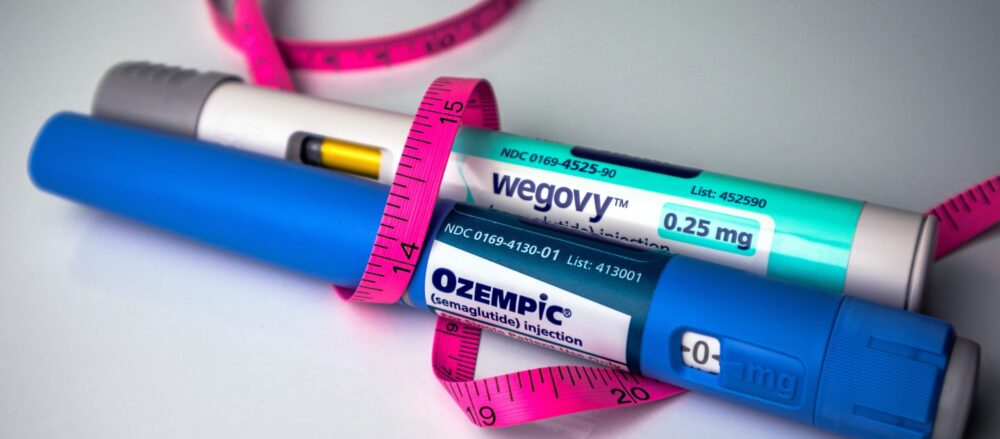
Novo Nordisk has begun selling an oral version of semaglutide in the United States under the Ozempic name, a move that extends one of the most recognized drug brands in recent memory into a format that does not require an injection. The pill became available on May 4, 2026, at more than 70,000 pharmacies nationwide, and can also be obtained through telehealth services and mail-order programs.
The drug itself is not new. Oral semaglutide has been sold in the United States under the name Rybelsus for several years, making it an established treatment for type 2 diabetes. The Ozempic pill is a reformulated version of that same compound, available in 1.5 mg, 4 mg, and 9 mg doses, with adjustments designed to improve how the body absorbs the medication. What is new is the branding, and in a market where name recognition shapes prescribing behavior, that distinction carries real weight.
What semaglutide does
Semaglutide belongs to a class of drugs known as GLP-1 receptor agonists. GLP-1, or glucagon-like peptide 1, is a hormone the body produces naturally in response to eating. Semaglutide mimics that hormone, prompting the pancreas to release insulin, slowing the rate at which the stomach empties, and reducing appetite. The FDA has approved semaglutide for the treatment of type 2 diabetes and for long-term weight management.
Beyond blood sugar control, clinical studies have found that semaglutide can meaningfully reduce the risk of serious cardiovascular events, including heart attacks and strokes, in adults with type 2 diabetes who already face elevated cardiovascular risk. That combination of metabolic and cardiac benefit has made the drug category a significant focus for both prescribers and patients over the past several years.
How the pill compares to the injection
Injectable semaglutide, the original Ozempic formulation, is administered once weekly. The oral version requires daily dosing, and research indicates that the injection tends to achieve greater reductions in HbA1c, the marker used to track long-term blood sugar levels, than oral formulations do. That gap in clinical performance is a meaningful consideration for patients with more advanced diabetes management needs.
The case for the pill rests primarily on convenience and accessibility. Oral medications are easier to transport, require no supplies beyond the pill itself, and remove a barrier that keeps some patients from starting or maintaining injectable therapy. For individuals who are candidates for semaglutide but have been reluctant to begin injections, the oral option provides a path that did not previously carry the Ozempic brand profile behind it.
Oral formulations also tend to be less expensive to manufacture than injectables, which has downstream implications for cost to the patient, though actual pricing depends on insurance coverage and dosage.
Pricing and access
For patients with insurance, the Ozempic pill is expected to be available for as little as $25 for a three-month supply, depending on the plan. Patients paying out of pocket can expect to spend between $149 and $299 per month, with the final figure varying by dose. Novo Nordisk has positioned broad pharmacy availability, including mail-order options, as central to the launch, reflecting ongoing pressure on GLP-1 manufacturers to demonstrate that their drugs can reach patients outside major metropolitan areas and higher income brackets.
Demand for GLP-1 therapies has substantially outpaced supply in recent years, and the rebranding of an existing oral drug under the Ozempic name is partly a response to that dynamic. A pill that can be stocked and dispensed through traditional pharmacy channels does not face the same cold-chain and supply constraints that have complicated injectable access.
What patients should consider
The Ozempic pill and injectable Ozempic are not interchangeable in terms of clinical effect. Patients already managing their diabetes effectively with an injectable GLP-1 therapy are unlikely to be advised to switch. For patients who are newly starting treatment, have an aversion to injections, or previously tried Rybelsus, the reformulated pill may represent a meaningful option worth discussing with a healthcare provider.
As with any medication for a chronic condition, individual health history, current treatment regimens, and specific clinical goals should guide the conversation. Novo Nordisk’s expansion of the Ozempic name into oral form adds a choice to the market. Whether it is the right choice depends on the patient.