Kicking off your shoes the moment you walk through the front door is one of life’s small pleasures. But between hard floors, unexpected Lego landmines, and questions about bacteria and skin health, plenty of people wonder whether going barefoot at home is doing their feet any favors quietly causing harm.
According to doctors, the answer is more nuanced than a simple yes or no. There are genuine benefits to ditching shoes indoors, but a few important caveats worth knowing about.
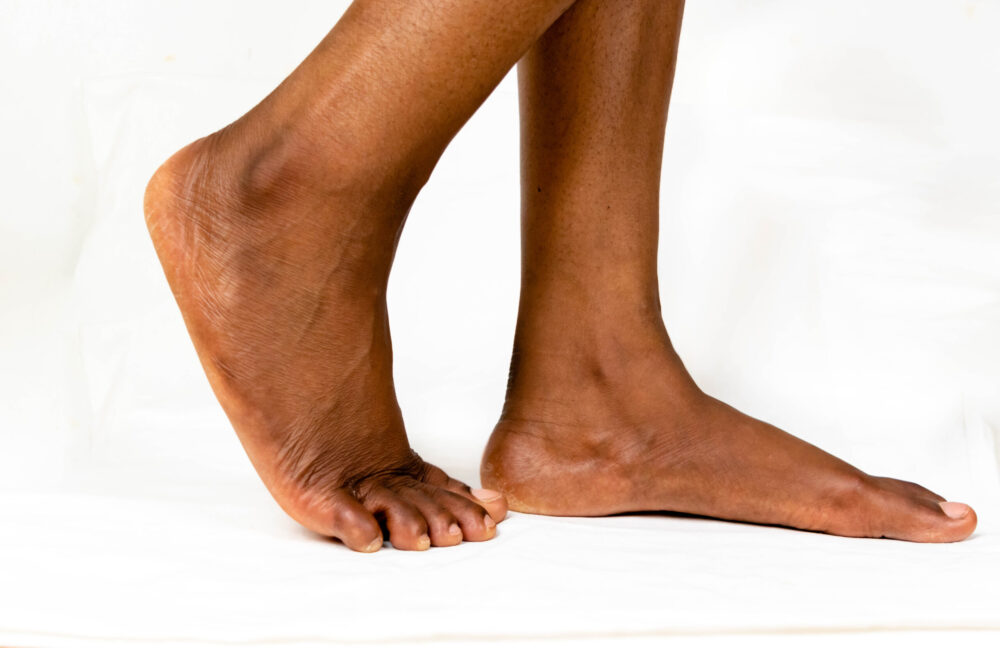
To be clear on terms first: walking barefoot means exactly what it sounds like no shoes and no socks. Licensed clinical podiatrist puts it plainly, barefoot means skin to ground. Anything else, including socks, technically changes the mechanics of how the foot moves and interacts with a surface.
The case for going barefoot at home
The small intrinsic muscles inside the foot tend to weaken with age and with the constant use of shoes. When those muscles deteriorate, overall mobility can suffer, many of the foot-related conditions he treats in his practice are directly tied to patients being unable to engage those muscles efficiently.
Walking barefoot regularly is one of the more accessible ways to keep those muscles working. Going barefoot at home allows the skin on the feet to breathe more freely, which can reduce moisture buildup and lower the risk of fungal infections like athlete’s foot.
There is also a sensory dimension to barefoot walking worth mentioning. Feeling the texture of different surfaces underfoot can be grounding and genuinely relaxing something she compares to a natural, low key reflexology session. For people without underlying foot or skin conditions, it can even support mindfulness in a small but meaningful way.
The real risks of skipping shoes indoors
The benefits are real, but so are the downsides and they depend heavily on the person and the environment.
For people with sensitive skin or chronic conditions like eczema or contact dermatitis, walking barefoot on floors that carry dust, pet dander, or residual cleaning chemicals can trigger flare-ups. Kopelman flags this as a legitimate concern for anyone already managing those kinds of skin issues.
There are also more immediate physical risks. Slipping on wet or polished floors and stepping on sharp objects are both genuine hazards, and for people living with diabetes, neuropathy, or poor circulation, even a minor foot injury can spiral into something far more serious. Barefoot walking indoors is best avoided altogether when those conditions are present.
Perhaps the most underappreciated risk is the long term strain that hard surfaces can place on the feet. Repeatedly walking barefoot on tile, hardwood, or concrete without any cushioning can contribute to foot fatigue and, over time, increase the likelihood of plantar fasciitis a painful inflammation of the tissue running along the bottom of the foot. For anyone already dealing with joint or foot issues, that cumulative stress is worth taking seriously.
When to put something back on your feet
Cooking a full meal, for example, places repetitive, concentrated load on one part of the foot, and he says even professional cooks benefit from a supportive shoe that distributes weight more evenly across the foot.
For those who want a middle ground, socks offer a reasonable compromise. They provide minimal protection from allergens and surface bacteria while preserving some of the freedom associated with going barefoot. Socks create a filter between the foot and the ground, which reduces the muscular benefits that come from true barefoot contact.
The overall consensus among experts is that walking barefoot at home, on clean and well maintained floors, is generally healthy for most people. The key word is most. Anyone managing diabetes, circulation issues, neuropathy, or active skin conditions like psoriasis or athlete’s foot should factor those realities in before leaving their shoes at the door.
For everyone else, going barefoot in moderation appears to be one of the simpler, lower effort things you can do for your long-term foot health and it turns out the floor underfoot might be doing more for you than you ever noticed.