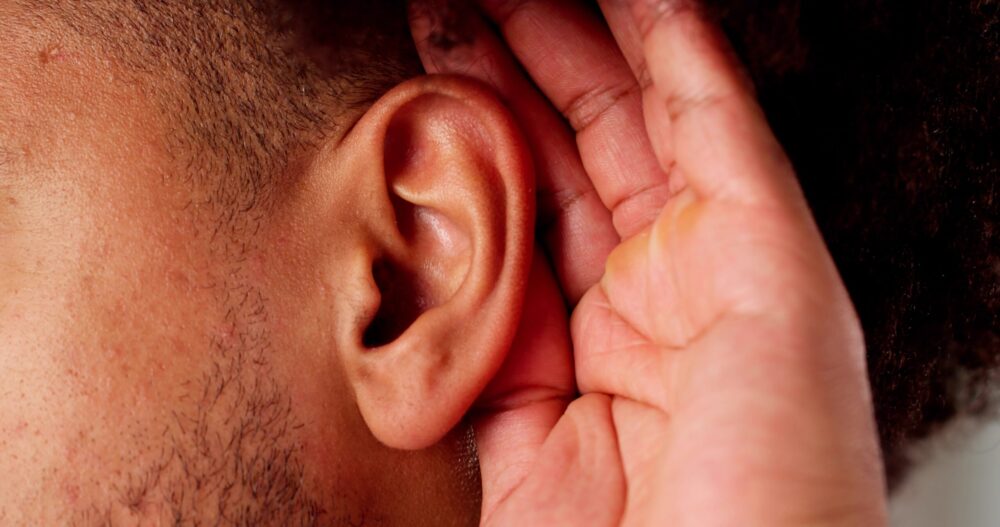
Almost everyone has been told to clean their ears at some point. The instruction feels hygienic, responsible and perfectly reasonable. The problem is that the method most people reach for, the cotton swab, happens to be the one thing that specialists consistently warn against. The cotton swab market generated over 800 million dollars in sales last year. That number tells you everything about how deeply the habit is ingrained, and very little about whether it is actually working.
The disconnect exists partly because of a widespread misunderstanding of what earwax is and what it does. Earwax, known medically as cerumen, is not a sign of poor hygiene. It is a protective substance that keeps the canal moist, guards against infection and works in tandem with tiny hair-like structures inside to carry debris outward naturally. In most people, the auditory system is almost entirely self-maintaining. The canal moves wax out on its own, and most of what looks like a hygiene problem is actually the system functioning exactly as it should.
Why cotton swabs make things worse
Inserting a cotton swab into the ear canal does not remove wax. It pushes it deeper, past the point where the natural cleaning process can reach it. Wax that was soft and movable becomes compacted and hardened over time, shifting from a helpful lubricant to a potential blockage. Impacted wax can reduce hearing, cause discomfort and require professional intervention to resolve.
Beyond the wax problem, inserting anything into the canal introduces the risk of eardrum damage. The eardrum is close, delicate and not designed to withstand pressure from foreign objects. Puncturing it, even slightly, can result in permanent hearing loss. This is not a rare or extreme outcome. Specialists see cases of cotton swab-related injuries with enough regularity to make it a consistent talking point in patient care.
What to do instead
The outer canal is fair game. Washing the visible part and behind it with warm water and a soft cloth during a regular shower is safe, effective and genuinely useful. The interior does not need any help from the outside.
For people who produce more wax than average, there are gentle and effective options that do not involve inserting anything into the canal. A few drops of warm water, a simple saline solution or hydrogen peroxide can be introduced by tilting the head so the opening faces upward, allowing the liquid to soften the wax. After holding that position for about a minute, tilting the head in the opposite direction lets gravity pull the fluid and loosened wax out on its own. A soft bulb syringe can assist with this process, though it should never be used by anyone with a known or suspected eardrum injury.
Over-the-counter drops offer another option for managing excess wax. Both water-based and oil-based formulas exist, with water-based versions typically using ingredients like hydrogen peroxide or sodium bicarbonate to break up buildup, and oil-based versions working to soften and lubricate it. Research has not identified one type as reliably superior to the other, so personal preference and ease of use are reasonable guides.
When to get professional help
If earaches, persistent itchiness, a sense of fullness or noticeable changes in hearing are present, professional evaluation is the right next step. Nose and throat specialists have access to tools designed specifically for safe wax removal, including small curved instruments, low-pressure suction devices and magnification equipment that allows them to see exactly what they are working with.
A professional cleaning is the only approach that addresses serious buildup without risking damage to the structures that make hearing possible. For anyone whose ears are giving them trouble, it is far better to book that appointment than to keep reaching for the cotton swabs.