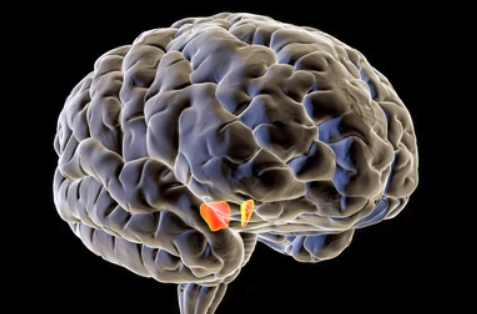
Fish oil has spent decades near the top of the supplement conversation, largely on the strength of its omega-3 fatty acid content and the research connecting those fats to reduced risk of cognitive decline, dementia, and Alzheimer’s disease. A new study is complicating that picture in ways that matter for a specific and sizable population.
Research published in the journal Cell Reports suggests that for people with a history of repeated mild traumatic brain injuries, fish oil supplementation may not deliver the protective effects most people expect. In some cases, the findings indicate it could work against recovery.
What the study found about fish oil and the injured brain
The research, led by Onder Albayram, PhD, used a combination of animal models and human brain cell cultures to examine how long-term fish oil use affects the brain following repeated mild traumatic brain injuries. The focus narrowed to eicosapentaenoic acid, or EPA, one of the primary omega-3 fatty acids found in fish oil supplements.
The findings pointed to a meaningful problem. EPA was associated with reduced repair capacity in the brain, particularly affecting the neurovascular unit, a system responsible for regulating blood flow and supporting tissue recovery after injury. Over time, long-term fish oil supplementation appeared to contribute to vascular-associated tau accumulation in the cortex. Tau protein buildup is one of the hallmarks of Alzheimer’s disease, and the research found it correlated with lower neurological function and reduced spatial learning ability in the models studied.
Albayram described the results as pointing to a more direct role for the cerebrovascular system in brain health than prior research had accounted for. The implication is that the brain’s blood vessel network may be a key site where dietary factors and injury history intersect in ways that influence long-term cognitive outcomes.
Fish oil is not being condemned, but context matters
Dr. Dung Trinh, an internist and chief medical officer at Healthy Brain Clinic, offered an important clarification in response to the findings. The study does not suggest that fish oil is harmful for the general population. What it challenges is the assumption that omega-3 supplements carry universal benefit regardless of a person’s individual health history.
For people who have experienced repeated head injuries, a group that includes many athletes, military veterans, and others whose work or sport involves physical contact, the calculation may be different than it is for everyone else. Dr. Trinh advised anyone in that category to speak with a healthcare provider before continuing or starting fish oil supplementation rather than relying on general guidance that was not designed with their situation in mind.
How to support brain health through food instead of supplements
Nutritionist Meridan Zerner pointed to dietary approaches that deliver omega-3s and other brain-supportive nutrients without depending on concentrated supplements. Fatty fish including salmon, sardines, and mackerel, consumed two to three times per week, provide EPA and DHA directly from food sources. Plant-based omega-3s are available through walnuts, flaxseeds, and chia seeds, which also contribute to anti-inflammatory eating patterns.
Colorful produce plays a supporting role as well. Berries, leafy greens, and cruciferous vegetables deliver antioxidants that help protect brain tissue from oxidative stress. Zerner also pointed to the Mediterranean and MIND diets as frameworks built around whole foods that research has consistently associated with better cognitive outcomes over time. Staying well hydrated and minimizing ultra-processed food consumption round out the practical guidance.
What this research means going forward
The study does not overturn the broader body of research on omega-3 fatty acids and brain health. What it does is introduce meaningful nuance into a conversation that has often treated fish oil as a straightforward recommendation. For most people, the existing evidence still supports its use. For people with a specific history of repeated brain injury, that evidence may not apply in the same way.
Further research is needed to understand the mechanisms more fully and to determine how widespread the effect is across different populations and injury types. In the meantime, personalized medical guidance remains the most reliable path.