Think about what you do when you notice a crack in your windshield you get it repaired before it gets worse. Or when your bank sends a fraud alert you check your account immediately. People are naturally inclined to respond to problems they can see. But one of the most serious health threats facing American women today is completely invisible, symptom free and often goes undetected until something goes very wrong.
Blood pressure may not be the first thing that comes to mind when you think about women’s health, but the numbers tell a sobering story. Cardiovascular disease is the leading cause of death for women in the United States surpassing all cancers combined. And the single biggest modifiable driver behind it? Blood pressure that climbs quietly, without warning, without a single sign.
A February 2026 scientific statement from the American Heart Association projects that nearly 60% of U.S. women could have high blood pressure by 2050, up from roughly 50% in 2020. Among women ages 22 to 44, close to one-third are expected to have some form of cardiovascular disease. These are not distant statistics they describe women who are in the thick of their careers, raising families and managing busy lives right now.
Why blood pressure deserves more attention than the scale
Weight dominates health headlines, especially with the rise of GLP-1 medications. But the reality is that blood pressure is doing far more quiet damage. Weight is highly visible and culturally reinforced as a measure of health, but blood pressure is an internal marker one that requires actual measurement to detect.
Here is what makes it so dangerous for women specifically.
It is called the silent killer for a reason
You can feel a pulled muscle. You can see a rash. But high blood pressure typically produces no symptoms at all, which is precisely what makes it so dangerous. It can develop and progress without any obvious signs, all while increasing the risk for heart disease and stroke. Nearly half of American adults have high blood pressure, and roughly 40% of those people have no idea.
Many women stay focused on how they feel day to day, and if nothing feels off, blood pressure does not usually make the mental checklist. It is not something you see in a mirror or feel in your body which is why so many women only find out about it at a routine appointment or, far worse, after a major health event. That is why regular screening matters so much.
Perimenopause adds another layer of complexity. It can begin as early as a woman’s 30s or 40s a decade when symptoms like brain fog, disrupted sleep, mood swings and joint pain take up most of the mental real estate. Heart health often takes a backseat during this time, even as risk quietly rises.
It hits women harder than most people realize
For decades, heart disease research was built almost entirely around male subjects. That is changing, but the consequences of that gap remain. After menopause, declining estrogen levels allow cholesterol, blood sugar and blood pressure to climb. Research shows that cholesterol levels can jump by 10 to 15% particularly in the year following the last menstrual period. More than 75% of women over age 60 have hypertension.
This shift often catches women off guard, especially those focused on caring for aging parents, teenagers and demanding careers many of whom have spent years consistently putting their own health last.
The picture is even more urgent for women of color. The same AHA projections indicate that more than 70% of Black women could have high blood pressure by 2050, alongside higher rates of obesity and diabetes. Access to culturally appropriate nutrition guidance remains a barrier for many women whose diets are rooted in traditions outside of the narrow, Westernized definition of healthy eating that dominates mainstream health messaging.
High blood pressure can damage your brain too
This is the piece of the puzzle most women do not anticipate. High blood pressure is not only a heart and stroke risk a growing body of research links it directly to cognitive decline and dementia.
A 10 point drop in systolic blood pressure is associated with roughly a 20% reduction in the risk of heart attacks and strokes and a meaningful decrease in dementia risk as well. Research also shows that midlife hypertension, particularly in women between their 30s and 60s, causes disproportionate harm to cognitive function. Every 20 point increase in systolic blood pressure during those years is associated with approximately an 8% increase in risk a relationship researchers have not observed at the same level in men.
Put simply, what a woman does about her blood pressure in her 40s and 50s could shape her brain health for decades to come.
Your diet is one of the most powerful tools you have
It is common for women to completely overhaul their eating habits in pursuit of weight loss while overlooking the dietary patterns that could actually lower their blood pressure. The good news is that the foods that support a healthy weight largely overlap with those that protect blood pressure.
The DASH diet Dietary Approaches to Stop Hypertension was developed by the National Heart, Lung and Blood Institute and remains one of the most thoroughly researched dietary approaches for reducing blood pressure. It focuses on fruits, vegetables, whole grains, lean proteins and low-fat dairy, while limiting sodium, saturated fat and added sugars. In clinical trials, people following the DASH diet saw systolic blood pressure drop by up to 11 mmHg a reduction comparable to starting a blood pressure medication. The 2025 AHA/ACC guidelines continue to recommend it as a first-line lifestyle intervention for hypertension.
Beyond the DASH diet, research has also found that the MIND and Mediterranean diets meaningfully reduce the risk of Alzheimer’s disease, with each approach offering its own level of brain protective benefit when followed closely.
Practical steps to lower blood pressure starting today
Making meaningful changes does not require a complete lifestyle overhaul. Small, consistent actions add up over time. Here are the most evidence backed places to start: watch sodium intake, as most dietary sodium comes from processed and restaurant foods rather than the salt shaker aiming for under 2,300 mg daily is a reasonable starting goal.
Eat more potassium rich foods like sweet potatoes, spinach, beans and yogurt to help counterbalance sodium’s effects, add more beans and lentils for their fiber, plant protein and heart health benefits.
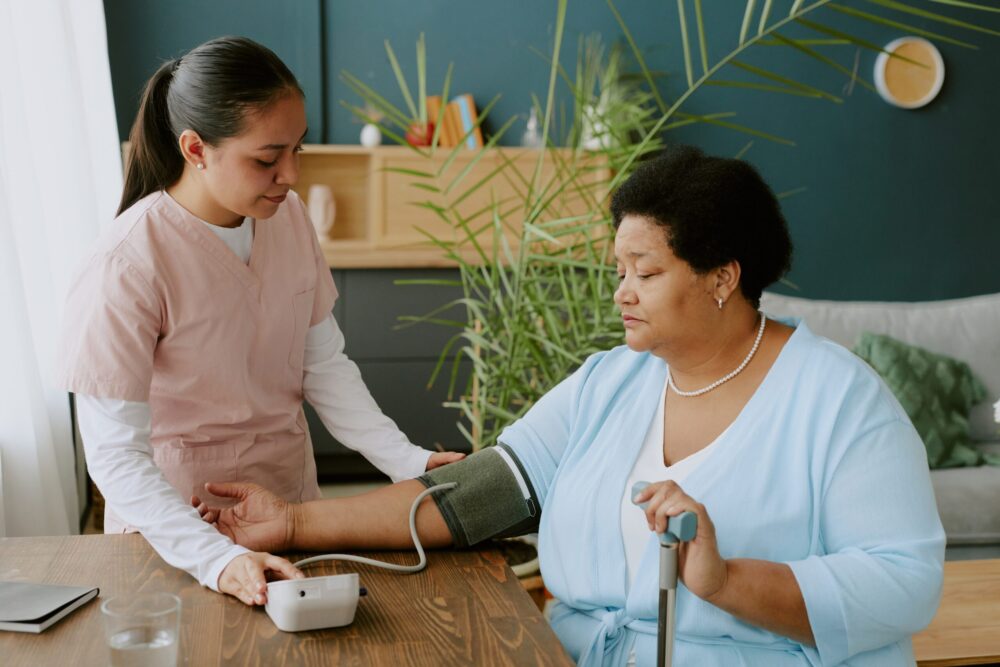
Move consistently with moderate activity like brisk walking, limit alcohol, which raises blood pressure over time and affects women more than men; manage stress through whatever approach works walking, breathwork or setting firmer boundaries, and know your numbers by getting blood pressure checked regularly, particularly during perimenopause or if heart disease runs in your family.
Heart health is a long game. Eating patterns matter more than any single food, and because heart disease takes many years to develop, every woman has a meaningful window of opportunity to act.