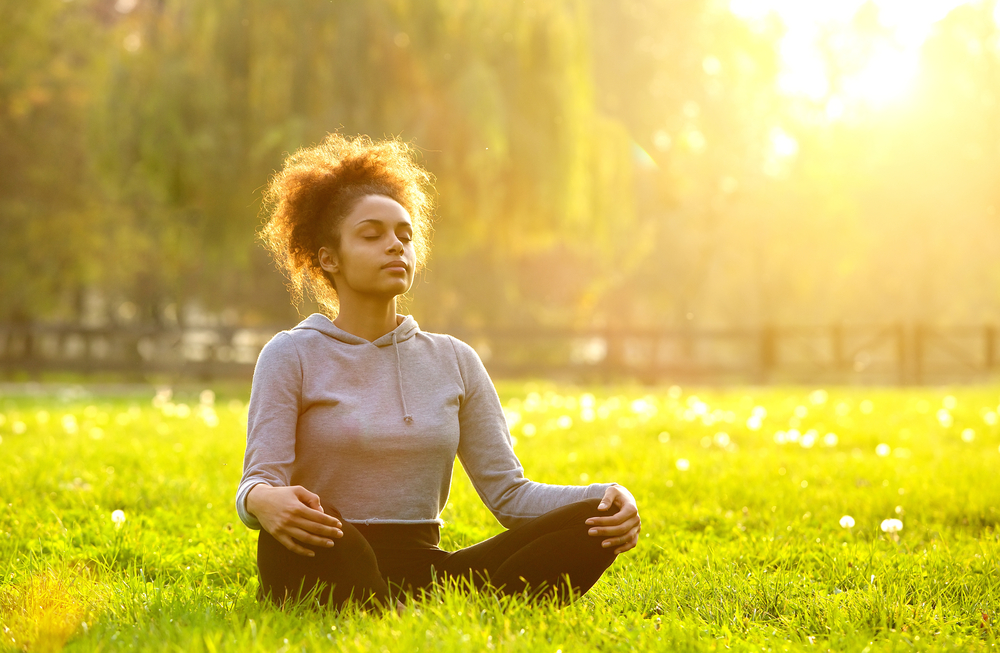
Step away from the noise — what sitting in nature with intention can quietly do for your mind and body.
Meditation is not reserved for yoga studios, expensive retreats, or people who have already figured life out. For anyone carrying the quiet weight of everyday stress, the most accessible and powerful form of meditation might be the simplest one — sitting outside, eyes closed, letting nature meet you exactly where you are.
The practice does not require a studio membership, an app, or an aesthetic setup. All it takes is a patch of grass, a few uninterrupted minutes, and the willingness to let the world quiet down around you.
Why Outdoor Meditation Hits Different
There is a reason stepping outside after a long, heavy day feels like exhaling for the first time. Nature has a measurable effect on the nervous system. Research consistently shows that spending time in green spaces lowers cortisol levels, slows heart rate, and reduces the kind of low-grade stress that builds up silently over weeks and months.
Outdoor meditation amplifies this effect. The brain registers natural environments as safer, less threatening, and more restorative — making it easier to drop into a genuine meditative state than in a closed, indoor space. Sunlight alone triggers serotonin production, which directly influences mood, focus, and emotional regulation.
For communities carrying disproportionate amounts of chronic stress — rooted in systemic pressures, economic strain, and generational weight — this kind of nature-based meditation is not a nice-to-have. It is essential.
What Meditation Actually Does to the Mind
Most people are uncomfortable with silence because they have never been taught to sit inside it. The instinct is to fill every quiet moment — with a phone, music, a task, a conversation. But meditation, especially outdoors, is one of the most underutilized tools for mental restoration.
Studies show that even two minutes of intentional stillness can lower blood pressure and reduce tension more effectively than relaxing music. Regular meditation allows the brain to consolidate thoughts, release emotional residue, and reset attention in ways that no productivity hack ever could.
A few things a consistent outdoor meditation practice can do over time
- Reduce anxiety and symptoms of depression
- Improve sleep quality and duration
- Sharpen focus and cognitive clarity
- Lower blood pressure and support heart health
- Build emotional resilience and stress tolerance
The returns are not immediate — but they are real, and they compound.
Making Stillness a Part of Your Daily Routine
The barrier to this practice is lower than most people think. It does not demand a perfect park or a specific time of day. A backyard, a balcony, a stoop, a patch of sunlight — all of it works when approached with intention.
Start small. Five minutes in the morning before the day picks up speed. For those new to meditation, a loose structure helps:
- Find a comfortable seated position outdoors or near natural light
- Close your eyes and take three slow, deliberate breaths
- Let sounds pass without chasing them
- When thoughts come, acknowledge them and return to your breath
- Set a soft timer for five to ten minutes and simply remain
Over time, the meditation practice expands naturally. What starts as five minutes becomes a genuine anchor — a daily reset that the body begins to crave.
Meditation Is an Act of Radical Self-Care
In a culture that has long told certain communities to keep moving, keep producing, and keep proving, choosing to sit in meditation is quietly revolutionary. It is a reclamation of peace that does not require permission or justification.
The woman sitting in the grass, sunlight warming her face, hands resting easy — she is not doing nothing. She is doing one of the most important things a person can do for their long-term health.
Outdoor meditation is not a trend. It is not a luxury. It is a practice — and it belongs to everyone willing to claim it.