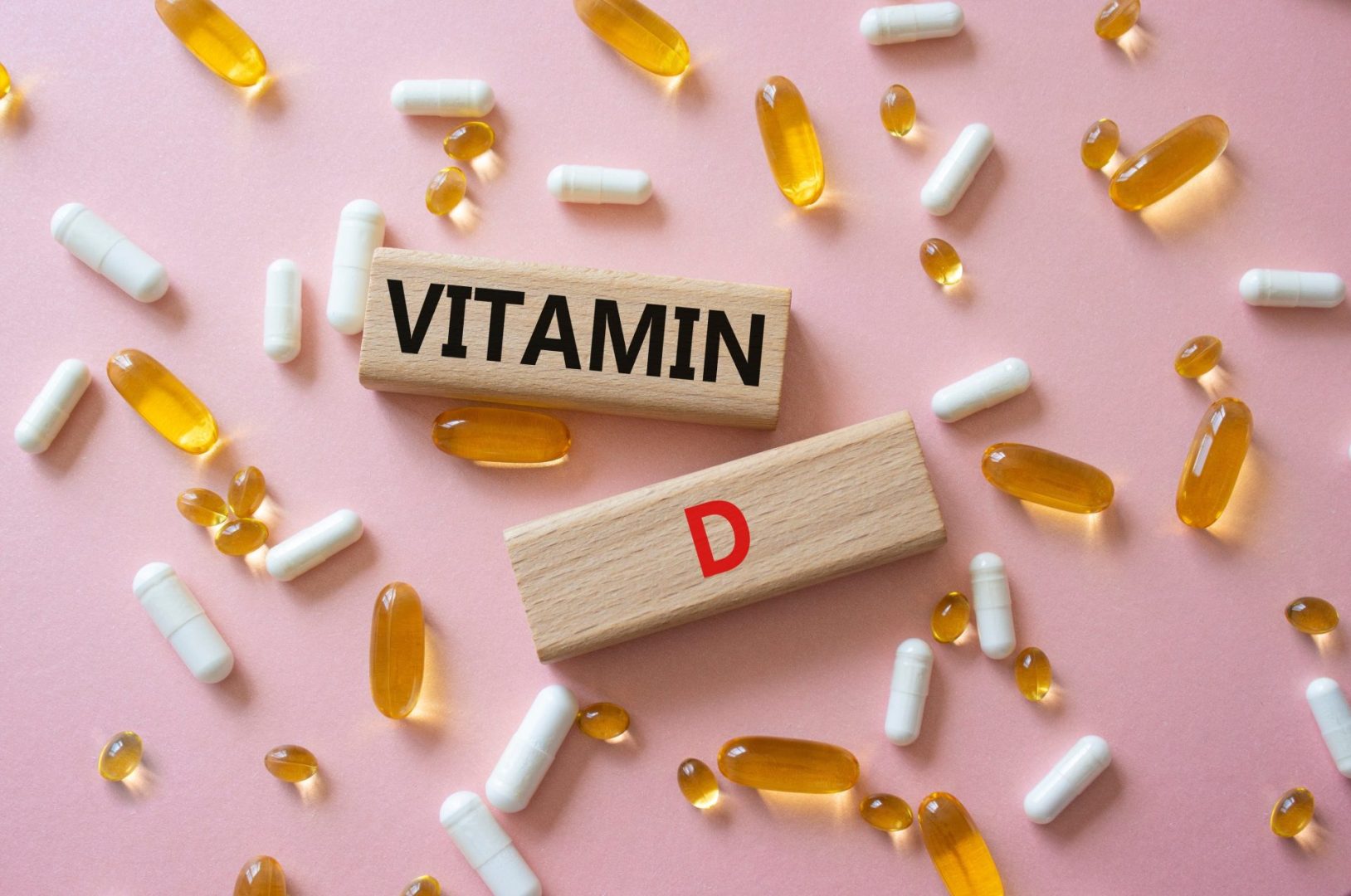
You are eating well, moving your body and making an effort to get outside. And yet something still feels a little off. Energy dips without warning. Moods shift for no clear reason. Joints feel stiff in the morning. A cold comes along and somehow it sticks around longer than it should.
For many women over 40, this pattern is frustratingly familiar. And while there is rarely a single explanation, one nutrient gap tends to come up again and again in conversations about women’s health in midlife. That nutrient is vitamin D.
It is one of the most widespread deficiencies among women in this age group, and what makes it especially tricky is that the signs are easy to dismiss or attribute to something else entirely. Understanding what vitamin D actually does in the body and why so many women fall short is a meaningful first step.
Why vitamin D matters more as you age
Vitamin D is involved in several interconnected systems in the body. It supports calcium absorption, which is essential for maintaining bone density. It plays a role in muscle function and strength. It helps regulate immune response. And it has a measurable influence on mood and brain health.
The challenge is that as the body ages, it becomes less efficient at producing vitamin D from sunlight. Combined with the reality that many people spend significant time indoors, even those who feel they are living relatively healthy lives can find themselves running low.
The connection to bone health
Bone health is one of the most critical areas where vitamin D makes its presence felt, particularly for women navigating perimenopause and menopause. As estrogen levels decline, bone density can decrease at a faster rate. Vitamin D is what allows the body to actually absorb and use the calcium that comes from food and supplements.
Without adequate levels, calcium-rich foods may not deliver their full benefit. Over time, this can contribute to decreased bone density, a higher risk of fractures and conditions like osteopenia or osteoporosis. Combining weight-bearing exercise with proper nutrition and sufficient vitamin D is widely considered one of the most effective approaches to protecting bone strength over time.
Mood, energy and the brain
Perhaps the less expected connection is the one between vitamin D and emotional well-being. Vitamin D receptors are found in regions of the brain that influence mood regulation. When levels drop, some women notice increased fatigue, a persistent low mood or difficulty thinking clearly.
Mood is shaped by many factors and vitamin D is not a cure-all. But for some women, addressing a deficiency has made a noticeable difference in how they feel on a day-to-day basis. Emotional health in midlife deserves the same attention as physical health, and the two are more intertwined than they might appear.
Immunity and resilience
A well-functioning immune system depends in part on vitamin D. Low levels can reduce the body’s ability to respond effectively to illness, leaving some people more vulnerable to infection or slower to recover when they do get sick. If getting run down feels like a recurring theme, vitamin D is worth factoring into that conversation.
Why deficiency is so common
Several factors contribute to widespread vitamin D shortfalls. Sun exposure, the body’s primary way of producing the nutrient, is limited for many people due to indoor work, regular sunscreen use, living in northern climates or simply avoiding peak daylight hours. Aging skin is also less efficient at synthesizing vitamin D, and the kidneys become less effective at converting it into its active form.
Food sources are limited. Fatty fish, egg yolks and some fortified products contain vitamin D, but dietary intake alone is rarely enough to maintain optimal levels. Because vitamin D is fat-soluble, it can also become sequestered in body fat, making it less readily available in the bloodstream.
Practical steps worth considering
Getting levels checked through a simple blood test is a reasonable starting point. From there, spending more time outdoors, even short daily walks in natural light, can make a difference. Prioritizing foods that contain vitamin D and discussing supplementation with a healthcare provider are also commonly recommended approaches.
Pairing these habits with strength training adds another layer of protection, supporting bone density, muscle function and balance in ways that compound over time.
The path to feeling better in midlife rarely comes down to a single change. But some foundational habits carry more weight than others, and making sure vitamin D is not quietly working against you is one worth examining sooner rather than later