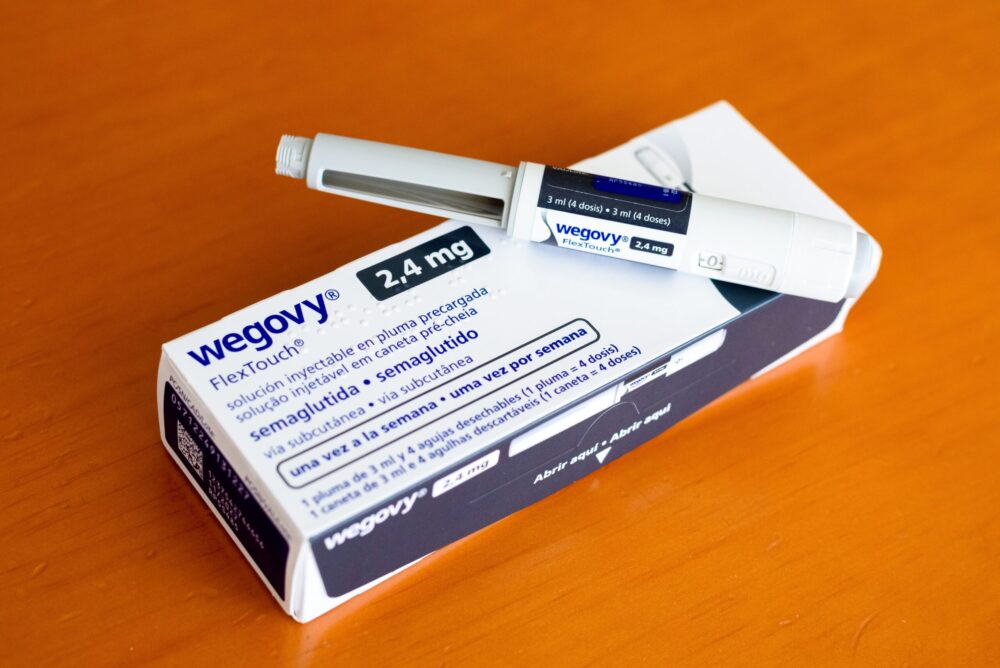
Wegovy, the injectable medication best known for its role in weight management, has just been cleared for a purpose that extends well beyond the scale. Britain’s national health technology authority has recommended Wegovy for use in reducing the risk of major cardiovascular events, including heart attacks, strokes, and cardiovascular death, in adults who are living with both established heart disease and either overweight or obesity.
The decision marks the first time a drug in this class has received such a recommendation, representing a meaningful shift in how cardiovascular risk is being addressed in patients who have already experienced serious cardiac events and remain at high risk of further ones. For many of those patients, Wegovy may now become a routine part of their ongoing care.
What the clinical trial data actually showed about Wegovy
The recommendation was built on the back of a large clinical trial that tracked the cardiovascular outcomes of patients receiving Wegovy against those receiving standard care alone. The results were notable. Patients taking Wegovy saw a meaningful reduction in the likelihood of experiencing a first major cardiovascular event compared to those who did not, and that benefit held up regardless of how much weight participants lost during the study period.
That last detail is particularly significant. It suggests the cardiovascular protection offered by the drug operates through mechanisms beyond weight reduction alone, a finding that broadens its relevance to patients who may not see dramatic changes on the scale but who still face serious cardiac risk. The overall rate of serious adverse events was also lower among those taking the medication than among those receiving placebo, though more patients discontinued the drug due to gastrointestinal side effects.
A new tool inside existing heart care pathways
The approval means that clinicians in England can now consider adding the medication to the treatment plans of patients already receiving standard cardiovascular care. It does not replace existing therapies but sits alongside them as an additional option for a population that continues to face significant health risks even after surviving a heart attack or stroke.
More than eight million people in the United Kingdom are currently living with heart and circulatory conditions. Those diseases account for roughly a quarter of all deaths in the country each year, a toll that amounts to around 170,000 lives annually. While advances in emergency care have improved survival rates following acute cardiac events, the growing and aging population means the overall number of people living with cardiovascular disease is expected to keep climbing in the years ahead.
For that population, having an additional approved therapy with strong outcomes data behind it represents a real clinical advance. The patients most likely to benefit are those who have already been through the frightening experience of a heart attack or stroke and who carry an elevated risk of going through it again, a group for whom every additional preventive tool matters enormously.
Why this approval carries weight beyond England
The significance of this decision reaches beyond the boundaries of any single health system. Regulatory and reimbursement approvals from credible national bodies carry influence across the global medical community, and a recommendation of this kind tends to accelerate conversations in other countries about whether similar steps should follow.
It also adds momentum to a broader rethinking of what drugs like semaglutide are actually capable of. What began as a treatment for type 2 diabetes, then became a widely discussed weight loss intervention, is now demonstrating cardiovascular benefits that stand on their own terms. That evolution is reshaping how researchers, clinicians, and health systems think about the drug’s place in medicine and who it might ultimately be able to help.