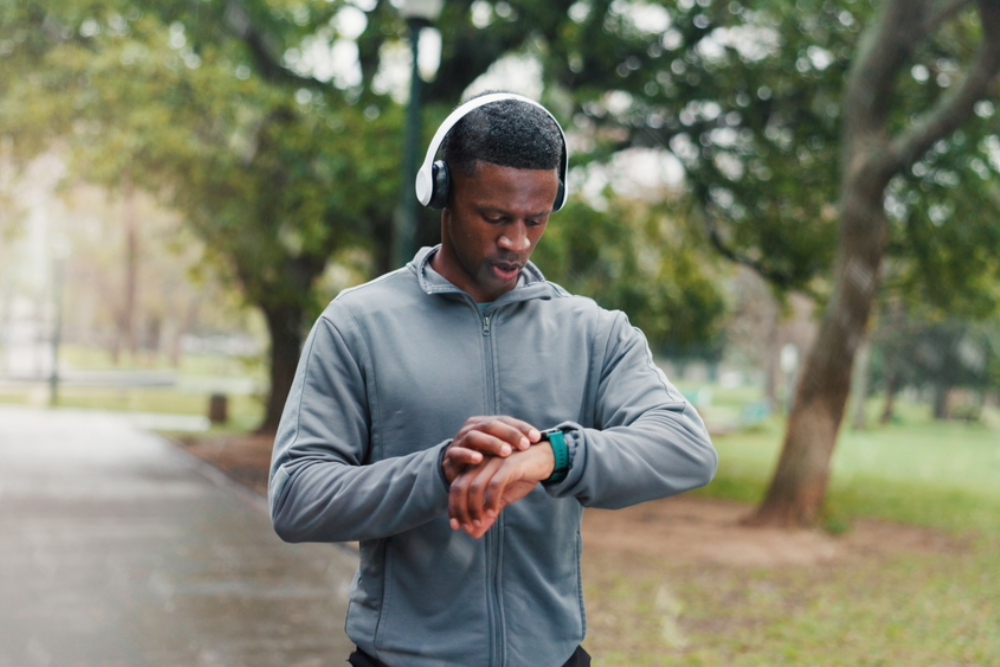
Staying on top of your health has never been more accessible. Strapping a fitness tracker to your wrist is no longer just about counting steps — it is about understanding your body in real time. From sleep recovery scores to heart rhythm alerts, today’s best wearables are genuinely changing how people approach their well-being.
The market is more crowded than ever, which makes choosing the right one feel overwhelming. The good news is that a handful of devices consistently rise above the rest. Whether you are just starting your fitness journey or looking to level up your routine, these five fitness trackers deliver the health data that actually moves the needle.
Why a Fitness Tracker Is a Well-Being Game Changer
A good fitness tracker does more than log your morning run. It monitors heart rate around the clock, flags irregular rhythms, tracks stress levels throughout the day, and gives you a detailed picture of how well you slept. Over time, that data becomes a personal health blueprint — one that no doctor visit can fully replicate. Studies show that consistent use of a fitness tracker leads to more daily movement, better sleep habits, and greater awareness of stress triggers. Simply put, wearing one makes you more accountable to yourself.
Top 5 Fitness Trackers Worth Wearing Every Day
1. Garmin Vivoactive 6 — Best Overall
The Garmin Vivoactive 6 sits at the top of the list for good reason. It combines accurate GPS, advanced heart rate monitoring, sleep tracking, and recovery insights in a sleek, comfortable package. Garmin’s health snapshot feature gives you a full wellness readout in just two minutes — resting heart rate, heart rate variability, respiration rate, stress, and blood oxygen all in one place. Battery life stretches up to 11 days, making it one of the most reliable fitness trackers for everyday wear.
2. Fitbit Charge 6 — Best for Beginners
The Fitbit Charge 6 remains one of the most beginner-friendly fitness trackers on the market. It is lightweight, easy to navigate, and backed by one of the most intuitive health apps available. Key features include
- ECG for heart rhythm monitoring
- EDA sensor for stress tracking
- SpO2 blood oxygen monitoring
- Google Maps and Wallet integration
- Up to 7 days of battery life
For anyone stepping into health tracking for the first time, this is the most approachable entry point without sacrificing serious health features.
3. Apple Watch Series 11 — Best for iPhone Users
No fitness tracker blends wellness and everyday smartwatch utility better than the Apple Watch Series 11. It offers best-in-class heart rate accuracy, crash detection, temperature sensing, and cycle tracking. Its FDA-cleared AFib history feature is a standout for cardiovascular health monitoring. Paired with the Health app, it builds a long-term health record that becomes more valuable with every passing month.
4. Whoop 4.0 — Best for Recovery
The Whoop 4.0 takes a different approach. There is no screen — just a sleek, screenless band that focuses entirely on recovery, strain, and sleep coaching. It tracks heart rate variability, skin temperature, and blood oxygen continuously, then delivers a daily recovery score that tells you exactly how hard you should push that day. For anyone serious about optimizing performance and avoiding burnout, the Whoop 4.0 is one of the most powerful fitness trackers available.
5. Xiaomi Smart Band 10 — Best Budget Pick
Not every great fitness tracker needs to cost a fortune. The Xiaomi Smart Band 10 packs reliable heart rate monitoring, sleep tracking, stress sensing, and over 150 workout modes into a sleek band priced well under $50. Battery life runs up to 21 days — a figure that puts far more expensive devices to shame. For anyone who wants solid daily health tracking without breaking the bank, this is the smartest buy on the list.
What to Look for in a Fitness Tracker
Before committing to any device, consider these key factors
- Battery life — longer life means more consistent data, fewer gaps
- Health sensors — prioritize heart rate, SpO2, and stress monitoring
- App experience — the data is only useful if the app makes it easy to understand
- Comfort and fit — the best fitness tracker is the one you actually wear every day
- Budget — reliable tracking starts at under $50 and scales up from there
The Bottom Line on Fitness Trackers
Investing in a fitness tracker is one of the simplest steps toward a healthier, more informed life. The five devices above cover every budget and lifestyle — from the data-obsessed runner to the everyday wellness seeker just trying to sleep better and stress less. Whichever one ends up on your wrist, the most important thing is that it stays there