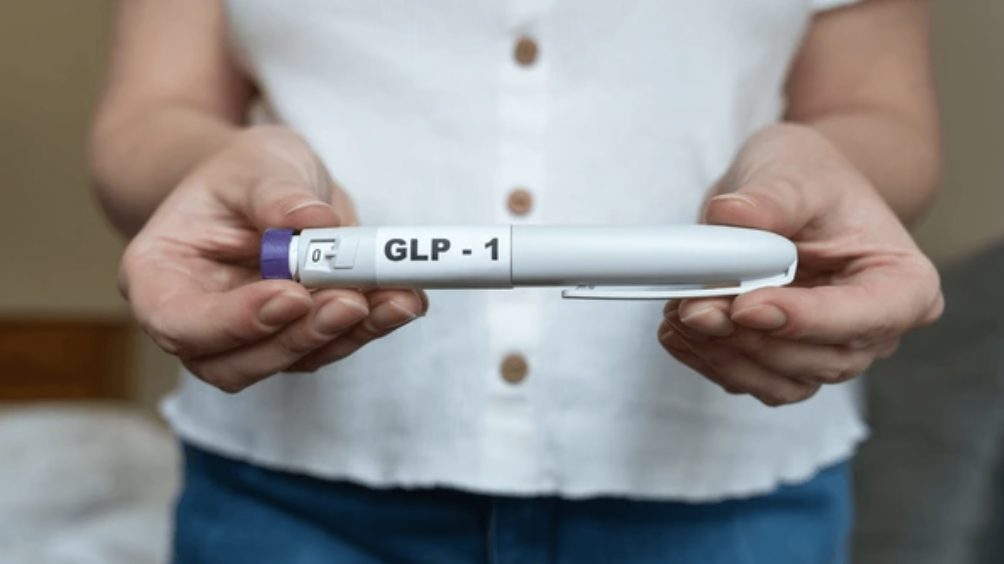
GLP-1 medications have reshaped the conversation around obesity and weight management in ways that few treatments ever have. Drugs like semaglutide and tirzepatide became household names almost overnight, celebrated for their ability to drive significant weight loss in ways that diet and exercise alone often cannot. But a pressing question has followed their rise, which is what happens to the weight once people stop taking them.
For a long time, the prevailing answer was discouraging. Clinical trials suggested that stopping these medications typically led to rapid and substantial weight regain, sometimes reversing most of the progress made during treatment. A new study published in the journal Diabetes, Obesity and Metabolism is now offering a more nuanced and considerably more hopeful picture.
What the GLP-1 study found in the real world
Researchers at the Cleveland Clinic examined health records from nearly 8,000 adults with overweight or obesity who had started injectable semaglutide or tirzepatide between 2021 and 2023. All participants stopped taking the medication within three to twelve months of starting it, and researchers followed their weight changes for one full year after discontinuation.
The results were notably different from what earlier clinical trials had suggested. People who had been using the drugs to treat obesity lost an average of 8.4 percent of their body weight before stopping. One year later, they had regained only about 0.5 percent on average. Those using the medications for type 2 diabetes lost an average of 4.4 percent of body weight before stopping and actually lost an additional 1.3 percent on average in the year that followed.
Individual results varied considerably. In the obesity group, 55 percent of participants gained some weight after stopping, but 45 percent either maintained their weight or continued losing. In the diabetes group, 56 percent maintained or lost weight in the year after discontinuation, while 44 percent gained some back.
Why GLP-1 outcomes differ from clinical trial predictions
The gap between these findings and earlier trial data is significant, and the study points to a compelling explanation. Unlike participants in randomized clinical trials who are typically assigned to a placebo after stopping the drug, real-world patients tend to keep actively managing their weight through other means.
Within the year following discontinuation, 27 percent of participants switched to a different obesity medication, 20 percent restarted the original drug, and 14 percent continued working with dietitians or exercise specialists through structured lifestyle programs. Fewer than one percent pursued bariatric surgery. That ongoing engagement with treatment appears to be a key reason why weight regain was far less dramatic than what controlled trials had documented.
Insurance coverage also played a role in shaping these outcomes. Patients using the medications for diabetes were more likely to restart treatment after stopping, likely because diabetes prescriptions tend to receive more consistent insurance coverage than obesity prescriptions.
What this means for people managing their weight
The findings carry a practical message for the millions of people who have started GLP-1 medications and may be facing discontinuation due to cost, side effects, or coverage issues. Stopping the drug does not have to mean losing all the ground gained. With the right support structure in place, including alternative medications, lifestyle interventions, or a plan to restart treatment when possible, people may be able to hold on to meaningful progress.
The research also underscores the importance of individualized care in managing obesity long term. Weight management is rarely a straight line, and these results suggest that with continued guidance and flexible treatment options, the story does not have to end when the prescription does. Future research is expected to examine which follow-up treatments work best for people after stopping GLP-1 therapy, giving both patients and clinicians a clearer roadmap for what comes next.