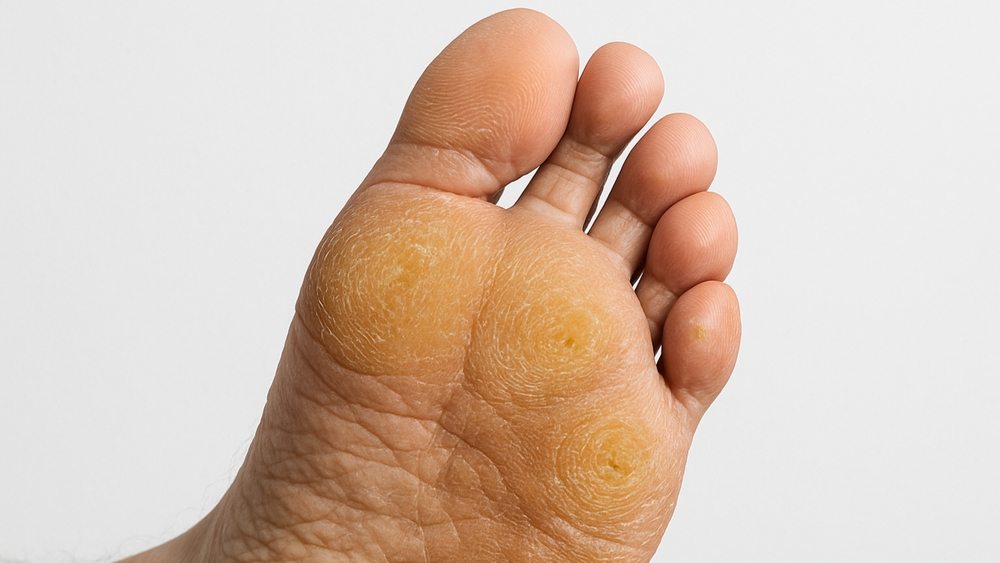
A shift in skin color often goes unnoticed until it lingers. When the soles of the feet begin to take on a yellow tint, the reaction is usually curiosity mixed with concern. The explanation is not always alarming, but it can point to a range of conditions that deserve attention.
Yellowing in this area may come from simple skin changes or reflect something happening deeper in the body. Understanding the difference matters, especially when the change appears alongside other symptoms.
Yellow and what causes it
The most common explanation is mechanical. Calluses form when the skin responds to repeated pressure or friction. Long hours of standing or poorly fitted shoes can lead to thickened patches that appear waxy and yellow. These areas are harmless but often persistent.
Another possibility lies in the blood. Anemia, a condition marked by a shortage of healthy red blood cells, can sometimes alter skin tone. The body struggles to deliver oxygen efficiently, and this may show up as fatigue, weakness, and subtle color changes.
Circulation also plays a role. Raynaud’s syndrome affects how blood flows to the extremities. In colder temperatures or moments of stress, the toes may shift in color, sometimes appearing pale or yellow before returning to normal.
Diet can leave its mark as well. Carotenemia develops when a person consumes large amounts of carotene rich foods such as carrots or sweet potatoes. The pigment builds up in the skin, creating a yellow tint. It is harmless and fades once intake is reduced.
More serious causes cannot be ignored. Jaundice occurs when bilirubin levels rise in the bloodstream, often linked to liver dysfunction. In such cases, the yellowing is not limited to the feet. The eyes and other areas of the skin usually show similar changes.
Symptoms that add context
Yellowing alone rarely tells the full story. The surrounding symptoms often provide the clearest clues. Persistent fatigue, brittle nails, or frequent headaches may point toward anemia. Weakness and shortness of breath can reinforce that concern.
Other signs suggest a more urgent issue. Dark urine, pale stools, or intense itching may indicate liver involvement. A rapid heart rate or chest discomfort should not be dismissed, especially when paired with visible skin changes.
The body tends to signal when something is off. The challenge lies in connecting those signals before they escalate.
When Yellow becomes a warning
Some symptoms require immediate medical attention. Chest pain and difficulty breathing are among the most serious. Confusion or a sudden high fever can also indicate that the condition has moved beyond a minor concern.
Changes in urine or stool color are particularly telling. They often reflect internal processes that need prompt evaluation. In such cases, waiting it out is not a wise approach.
A medical professional can run targeted tests to narrow down the cause. Blood work often includes a complete blood count and checks on liver function. These tests help determine whether the issue is related to circulation, infection, or organ health.
Yellow and treatment paths
Treatment depends entirely on the underlying cause. For calluses, consistent foot care makes a difference. Soaking the feet, gentle exfoliation, and regular moisturizing can reduce the thickened skin over time. Comfortable footwear helps prevent recurrence.
When anemia is the issue, diet and supplements may restore balance. Iron intake often becomes a focus, along with monitoring overall nutrition.
Carotenemia requires a simpler adjustment. Reducing foods high in carotene usually leads to gradual improvement without further intervention.
Jaundice demands a more careful approach. Treatment targets the root cause, which may involve medication, lifestyle changes, or further medical evaluation depending on the condition affecting the liver.
Paying attention to small changes
Yellow feet may seem like a minor cosmetic issue at first glance. In many cases, it is. Yet it can also serve as an early signal of something more complex. The key lies in noticing patterns and accompanying symptoms.
Staying aware of changes in the body allows for earlier action. Whether the cause is friction, diet, or an underlying condition, clarity begins with observation.