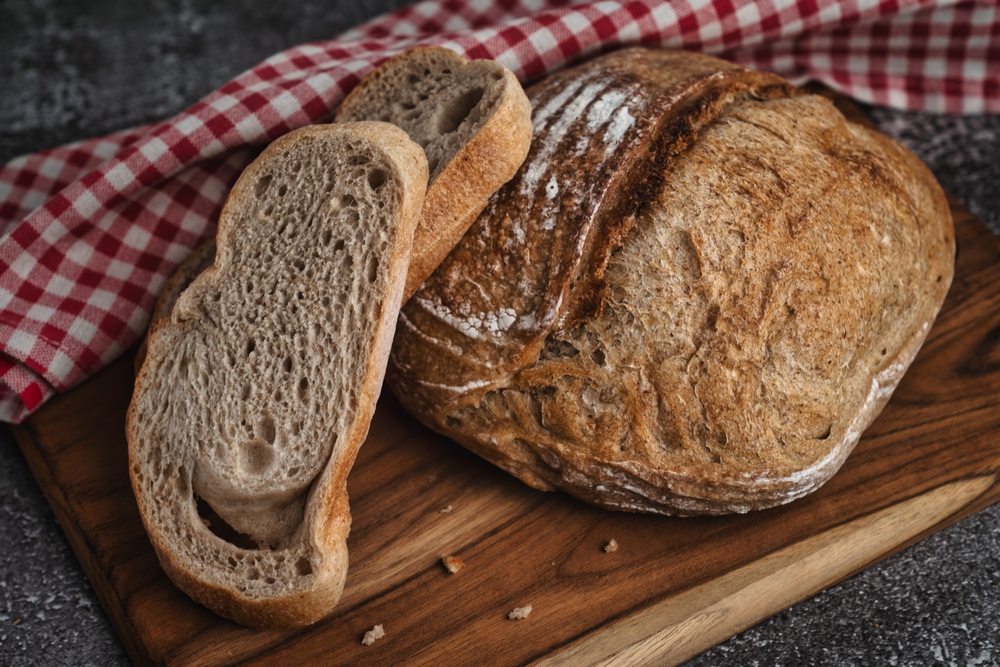
Bread has long been caught in a cycle of praise and criticism. It is often blamed for poor dietary habits, yet it remains one of the most accessible and adaptable foods. The difference, nutrition experts say, lies not in avoiding bread but in choosing it wisely.
Among the many options lining store shelves, one variety continues to stand apart. Whole grain bread has earned consistent support from dietitians for its nutritional value and versatility.
What defines healthy bread
Not all bread is created equal. The healthiest versions tend to share a few key traits that go beyond taste or texture. Nutrient density plays a central role. Bread that delivers vitamins and minerals contributes more meaningfully to daily intake.
Fiber is another crucial factor. It supports digestion, helps maintain fullness, and plays a role in heart health. Protein content also matters, particularly for those looking to stay satisfied between meals.
Equally important is how the bread is made. Less processed options that retain the full structure of the grain offer more benefits. Added sugar, often hidden in packaged bread, can reduce its nutritional value and should remain minimal.
Why whole grain stands out
Whole grain bread checks each of these boxes. Unlike refined bread, which strips away essential components during processing, whole grain varieties keep the entire grain intact. This includes the bran, germ, and endosperm, each contributing nutrients that support overall health.
That structure makes whole grain bread a steady source of fiber, B vitamins, and essential minerals such as iron and magnesium. It also tends to have a more gradual effect on blood sugar levels compared to refined alternatives.
For many nutrition professionals, the recommendation is straightforward. When choosing bread, look for labels that clearly state 100% wholegrain. Anything less may include refined flour that dilutes the benefits.
whole grain and improved nutrition
The advantage of whole grain bread lies in its completeness. By preserving every part of the grain, it offers a more balanced nutritional profile. This translates into better digestion, longer lasting energy, and improved satiety.
Some varieties take this a step further through sprouting. Sprouted whole grain bread undergoes a process that allows grains to begin germination. This can enhance nutrient absorption and make the bread easier to digest for some individuals.
The result is subtle but meaningful. Nutrients become more available to the body, and the bread itself may feel lighter despite its density.
A practical choice for daily meals
Whole grain bread fits easily into a wide range of meals. Its texture and flavor make it a reliable base for both simple and more creative combinations.
It works well as a foundation for avocado toast, where healthy fats pair naturally with the fiber rich base. It can also be used for French toast, offering a more balanced version of a familiar breakfast. For a quick snack, spreading nut butter and adding fruit creates a mix of protein, fiber, and natural sweetness.
These uses highlight its flexibility. Whole grain bread does not require dramatic changes to eating habits. It simply improves what is already there.
A shift in perspective
The broader conversation around bread is beginning to shift. Rather than viewing it as something to limit, more attention is being placed on quality and composition. Whole grain bread reflects that change.
It offers a way to keep a familiar food while making a more thoughtful choice. The benefits are not extreme or immediate, but they are consistent. Over time, those small improvements can support better health outcomes.
Why whole grain remains relevant
As dietary trends continue to evolve, whole grain bread has maintained its place. Its value lies in simplicity. It provides essential nutrients without requiring complicated preparation or strict routines.
For those looking to improve their diet without overhauling it, the decision can be as simple as switching the type of bread they buy. Whole grain offers a practical starting point.
In the end, bread itself is not the problem. The choice of bread is what matters. Whole grain continues to prove that even the most familiar foods can support a healthier way of eating.