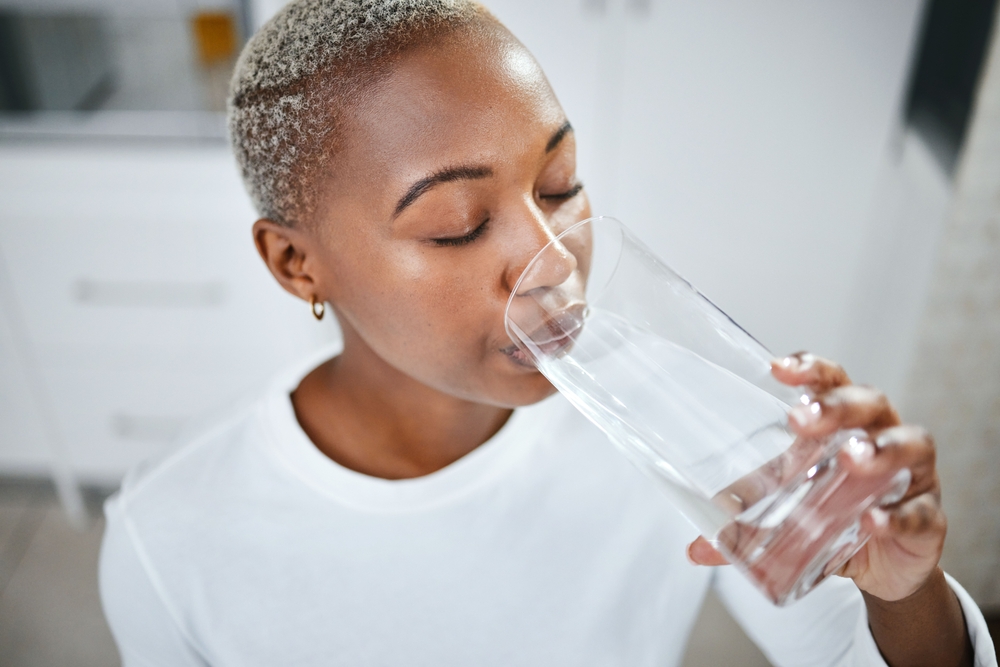
The idea that everyone should drink eight glasses of water a day has been repeated so often that most people have never thought to question it. It shows up in wellness advice, on the sides of water bottles, and in school health curricula. But it was never grounded in peer-reviewed science, and nutrition researchers have been saying so for years.
The figure traces back to a 1945 recommendation from the United States Food and Nutrition Board, which estimated that people consuming around 2,000 calories a day needed roughly one milliliter of water per calorie. That works out to approximately 2.5 liters daily, but the original guidance explicitly included fluids from food, not just beverages. Over time, that nuance was lost. The recommendation was simplified into the now-familiar eight-by-eight rule, meaning eight 8-ounce glasses per day, which nobody appears to have formally validated.
No one-size-fits-all number can capture what an individual body actually needs, because hydration requirements vary significantly based on body size, activity level, climate, diet, health status, and a range of other factors.
Why water matters more than most people realize
Water is involved in nearly every process the body runs. It regulates temperature, transports nutrients, removes waste, and keeps joints and connective tissue functioning properly. It supports blood volume and pressure, enables the chemical reactions that keep cells alive, promotes digestion and nutrient absorption, and plays a direct role in cognitive function and mood.
What makes hydration easy to overlook is that the early signs of dehydration are easy to dismiss. Thirst, dry mouth, fatigue, mild headaches, dizziness, constipation, and slightly reduced urine output can all point to inadequate fluid intake, but each symptom on its own can seem minor. Cold weather and low-intensity activity can also suppress the sensation of thirst, making it easier to fall behind on fluid intake without realizing it.
What actually shapes your water needs
The factors that determine how much water a person needs on any given day include age, height, weight, biological sex, the type and duration of physical activity, certain health conditions, some medications, altitude, climate, and whether a person is pregnant or breastfeeding. A diet high in sodium or protein also tends to increase fluid requirements.
Physical activity and heat are among the most significant variables. Sweating accelerates fluid loss substantially, and the body needs to replace what it loses. At high altitude, faster breathing also leads to increased fluid loss in ways that many people do not anticipate.
The actual numbers nutrition researchers recommend
The National Academy of Medicine recommends approximately 3.7 liters, or 125 ounces, of total daily fluid for men and 2.7 liters, or 91 ounces, for women. Other health organizations suggest slightly lower amounts, but the overall range is comparable. For most adults, staying within roughly 2.5 to 3.5 liters per day is sufficient to support kidney function and overall metabolic health.
Crucially, those figures account for fluid from all sources, including food. Many fruits and vegetables have very high water content. Melons, cucumbers, grapes, bell peppers, and tomatoes all contribute meaningfully to daily hydration, as do broths and soups. This means the actual amount of water a person needs to drink directly, as opposed to consume through food, is lower than the total recommended figure.
How to tell whether you are hydrated
The most reliable everyday indicator of adequate hydration is urine color. Pale or light yellow urine generally signals sufficient fluid intake. Urinating every three to four hours, maintaining stable energy levels, having good skin elasticity, and experiencing regular digestion without constipation are all additional signs that fluid intake is on track.
Dark-colored urine, less frequent urination, dry mouth, increased thirst, and unusual fatigue are common early signals that more fluid is needed. In more severe cases, dehydration can cause sunken eyes and skin that is slow to return to normal after being gently pinched.
It is also worth distinguishing between general hydration and electrolyte replenishment. Water handles most everyday hydration needs, but minerals including sodium, potassium, and magnesium help regulate fluid balance and support the movement of water into cells. During extended exercise or in situations where electrolytes are lost through sweat or illness, plain water alone may not be enough to fully restore balance.
Practical ways to drink more water consistently
Staying consistently hydrated is less about hitting a specific number and more about building habits that make fluid intake feel natural throughout the day. Setting incremental goals tied to specific times, such as drinking a certain amount before lunch, can help create momentum without requiring constant tracking.
Keeping a reusable water bottle nearby and in view is one of the most effective behavioral nudges. Transparent bottles are particularly useful because they provide a visual reminder of how much has been consumed. For people who find plain water boring, infusing it with fruit, cucumber, or fresh herbs adds flavor without adding sugar.
Eating more water-rich foods is another practical strategy that many people overlook entirely. Building meals around produce like cucumbers, tomatoes, and melons, or incorporating low-sodium broths, can meaningfully close the gap between what someone drinks and what their body actually needs.