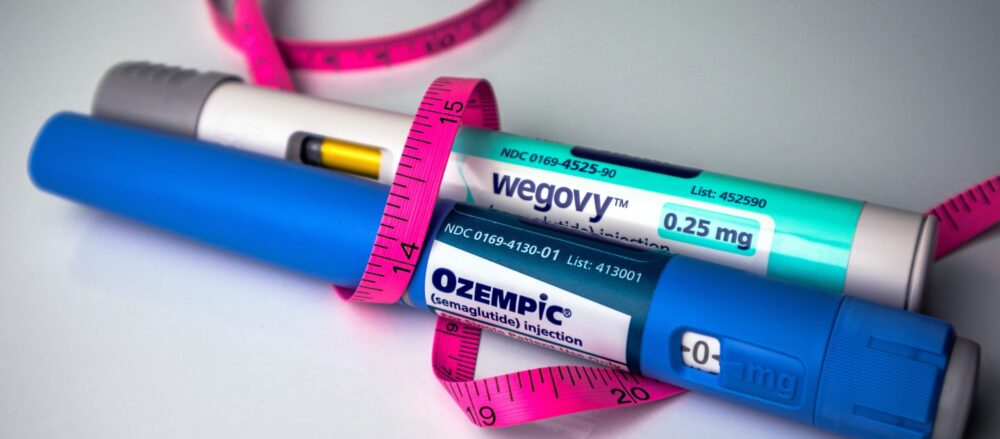
Ozempic has become one of the most talked about medications in recent memory, and for good reason. A growing number of people who spent years struggling with weight have finally found something that works. But behind the Ozempic hype is a more layered story, one that deserves a closer look before anyone rushes to their doctor for a prescription.
The drug belongs to a class called GLP-1 receptor agonists, which mimic a natural hormone the body already produces. That hormone, glucagon-like peptide 1, plays a role in regulating hunger, slowing digestion, and helping the pancreas manage blood sugar. When these processes are supported by Ozempic or a comparable medication, many people feel full faster and think about food far less. That mental quiet, sometimes called food noise reduction, has been a surprising and welcome shift for many users.
Ozempic versus the newer drugs now entering the conversation
Semaglutide, the active ingredient in Ozempic, is no longer alone in this space. Tirzepatide, available as Mounjaro and Zepbound, targets two hormonal pathways instead of one and has shown even stronger results in some studies. A newer oral option, orforglipron, sold as Foundayo, requires no food or water restrictions and broadens access for those who prefer not to use injections.
The weight loss numbers across all three are striking. Studies have shown participants losing anywhere from 15 to nearly 40 percent of their body weight. Those are figures that older medications simply could not match, and they have reshaped expectations around what weight management can realistically achieve.
Who Ozempic and these medications are actually for
These drugs are not for everyone, and that distinction matters. The FDA has approved Wegovy, Zepbound, and Foundayo for adults with a body mass index of 30 or higher, or for those with a BMI of at least 27 who also have a weight related condition such as high blood pressure or type 2 diabetes. Wegovy is also approved for adolescents aged 12 and older with obesity.
Ozempic and Mounjaro are technically diabetes medications, though doctors can prescribe them off-label for weight loss in qualifying patients. The concern is that people using them without a clear medical need, chasing what some call vanity weight loss, are entering territory where research offers very little guidance.
No medication cancels out a poor diet. Lifestyle habits including regular movement, quality sleep, and solid nutrition remain essential alongside any prescription. These drugs are a tool, not a replacement for the foundational work.
Side effects and real world Ozempic concerns
Gastrointestinal issues are the most commonly reported complaints, affecting up to 60 percent of users at some point. Nausea, vomiting, diarrhea, and constipation tend to ease over time but can be significant early on. Other reported effects include headaches, dizziness, elevated heart rate, and mild reactions at injection sites.
People with a personal or family history of a rare thyroid cancer known as medullary thyroid carcinoma are advised to avoid these medications entirely. Those with a history of pancreatitis should have a careful conversation with their provider. Anyone with a complicated relationship with food or a history of disordered eating should approach with particular caution and involve a therapist in the process.
Cost remains a real barrier. Monthly prices without insurance assistance can exceed one thousand dollars, though manufacturer programs have made lower pricing available in certain cases.
What still remains unknown about Ozempic use
Long term data spanning decades of use simply does not exist yet. The effects on people at a healthy weight who want to lose a small amount remain largely unstudied and poorly understood.
Weight management is rarely just physical. Emotional patterns around food, stress, and self-image often run deep. Medication can quiet hunger but it cannot resolve the feelings underneath it. A comprehensive approach that addresses both dimensions is almost always the most sustainable path forward.