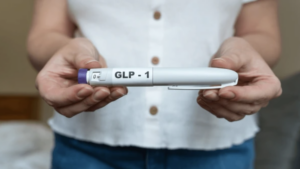
A small but striking study links semaglutide and tirzepatide to serious eye conditions, raising questions researchers say are worth taking seriously even if the risk remains low.
Weight loss medications have reshaped how doctors approach obesity and blood sugar management. Ozempic and Zepbound, which contain semaglutide and tirzepatide respectively, have become widely prescribed over the past several years. Now, a small but notable study is raising questions about a side effect of vision loss that neither patients nor physicians are fully prepared for.
Research published in JAMA Ophthalmology examined nine patients who developed severe vision problems while taking semaglutide or tirzepatide. Seven of those patients were diagnosed with non-arteritic ischemic anterior optic neuropathy, known as NAION, a condition in which insufficient blood flow to the optic nerve causes permanent vision loss. The remaining cases involved bilateral papillitis and paracentral acute middle maculopathy, both of which carry the risk of significant visual impairment.
The study is small. Nine patients does not constitute a pattern on its own. But the nature of the conditions involved, and the timing of their onset, has prompted ophthalmologists and endocrinologists to look more carefully at the relationship.
Why causation is still an open question
Experts are careful to draw a distinction between correlation and cause. Dr. Mir Ali, a bariatric surgeon, and Dr. Christoph Buettner, an endocrinologist, both note that the study cannot establish that semaglutide or tirzepatide directly triggered these eye conditions. The picture is more complicated than that.
Buettner has pointed to a different possible mechanism: the speed at which these medications bring blood sugar levels down. Rapid correction of chronically elevated blood sugar has been linked to retinopathy and other eye complications in other clinical contexts, suggesting that the metabolic shift itself, rather than the drug, may be responsible for some of what the study observed. That distinction matters because it shapes how physicians might adjust dosing or pace of treatment to reduce risk.
Both semaglutide and tirzepatide work by mimicking hormones that regulate blood sugar and appetite. Their effectiveness at lowering glucose quickly is part of what makes them useful. It may also be part of what warrants more careful monitoring in patients with certain risk profiles.
How rare is this side effect
Neither Ali nor Buettner has seen NAION or related vision complications in their own patients, and both frame the risk as low based on current evidence. The study’s small sample size makes it difficult to calculate a meaningful prevalence rate, and no large-scale epidemiological data yet exists to quantify how often these events occur across the broader population of people taking these medications.
What the study does establish is that the connection is worth investigating further. Researchers have called for larger prospective studies to determine whether people taking GLP-1 receptor agonists face a measurably elevated risk of optic neuropathy compared with those who do not. Until that data exists, the risk remains classified as rare but not fully characterized.
What patients should watch for
Anyone taking semaglutide or tirzepatide who notices a sudden change in vision, including blurring, loss of peripheral vision, or any abrupt visual disturbance, should contact a physician promptly. Buettner advises stopping the medication and seeking evaluation if vision changes occur. Waiting to see whether symptoms resolve on their own is not the appropriate response given what NAION can do to the optic nerve if left unaddressed.
For people considering these medications, the conversation with a prescribing physician should include questions about the pace of blood sugar reduction and whether a slower titration schedule might reduce metabolic stress on vulnerable tissue. Dosage adjustments are already common practice for managing gastrointestinal side effects. The same logic may apply here as evidence continues to develop.
Putting the risk in context
The benefits of semaglutide and tirzepatide are well documented. Sustained weight loss, improved insulin sensitivity, and reduced cardiovascular risk are among the outcomes that have driven their rapid adoption. A study of nine patients does not undo that evidence, and physicians are not advising people to stop these medications based on the current findings alone.
What the research does is add a line of inquiry for vision loss that was not there before. Patients who already have compromised optic nerve circulation or a history of eye disease may warrant closer ophthalmologic monitoring if they are starting or continuing these medications. That is a conversation between a patient and their physician, informed by individual risk factors rather than population-level alarm.