Tips to boost oral health and protect your brain

Good oral hygiene has long been associated with a confident smile and fresh breath, but researchers and dental experts say its benefits reach far beyond the mouth all the way to the brain. The gum disease and Alzheimer’s connection When oral care is neglected, bacteria accumulate around the teeth and gums, leading to gingivitis and, […]
Shingles vaccine linked to 20% lower dementia risk in landmark study

A Stanford Medicine study tracking 296,000 people in Wales found vaccinated individuals were 20% less likely to develop dementia over a seven-year period. The shingles vaccine has long been recommended for older adults as protection against a painful viral flare-up. Researchers did not set out to study dementia. The data led […]
Dangerous hearing loss habits that may raise dementia risk

A growing body of research is drawing a clearer line between how well people hear and how well their brains age. A new study found that two specific middle ear conditions cholesteatoma, an abnormal skin growth in the ear, and eardrum perforation are both associated with a meaningfully higher risk of developing dementia. While researchers are […]
Link Between Eye Bacteria and Alzheimer’s raises new alarms

A new line of research is drawing attention to an unexpected place in the body. The eye. Scientists have found evidence that a common bacterium, long associated with respiratory infections, may linger in retinal tissue and align with the progression of Alzheimer’s disease. The study, published in Nature Communications, adds a new layer to how […]
Ultra processed foods are quietly destroying your focus
Chips, soft drinks, ready made meals, and packaged snacks have become a staple of modern eating but a new study suggests the convenience may come at a serious cost to the brain. Researchers found that higher consumption of ultra-processed foods is associated with lower attention scores and a greater risk of developing dementia, adding to […]
Loneliness may quietly damage memory in older adults

Feeling lonely could be doing more damage to the aging brain than previously understood but perhaps not in the way most people would expect. A new study involving more than 10,000 older adults across 12 European countries found that those who reported higher levels of loneliness performed worse on memory tests from the outset. Notably, […]
The Impact of Circadian Rhythms on Brain Health raises concern
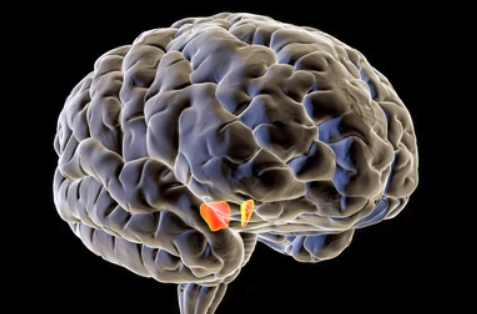
The Impact of Circadian Rhythms on Brain Health raises growing concern as new research connects disrupted daily patterns with structural changes in the brain. Scientists are paying closer attention to how sleep, wake cycles and routine timing may influence cognitive aging over time. What once seemed like a lifestyle detail now appears closely tied to […]
How broken sleep cycles harm your brain

Most people know that a bad night’s sleep leaves them feeling foggy the next morning. But new research suggests the consequences of consistently disrupted sleep rhythms go far deeper reaching into the brain itself and quietly accelerating structural changes linked to Alzheimer’s disease and cognitive decline. A study published in Alzheimer’s & Dementia: The Journal […]
Sleep and dementia are more connected than most people realize

Sleep does far more than rest the body. While you sleep, the brain runs a biological cleaning cycle, flushing out toxic proteins through a network of channels that only activates during rest. One of those proteins, amyloid beta, is closely associated with the progression of dementia. When sleep is chronically disrupted, that clearing process breaks […]
Dementia risk drops 25% with one daily habit change
More than 55 million people worldwide are living with dementia, and researchers still have no definitive cure. What they do have is a growing body of evidence pointing to lifestyle habits that meaningfully shift the odds. A study published in the journal PLOS One, which analyzed data from 69 separate studies involving adults aged 35 […]