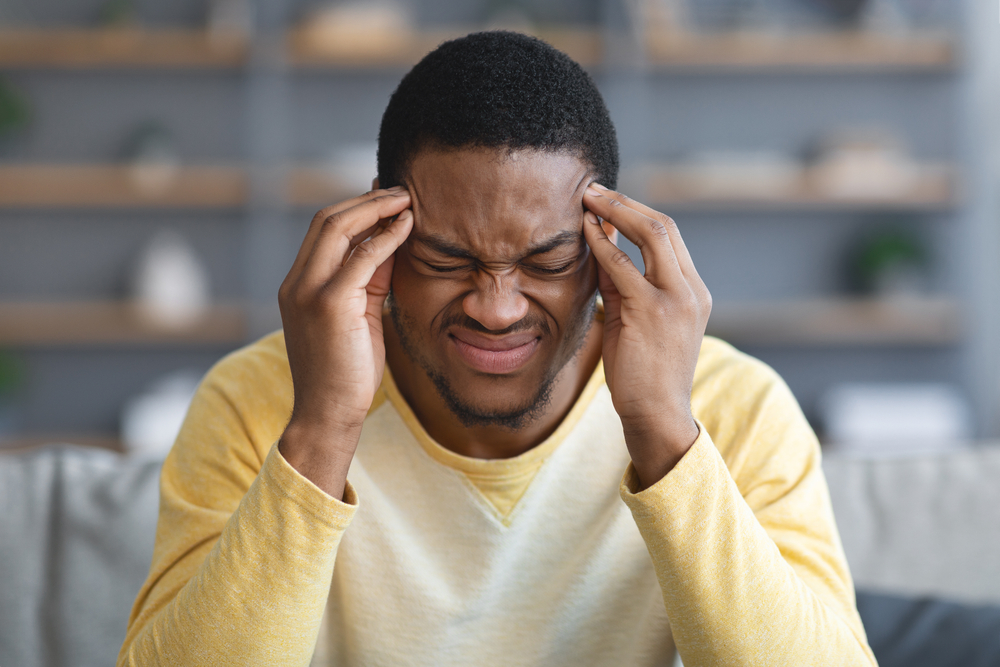
Roughly one in 13 people wake up with a headache on a regular basis. The pattern is more common in women than men and peaks among adults between 45 and 64. Despite how frequently it occurs, most people treat the morning pain as an inconvenience rather than a signal worth investigating.
The biology behind it is straightforward. As the brain transitions from sleep to wakefulness, it becomes more sensitive to changes in body position, sound and touch. The hypothalamus, which regulates both sleep cycles and pain perception, plays a central role. Disruptions during sleep can lower pain tolerance by morning, which means discomfort that went unnoticed overnight becomes apparent the moment a person wakes up.
The types of morning head pain worth knowing
Not all morning headaches feel the same or come from the same source. Migraines, which range from moderate to severe, frequently occur in the morning and have a well-documented relationship with poor sleep. Tension headaches produce a dull, steady ache on both sides of the head and often connect to stress, poor sleep posture or muscle tightness in the neck and shoulders. Cluster headaches are more severe and typically centered around one eye, sometimes waking people from sleep at a consistent time each day.
Hypnic headaches, sometimes called alarm clock headaches, are rare and occur only during sleep, typically surfacing in the early morning hours. Rebound headaches develop when pain relievers are used too frequently and can produce daily or early morning pain as a result. High blood pressure during sleep can trigger head pain upon waking, sometimes alongside dizziness or blurred vision.
Sleep disorders as a primary trigger
Sleep apnea is one of the most common and undertreated causes of waking head pain. In one study of people with obstructive sleep apnea, 29% reported regular morning discomfort of this kind. The interrupted breathing associated with the condition, along with the loud snoring it produces, appears to drive the connection. Treatment with a CPAP machine often reduces or eliminates the problem in people with sleep apnea.
Snoring without sleep apnea also carries risk. Among a study group of 268 frequent snorers, 23.5% regularly woke with head pain. People with a history of migraines, insomnia or psychological distress were more likely to fall into that group. Insomnia itself raises risk through simple sleep deprivation. Circadian rhythm disorders, which develop when the body’s sleep-wake cycle falls out of alignment with a standard 24-hour schedule, produce the same effect. Oversleeping creates its own version of the problem, as both low sleep quality and longer-than-usual sleep duration correlate with more intense pain upon waking.
Habits and conditions behind morning headaches
Dehydration is a frequently overlooked trigger. Going several hours without fluids during sleep reduces blood volume and lowers oxygen flow to the brain, which can register as pain or pressure by morning. The effect compounds when snoring, mouth breathing or alcohol consumption the night before accelerates fluid loss.
Alcohol disrupts sleep architecture, causing people to fall asleep faster but wake earlier with fragmented rest. It also promotes dehydration and can act as a direct migraine trigger. Caffeine withdrawal is another underappreciated cause. People who regularly consume coffee, tea or energy drinks and delay or skip their usual intake allow blood vessels to expand after caffeine’s narrowing effect wears off, producing a dull, throbbing sensation often accompanied by fatigue and difficulty concentrating.
Teeth grinding, known clinically as bruxism, places forceful strain on jaw muscles overnight. The tension it creates commonly radiates into the head by morning. A dentist can identify the problem and recommend a mouthguard, along with behavioral strategies for managing the stress and anxiety that frequently contribute to it.
Certain medications also produce morning head pain either as a direct side effect or through overnight withdrawal. Opioids, triptans, NSAIDs, aspirin, acetaminophen and some anti-anxiety medications all appear on that list. Taking additional pain medication to address the discomfort can deepen the cycle rather than break it.
What helps reduce recurring morning headaches
Addressing the underlying cause is the most direct path to relief. A consistent sleep schedule stabilizes the circadian rhythms that influence pain sensitivity. Staying hydrated throughout the day and drinking water before bed reduces the dehydration risk that builds overnight. Limiting alcohol and caffeine in the hours before sleep removes two common chemical triggers.
Sleep posture matters more than most people realize. A pillow that supports proper neck alignment reduces the muscle tension that feeds tension-related pain. Keeping the sleep environment dark, cool and quiet removes sensory disruptions that interfere with rest quality. People who experience worsening pain over time or notice accompanying symptoms such as vision changes, confusion or numbness should speak with a physician rather than continuing to manage the discomfort independently.